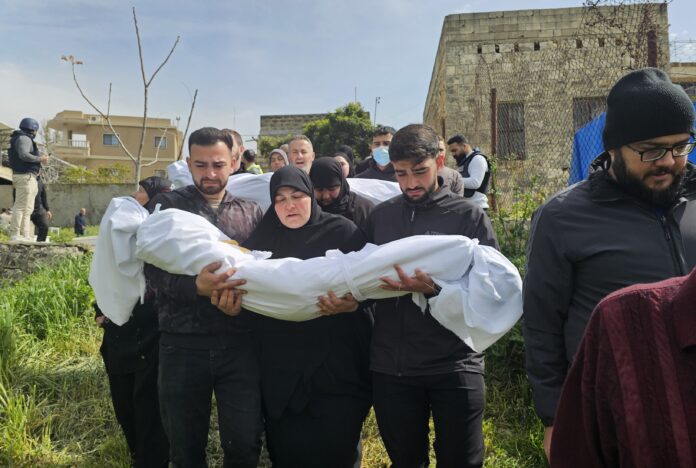
Fourteen people, including two children, were killed in overnight airstrikes by Israel on southern Lebanon as the intensifying attacks have now killed a total of 850 people in the country since March 2.
Violence in Lebanon has sharply intensified as Israeli strikes and Hezbollah attacks continue across the border, pulling the country deeper into a regional confrontation that began with Iran, Israel, and the United States.
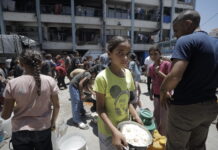
Cities in the south and parts of Beirut have faced repeated bombardment, while thousands of residents have fled their homes as the humanitarian situation worsens.
Health authorities report that over 850 people have been killed and 2,105 injured since March 2, while infrastructure and residential areas have been damaged by repeated strikes. Aid organisations and international officials warn that continued escalation could devastate large parts of the country and worsen an already fragile economic and political crisis.
Diplomatic pressure is building from several governments and international organisations are urging restraint to prevent further escalation.

Calls for negotiations and ceasefire talks have intensified as the violence expands and fears grow that Lebanon could become a focal point of the conflict in the broader Middle East.
International pressure
Subscribe to our newsletter and stay updated on the latest news and updates from around the Muslim world!
Spain strongly criticised the escalating violence and called the situation “unacceptable.” Spanish Foreign Minister Jose Manuel Albares said ordinary citizens in Lebanon were “victims of a war not of their making” as hostilities between Israel and Hezbollah continued to intensify.
Albares expressed support for Lebanese authorities, saying the government was doing “everything possible to ensure the safety of the population.” He emphasised that stability in the country depends on maintaining national sovereignty and strengthening state institutions.
He also warned that the continuation of attacks would only deepen instability across the region. According to Albares, “Lebanon’s sovereignty and territorial integrity are vital,” and “The Lebanese Armed Forces must be able to maintain the monopoly of force by the State.” He added that escalation “does not bring security, only more violence and suffering” and stressed that “for a future of security and stability, in Lebanon and in the region, Spain continues to work towards dialogue and negotiation.”
Human toll
The fighting has caused heavy civilian losses. Lebanese health authorities say more than 800 people have been killed and over 2,000 injured since early March as air strikes and cross-border attacks intensified.
Among the victims are women, children, and emergency workers. Medical officials reported that dozens of paramedics have died while responding to rescue missions during Israeli bombardments. In one strike on a health centre in the southern town of Burj Qalawiya, 12 doctors, paramedics, and nurses working at the facility were killed while on duty.
The growing humanitarian crisis has also forced massive displacement. United Nations officials estimate that more than 800,000 people have been forced from their homes as bombardments expanded across southern Lebanon and the suburbs of Beirut.
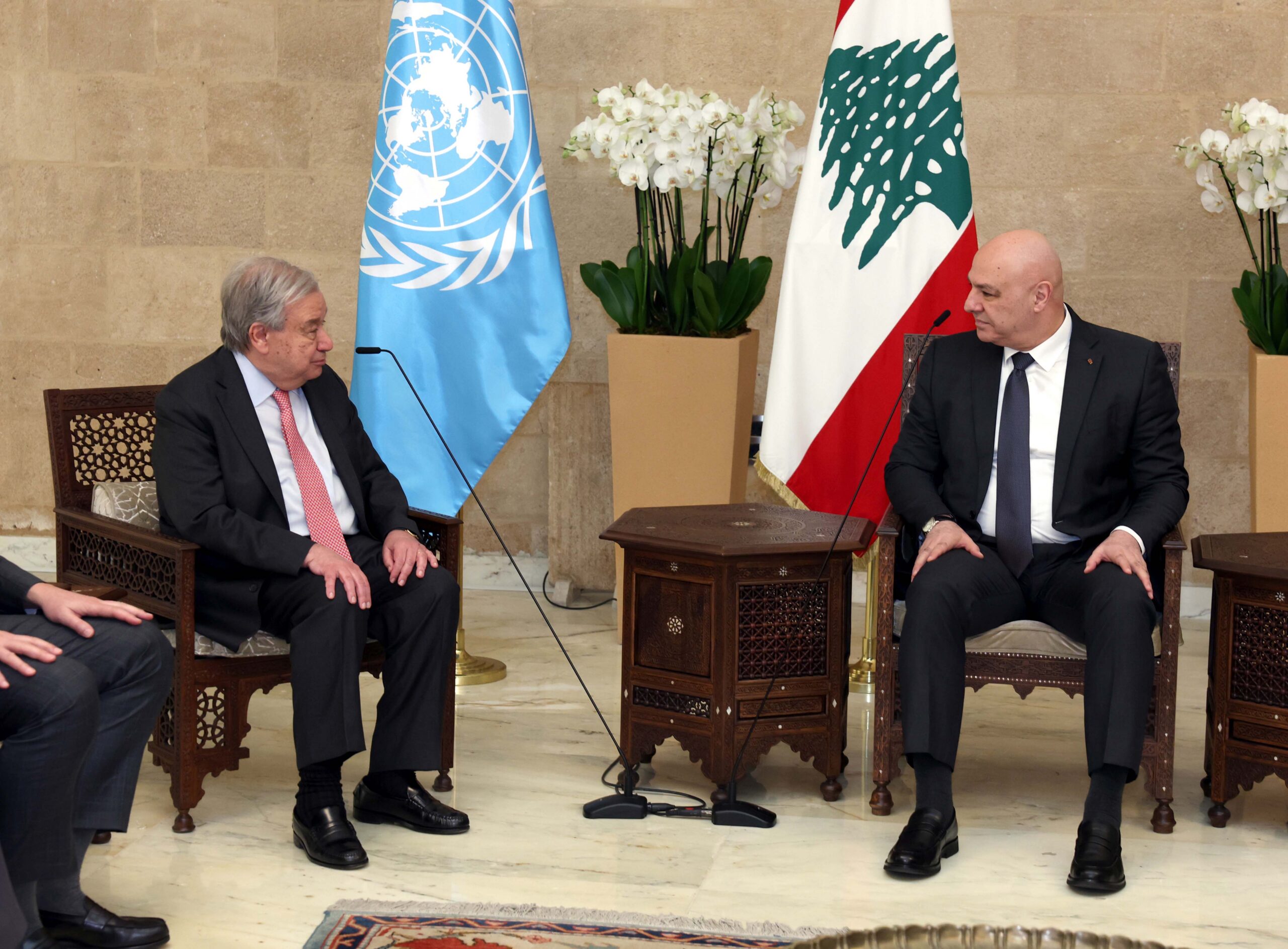
UN Secretary General Antonio Guterres warned that the situation could worsen dramatically if the violence continues. “The south [of Lebanon] risks becoming a wasteland. Southern Beirut, which is under sweeping evacuation orders by Israel, risks being bombed to oblivion,” he said. He added that “There is no military solution, only diplomacy.”
Diplomatic talks
Despite the violence, discussions about potential negotiations are beginning to emerge. Lebanese officials are reportedly preparing a delegation to explore possible talks with Israel in an effort to stop the fighting.
Sources indicate that the negotiating team could include representatives from different Lebanese political factions in order to present a unified national position. Possible venues for talks include Cyprus or a European capital.
Some Lebanese leaders insist that a ceasefire must come first before formal negotiations begin. The head of parliament, Nabih Berri, has reportedly demanded an immediate halt to hostilities before engaging in diplomatic discussions.
International leaders are also encouraging dialogue. French President Emmanuel Macron has offered to host negotiations and warned that urgent diplomacy is needed to avoid further instability. He cautioned that “everything must be done to prevent Lebanon from descending into chaos.”