The Canadian Muslim Public Affairs Council (CMPAC) has released a comprehensive new policy handbook calling for sweeping reforms to tackle Islamophobia across Canada, coinciding with the anniversary of the 2021 far-right terrorist attack that claimed the lives of four members of the Afzaal family in London, Ontario.
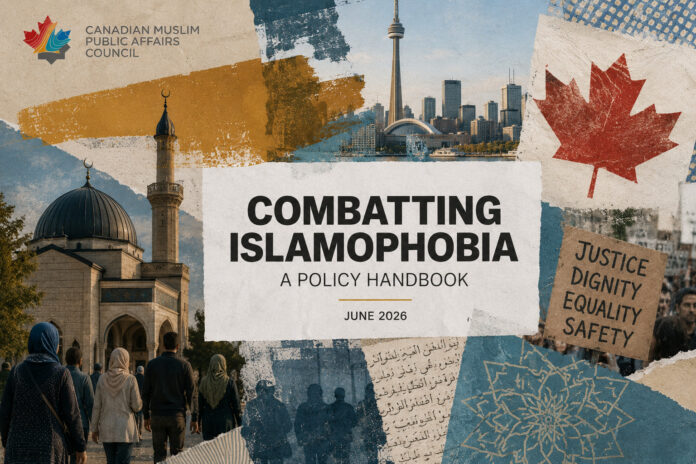
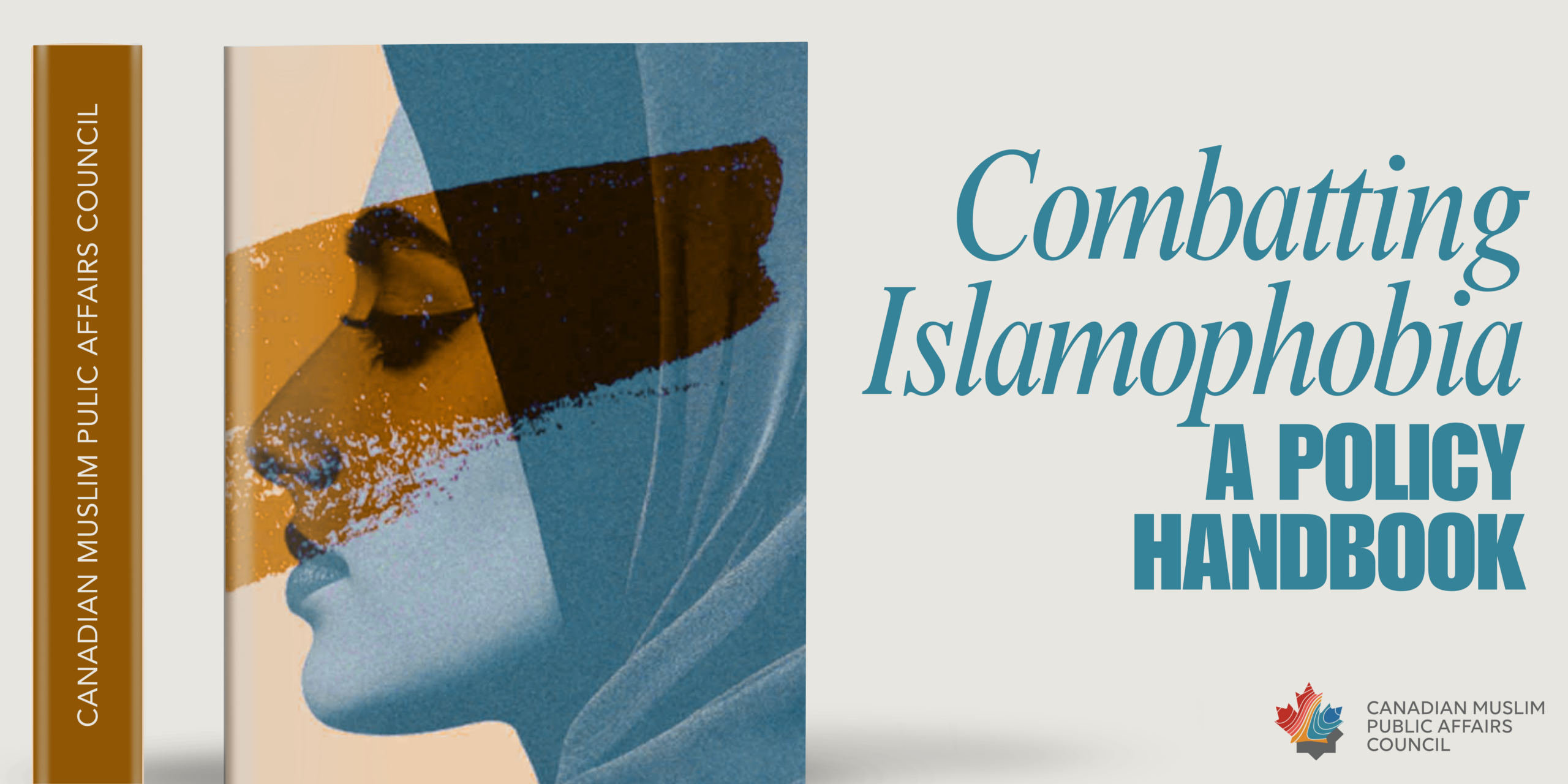
The publication, Combatting Islamophobia: A Policy Handbook, was launched on June 6 in remembrance of the victims of what remains one of the most devastating anti-Muslim attacks in Canadian history.
CMPAC says the handbook is intended both as a tribute to the family and as a roadmap for governments seeking to address what it describes as the systemic and institutional roots of Islamophobia in Canada.
The 30-page document draws together findings from several recent parliamentary and governmental reports, while advancing a series of recommendations aimed at strengthening protections for Muslim communities, reforming public institutions and improving accountability across government.
In its introduction, CMPAC states that the attack on the Afzaal family “was not an isolated tragedy” but rather exposed a reality that Muslim Canadians had warned about for years: that Islamophobia remains deeply embedded within Canadian society and institutions.

Remembering the Afzaal Family
On the evening of June 6, 2021, members of the Afzaal family were out for a walk in London, Ontario when they were deliberately targeted by a man who drove his vehicle into them.
Subscribe to our newsletter and stay updated on the latest news and updates from around the Muslim world!
Four family members were killed: Salman Afzaal, 46; his wife Madiha Salman, 44; their 15-year-old daughter Yumna Afzaal; and Salman’s 74-year-old mother Talat Afzaal. The couple’s nine-year-old son was seriously injured but survived.

Canadian authorities later determined that the attack was motivated by hatred against Muslims and constituted an act of terrorism.
The killings sent shockwaves through Muslim communities across Canada and around the world. Vigils were held across the country, political leaders condemned the attack, and renewed attention was placed on the growing threat posed by anti-Muslim hatred and far-right extremism.
For many Canadian Muslims, however, the tragedy also highlighted longstanding concerns about institutional complacency in the face of rising Islamophobia.
CMPAC notes that Canada continues to record the highest number of targeted killings of Muslims among G7 countries, underscoring the need for a more robust and coordinated response from government.
Islamophobia beyond
A central argument advanced by the handbook is that Islamophobia cannot be understood solely through the lens of hate crimes or individual acts of prejudice.
Drawing on reports produced by the Standing Senate Committee on Human Rights, the Office of the Special Representative on Combatting Islamophobia, and the House of Commons Standing Committee on Justice and Human Rights, CMPAC argues that anti-Muslim discrimination is often reproduced through laws, policies, administrative practices and institutional structures.
The handbook highlights concerns raised in recent governmental studies regarding national security frameworks, border screening procedures, immigration enforcement, charitable oversight mechanisms and workplace discrimination.
According to CMPAC, Muslims in Canada continue to face disproportionate scrutiny through security-based approaches that frequently associate Muslim identity with potential risk or extremism.
The report also points to recurring concerns surrounding the Canada Border Services Agency (CBSA), including allegations of profiling, heightened screening and unequal treatment of Muslim travellers. Recent incidents involving Muslim speakers invited to attend national Islamic conferences have further fuelled concerns regarding immigration enforcement practices and ideological discrimination.
Another area highlighted in the handbook is the treatment of Muslim charities.
CMPAC cites findings from parliamentary studies indicating that Muslim-led organisations have been subjected to disproportionate levels of audits and compliance reviews. The handbook argues that greater transparency and accountability are required to ensure that regulatory frameworks do not unfairly burden Muslim institutions.
Protecting mosques and community institutions
Among the most significant recommendations contained within the handbook is the creation of a comprehensive national strategy to combat Islamophobia.
CMPAC is urging the federal government to establish a “whole-of-government” framework that would coordinate efforts across departments responsible for public safety, justice, immigration, education and community development.
The proposed strategy would include regular national assessments examining the nature and scale of Islamophobia, improved collection of hate crime data, stronger accountability mechanisms and enhanced cooperation between federal, provincial and municipal authorities.
The organisation argues that while Canada has produced numerous reports documenting anti-Muslim discrimination, implementation has often lagged behind recommendations.

“Muslim communities should not be forced to continually endure discrimination, unequal treatment, or threats to their safety while governments respond with insufficient action and delayed reform,” the handbook states.
The handbook places particular emphasis on the protection of Muslim institutions and community spaces.
CMPAC is calling for the establishment of a permanent federal fund dedicated specifically to Muslim community security. The proposed programme would support physical security upgrades for mosques, Islamic schools and community centres, including surveillance systems, reinforced entry points, improved lighting and emergency preparedness infrastructure.
The organisation also recommends significantly expanding existing security funding programmes and allocating at least $40 million to support protective measures for Muslim institutions across Canada.
The proposal comes amid growing concerns about threats directed at mosques and Islamic centres, particularly during periods of heightened international tensions or increased online hate activity.
CMPAC further advocates the creation of formal partnerships between Muslim organisations, law enforcement agencies and local authorities, with designated liaison officers and rapid-response mechanisms to address threats against Muslim communities.
A call for accountability
Throughout the document, a recurring theme is accountability.
CMPAC argues that meaningful progress requires more than symbolic gestures or public condemnations following acts of anti-Muslim violence. Instead, it calls for sustained institutional reform, greater transparency in government decision-making and stronger mechanisms to identify and address discriminatory outcomes.
The handbook repeatedly emphasises that Islamophobia should be understood not only as a matter of individual prejudice but also as a question of governance, public policy and institutional responsibility.
By launching the handbook on the anniversary of the Afzaal family attack, CMPAC hopes to ensure that the lessons of 6 June 2021 are not forgotten.
Four years after the London terrorist attack, many Muslim Canadians continue to view the tragedy as a painful reminder of the consequences of unchecked hatred. For CMPAC, honouring the memory of the Afzaal family requires more than remembrance alone.
As anti-Muslim incidents continue to be reported across Canada and concerns persist regarding discrimination within public institutions, the organisation is urging policymakers to move beyond recognition of the problem and towards implementing concrete reforms capable of protecting Muslim communities and addressing the deeper structures that allow Islamophobia to endure.
The release of the handbook represents the latest effort by Muslim civil society organisations to push for that change – and a reminder that the demand for justice, accountability and safety remains as urgent today as it was on the night the Afzaal family was taken from their loved ones.