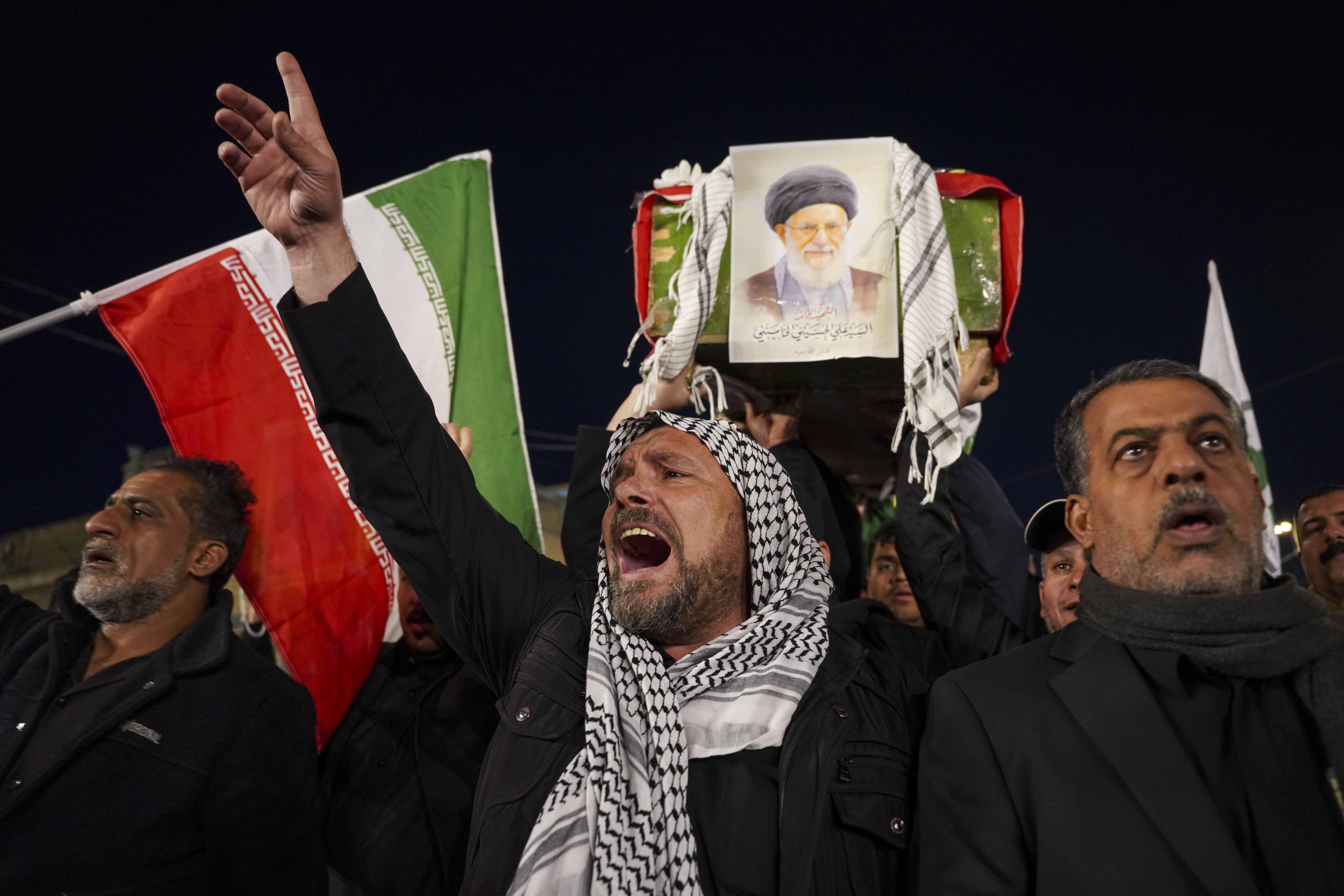
A prominent Shia Muslim cleric in Iran has declared jihad against the US and Israel, after the shock assassination of Iran’s Leader Ayatollah Seyyed Ali Khamenei, saying that “avenging the blood of the martyred Leader” is a religious duty for Shi’ites worldwide.
The fatwa was issued by Grand Ayatollah Naser Makarem Shirazi shortly after Khamenei’s death on February 28 when the US and Israel launched joint strikes on sites across the Islamic Republic.
Grand Ayatollah Shirazi, 99, is considered a highly revered scholar in Iran and commands respect across the Shia world.
The fatwa has sparked alarm across the Western world with countries in Europe expressing concern over possible lone wolf attacks or by threats posed by so-called Iranian sleeper cells.
State media reported that Makarem Shirazi described retribution for Khamenei’s death as a “religious duty”, urging Muslims to “eradicate the evil of these criminals from the world.”
According to Mehr News Agency, Makarem Shirazi declared that jihad against the United States and Israel was required, stating that “avenging the blood of the martyred leader is a religious duty for Muslims around the world.”

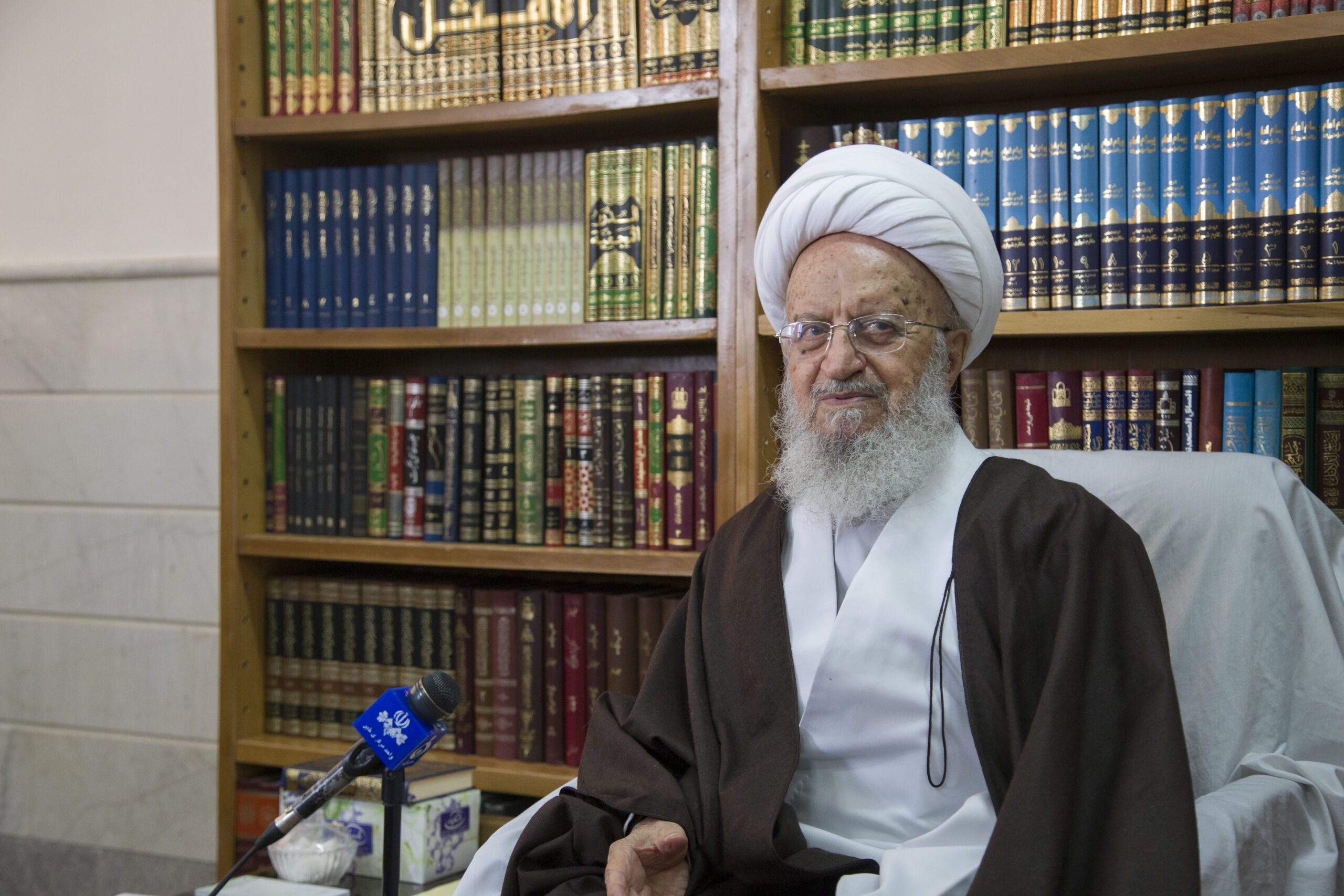
Another senior figure, Ayatollah Nouri Hamedani, issued his own fatwa demanding that Muslims “avenge the blood” of the fallen leader.
Revenge fatwas or calls for jihad from Iran have been used in the past. The founder of the Islamic Republic of Iran, Grand Ayatollah Ruhollah Khomeini, issued a fatwa in 1988 against “unrepentant” opponents to the regime, which led to a round of arrests and executions.
Subscribe to our newsletter and stay updated on the latest news and updates from around the Muslim world!
Another more famous fatwa by Khomeini against writer Salman Rushdie in 1989 led to global protests, violent attacks on his translators and publishers, including the shooting of Norwegian publishing company CEO William Nygaard, and a 2022 knife attack on Rushdie himself, who suffered serious health consequences and lost an eye as a result.
Since the US and Israel started this latest war on Iran by killing Ayatollah Khamenei, Shia Muslims have engaged in protests, some turning violent in countries such as Pakistan, India, Kashmir, Iraq and Bahrain.
At least 10 people have been killed and more than 70 others wounded near a United States consulate in the Pakistani city of Karachi on March 1.
Elsewhere, Iraq’s top Shia Muslim cleric, Grand Ayatollah Ali al-Sistani, issued his own statement urged Iranians to remain united as the government announced a mourning period for Khamenei.
Ayatollah Sistani also condemned the aggression on Iran, demanding for the cessation of all hostilities.
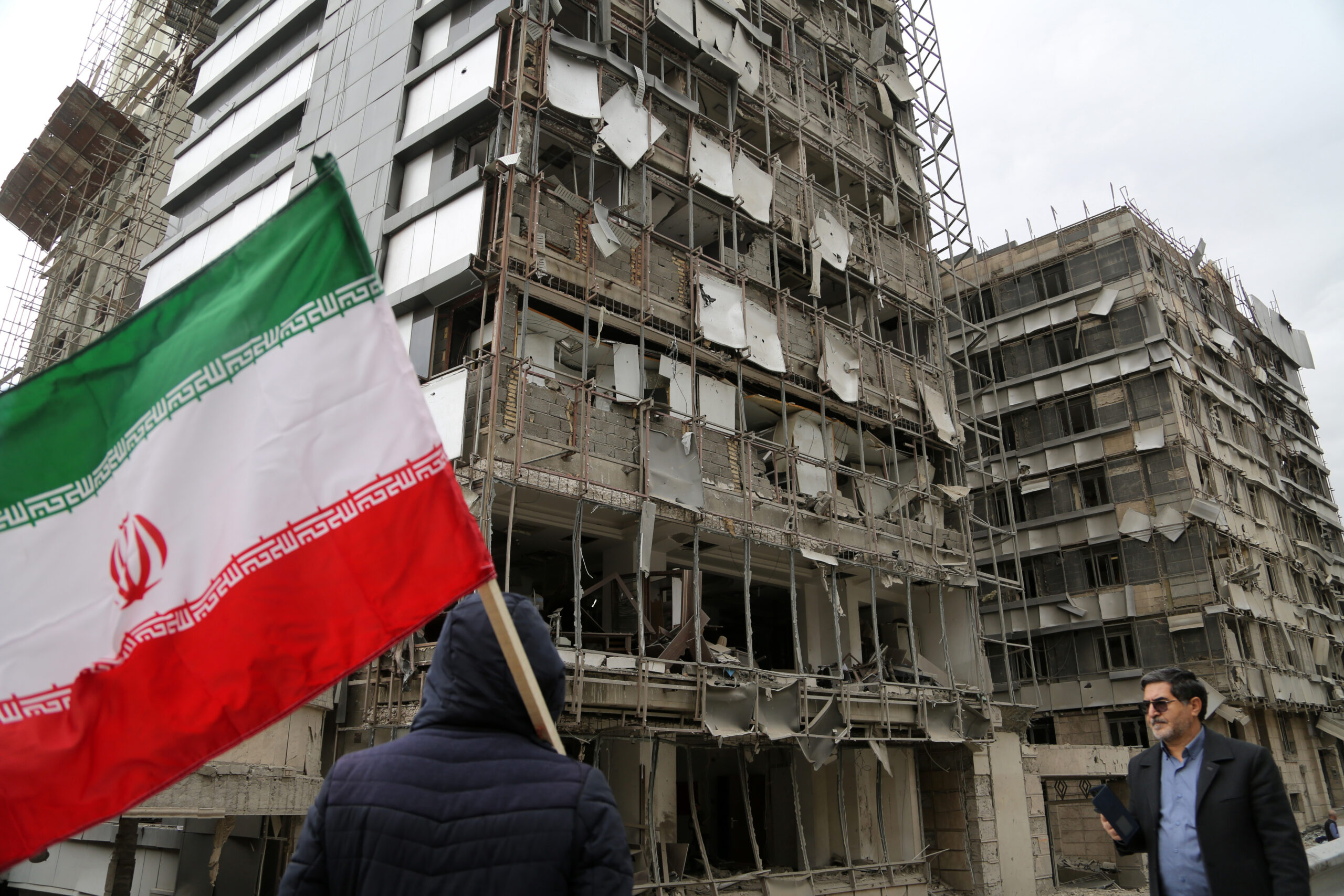
“The unilateral decision — taken outside the framework of the United Nations Security Council — to launch a full-scale war against a United Nations member state in order to impose specific conditions or overthrow its political system, in addition to constituting a violation of international conventions, is an extremely dangerous step with grave regional and international consequences. Such a war is expected to unleash widespread chaos and prolonged instability, inflict immense suffering on the peoples of the region, and harm the interests of others as well.
“Therefore, the Supreme Religious Authority strongly condemns this unjust war and calls upon all Muslims and freedom-loving people around the world to denounce it and express solidarity with the oppressed people of Iran. It once again urges all international actors and nations — especially Islamic countries — to exert every possible effort to immediately halt the war and to seek a just and peaceful resolution to Iran’s nuclear issue in accordance with the principles of international law.”
Ayatollah Sistani, who ranks as the Shia world’s most supreme and popular religious leader, has remained more cautious and avoided openly condoning violence or declaring jihad himself.
A fatwa from Sistani calling for armed mobilisation or a jihad would set off a massive reaction which could see tens of thousands of Shi’ite take up arms and fight in Iraq alone.
A call to arms by Sistani in 2014 led to the start of a major Iraqi fightback against ISIS which had succeeded in capturing huge parts of northern Iraq at the height of the groups power during the Syrian civil war.
Shia clerics have also played a role in fighting US forces during the occupation of Iraq after Saddam Hussein was toppled from power during the peak of the US-led war on terror.