



A small Israeli food chain with four restaurants across Belgium has closed down and filed for bankruptcy after a long period of “harassment” sparked by Israel’s genocide in Gaza.
Boker Tov had four restaurants across Antwerp at its height, even producing a popular cookbook on “Israeli cuisine,” but the Israeli restaurant is one of many across Europe that have had to close their doors following boycott campaigns that started following October 7 2023.
Last week, Israeli outlet Haaretz reported that another Israeli-owned restaurant named “Tantura” in Lisbon, Portugal, had closed its doors after what it claims was nearly a decade of “harassment and vandalism,” worsening in the wake of Israel’s genocide in Gaza.
Belgian street food chain Boker Tov was performing seemingly well just two years ago, according to its two owners, Tom Sas and Lordi Dardikman. The first restaurant was opened in 2020 with a vision of creating “a culinary love story from Tel Aviv”.
Boker Tov describes itself as “a Levantine deli, bar & restaurant that brings delicious food and drinks to Antwerp” including both Arabic and Hebrew writing on their website logos.

The sign outside the restaurant read: “We are open for coffee, food, hummus and love.”
Israeli establishments targeted
Subscribe to our newsletter and stay updated on the latest news and updates from around the Muslim world!
Despite the positive start that Boker Tov experienced, co-owner Sas gave an interview to Antwerp-based newspaper HLN in October last year, where he complained of “aggression” that the restaurant was experiencing due to public opinion on Israel shifting.
“It started with middle fingers and bad Google reviews, but at one point we were getting 1,000 hate messages per hour and even death threats,” Sas said, who describes himself on social media as “Your Favourite Goy.”
Sales and visitors to the restaurant dropped, despite a supportive visit from Prime Minister Bart De Wever at the end of September last year.
The owners reported contemplating changing the interior and the name of their restaurants, as they deemed the association with Tel Aviv “too controversial”.
“Staff and customers were shouted at, graffiti was written on the floors, stickers [with Netanyahu’s face] were slapped on each table and chair. We have calls online to boycott us,” Sas said in a TV interview with VRT News.
“We tried to focus on our story of connectivity, inclusivity, tasty food, and to stay away from all the political discussion. We are simply a restaurant, but I think that financially, emotionally and physically, I’ve never been in such a low place. I think I have reached rock bottom,” Sas said.

Addressing the closure, in a post on social media on Thursday, the co-owning couple wrote: “We’re fine!… Thanks for asking and thank you for the massive support! Today is not the end of our love story… we’ll just start writing a new chapter!”
Israeli cuisine and cultural appropriation
Israeli cuisine has long been at the centre of controversy, as many countries that used to have large Jewish populations prior to the establishment of Israel, whether from Morocco, Palestine, Iraq, Yemen and elsewhere, have accused Israelis of cultural appropriation.
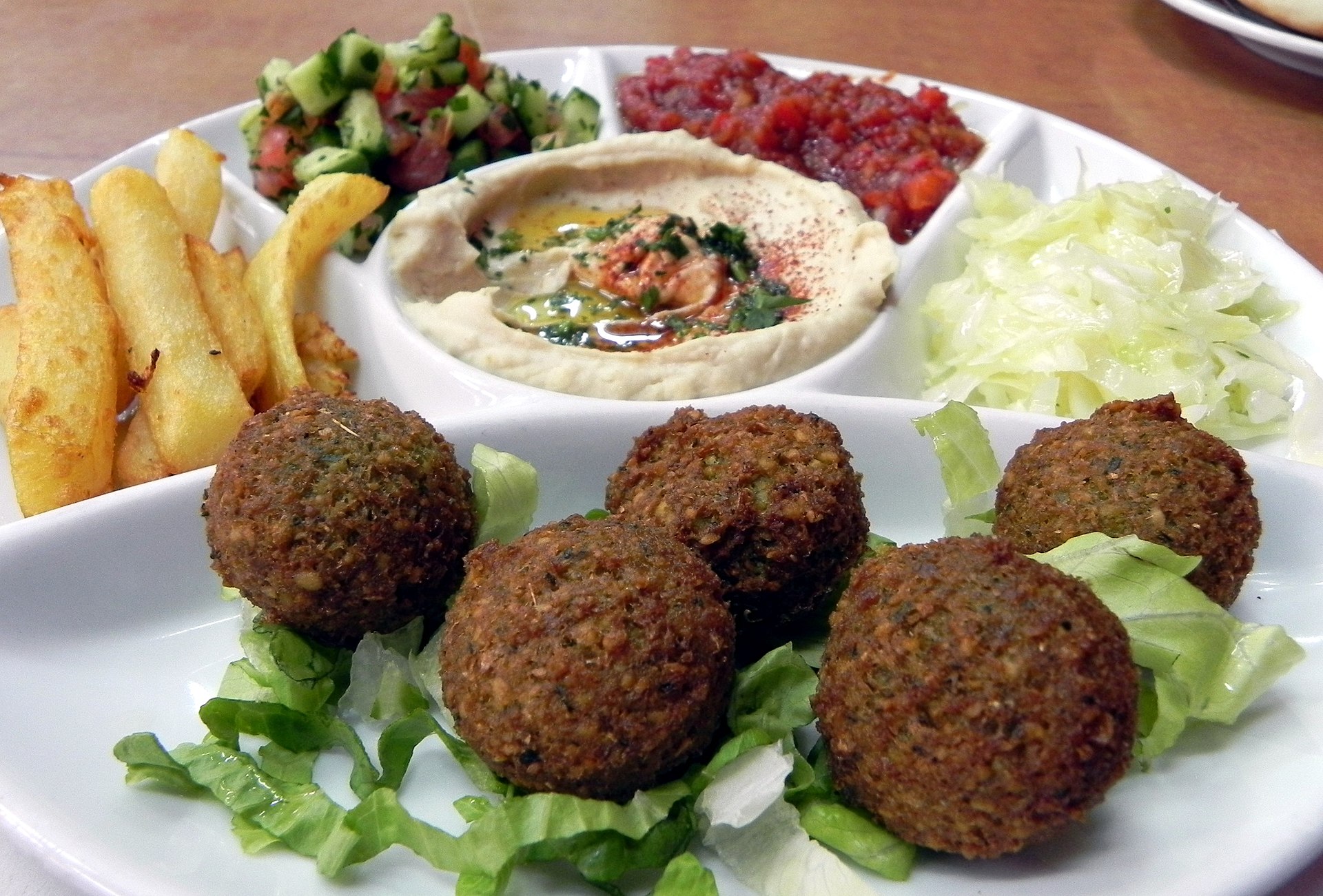
The strongest critics of Israeli food cultural appropriation come from Palestinians, who claim that Israelis are passing off food such as falafel, hummus and shawarma as their own, thereby adding to the systematic repression of Palestinian identity and all the heritage it carries, including food.
Israeli food was very popular up until a few years ago, with famous chefs such as Yotam Ottolenghi authoring cookbooks that were massive bestsellers.
Prime restaurants were popping up in some of the most coveted locations across the US and Europe, but the genocide in Gaza led to many boycott campaigns against those with ties to Israel, which has harmed the Israeli food industry abroad.