




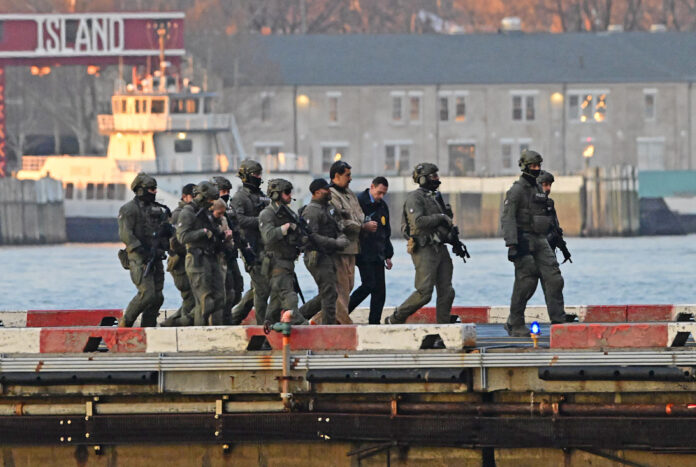
The United States has intervened militarily, covertly or politically in up to 25 Latin American countries since the late nineteenth century in efforts to overthrow, destabilise or change governments. Here’s a breakdown.
Last week’s U.S. strikes in Venezuela has put attention on a pattern that has stretched across nearly two centuries.
U.S. policy toward the Americas traces back to the Monroe Doctrine of 1823, when President James Monroe warned European powers against further colonial involvement in the Western Hemisphere. Over time, that doctrine became a justification repeatedly cited by later presidents to defend intervention throughout the region.
Countries commonly cited by historians as having experienced U.S. invasion, coup backing, or regime-change operations include Mexico, Guatemala, Honduras, El Salvador, Nicaragua, Costa Rica, Panama, Cuba, the Dominican Republic, Haiti, Venezuela, Colombia, Bolivia, Chile, Argentina, Brazil, Uruguay, Paraguay, Peru, Ecuador, Grenada, Jamaica, and Guyana. Some accounts also include Suriname and Belize in cases of indirect intervention.
Scholars generally include several forms of intervention when making these assessments, such as direct military invasions, CIA-backed coups, support for military dictatorships, election interference, economic warfare aimed at regime change, and paramilitary or proxy wars.
Well-documented examples often cited include the CIA-backed coup in Guatemala in 1954, U.S. involvement in destabilisation and the coup in Chile in 1973, the Bay of Pigs invasion and long-term regime-change policy toward Cuba, the Contra war in Nicaragua, the full U.S. military invasion of Panama in 1989, and the invasion of Grenada in 1983.
Central America
Subscribe to our newsletter and stay updated on the latest news and updates from around the Muslim world!
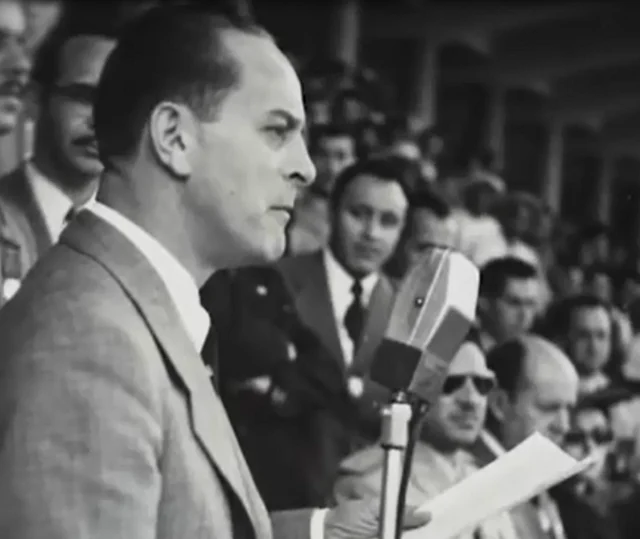
In Guatemala, the U.S. played a decisive role in the 1954 overthrow of democratically elected President Jacobo Arbenz Guzmán. His land reform policies, which affected U.S.-owned companies, alarmed Washington during the Cold War.
Under President Dwight Eisenhower, the CIA organised and supported a coup that removed Arbenz and installed a military-backed government led by Carlos Castillo Armas. The consequences were long-lasting, as Guatemala descended into a civil war that lasted more than three decades and left hundreds of thousands dead or missing.
Nicaragua and Honduras also experienced sustained U.S. involvement. Nicaragua saw repeated U.S. troop deployments between the mid-19th century and the 1930s, followed by decades of support for the Somoza family dictatorship. In Honduras, early 20th century interventions often aimed to protect American agricultural companies, weakening civilian governance while strengthening military control.
Caribbean Region
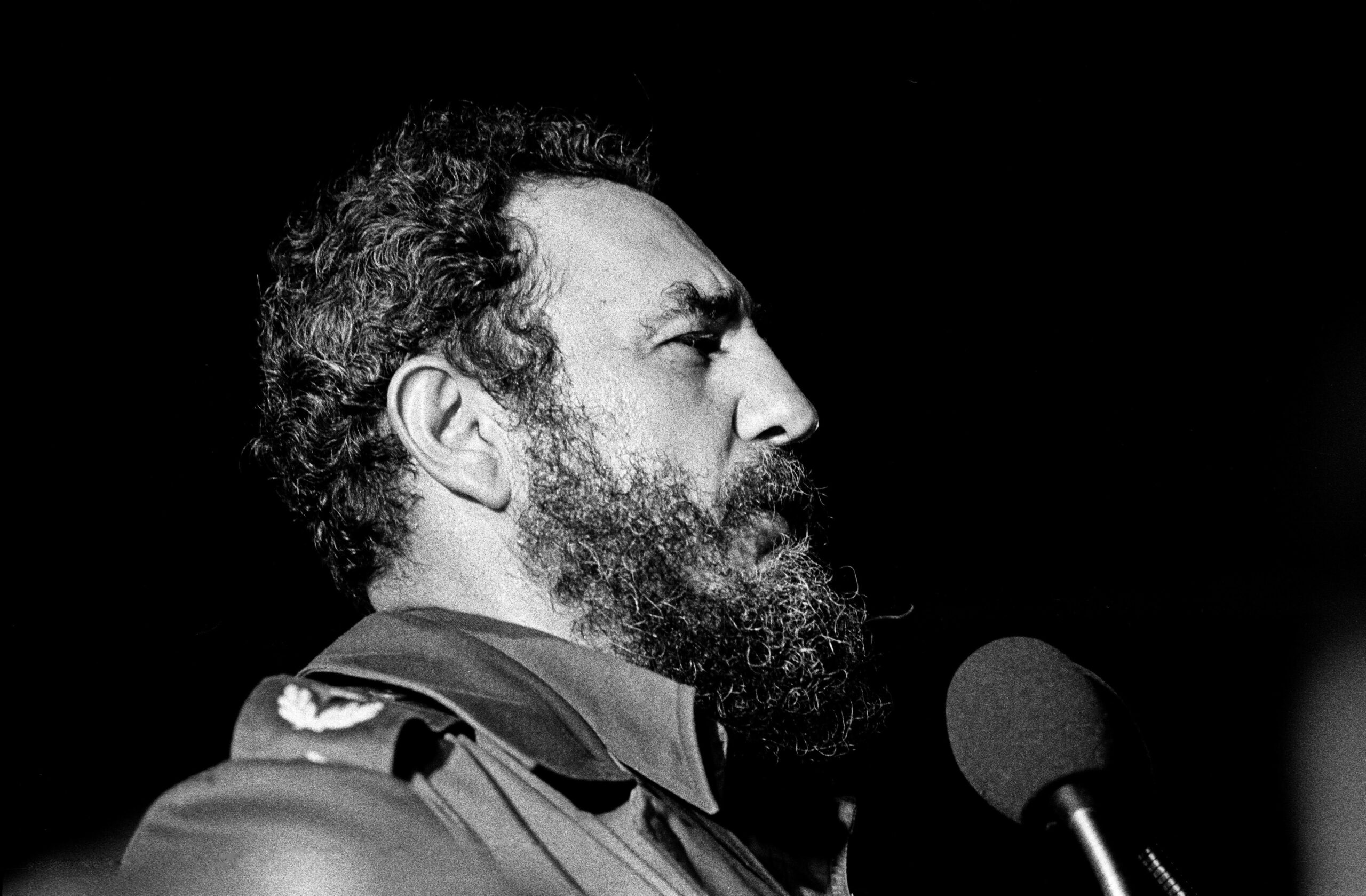
Cuba remains one of the most prominent examples of Cold War confrontation. After Fidel Castro overthrew Fulgencio Batista in 1959, relations with Washington deteriorated rapidly.
In 1961, the U.S. backed an invasion by Cuban exiles at the Bay of Pigs in an attempt to overthrow Castro. The covert operation failed, reinforcing Cuba’s alignment with the Soviet Union and cementing decades of hostility between Washington and Havana.
Haiti’s history includes multiple U.S. invasions, most notably an occupation from 1915 to 1934. In 1915, President Woodrow Wilson sent marines into the country “to restore order and maintain political and economic stability in the Caribbean.” Later interventions followed, including the 1994 “Operation Uphold Democracy” mission to reinstate President Jean-Bertrand Aristide after a military coup.
South America
U.S. involvement in South America relied less on direct occupation and more on covert operations, diplomatic pressure and support for allied military regimes, particularly during the Cold War.
During the 1970s, U.S-backed military governments in Chile, Argentina, Uruguay, Brazil, Bolivia and Paraguay coordinated repression through Operation Condor, targeting political opponents across borders.
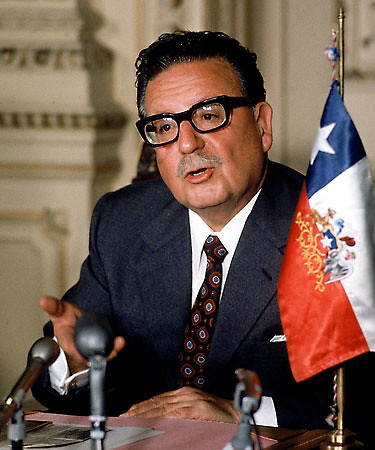
In Chile, the U.S. carried out covert actions to destabilise President Salvador Allende’s government between 1970 and 1973. According to the U.S. State Department historian’s office, Washington had a “long history of engaging in covert actions in Chile,” including funding electoral candidates, running propaganda campaigns and discussing support for a military coup that eventually brought Augusto Pinochet to power.