


Iran is facing its most expansive unrest in years as protests driven by economic collapse, and encouraged by Western and Israeli media and politicians, spread nationwide.
Demonstrations, now entering their second week, have reached hundreds of cities and towns.
The unrest comes after the 12-day war launched by Israel in June, during which the United States bombed Iranian nuclear sites. That conflict, combined with the reimposition of United Nations sanctions in September over Iran’s nuclear program, has sharply intensified economic pressure on ordinary Iranians.
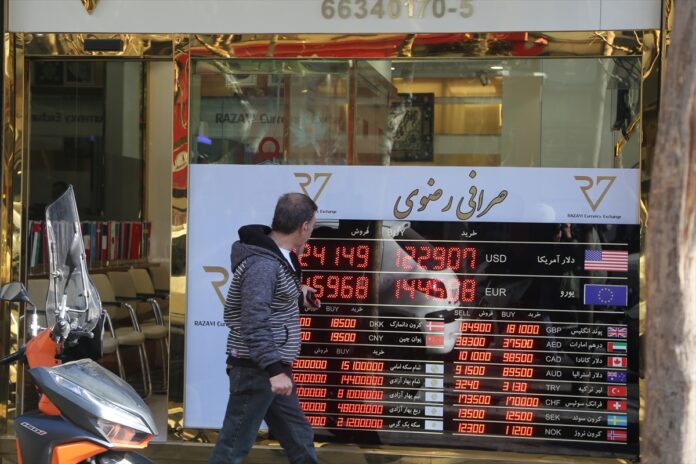
The national currency has collapsed, with the rial now trading at roughly 1.4 million to the dollar, eroding purchasing power and fueling widespread anger.
Economic hardship has become the central driver of the protests. Inflation, job insecurity, market volatility and declining living standards have pushed citizens from diverse backgrounds into the streets.

Protest scale
The scope of the protests has been difficult to verify due to heavy restrictions on reporting inside Iran, but independent monitoring groups indicate a wide geographic spread.
Subscribe to our newsletter and stay updated on the latest news and updates from around the Muslim world!
Demonstrations have taken multiple forms, including street protests, labour strikes and university-led actions. At least 17 universities have reportedly been involved, underscoring the role of students alongside workers and other social groups.
Protesters have gathered not only in major urban centers but also in smaller towns, suggesting grievances that cut across regional and class lines.
Information from inside Iran remains limited. State media has offered minimal coverage, while online videos provide only brief and often unclear glimpses of crowds, chants or gunfire. Journalists face travel restrictions and the risk of arrest, making independent verification difficult.
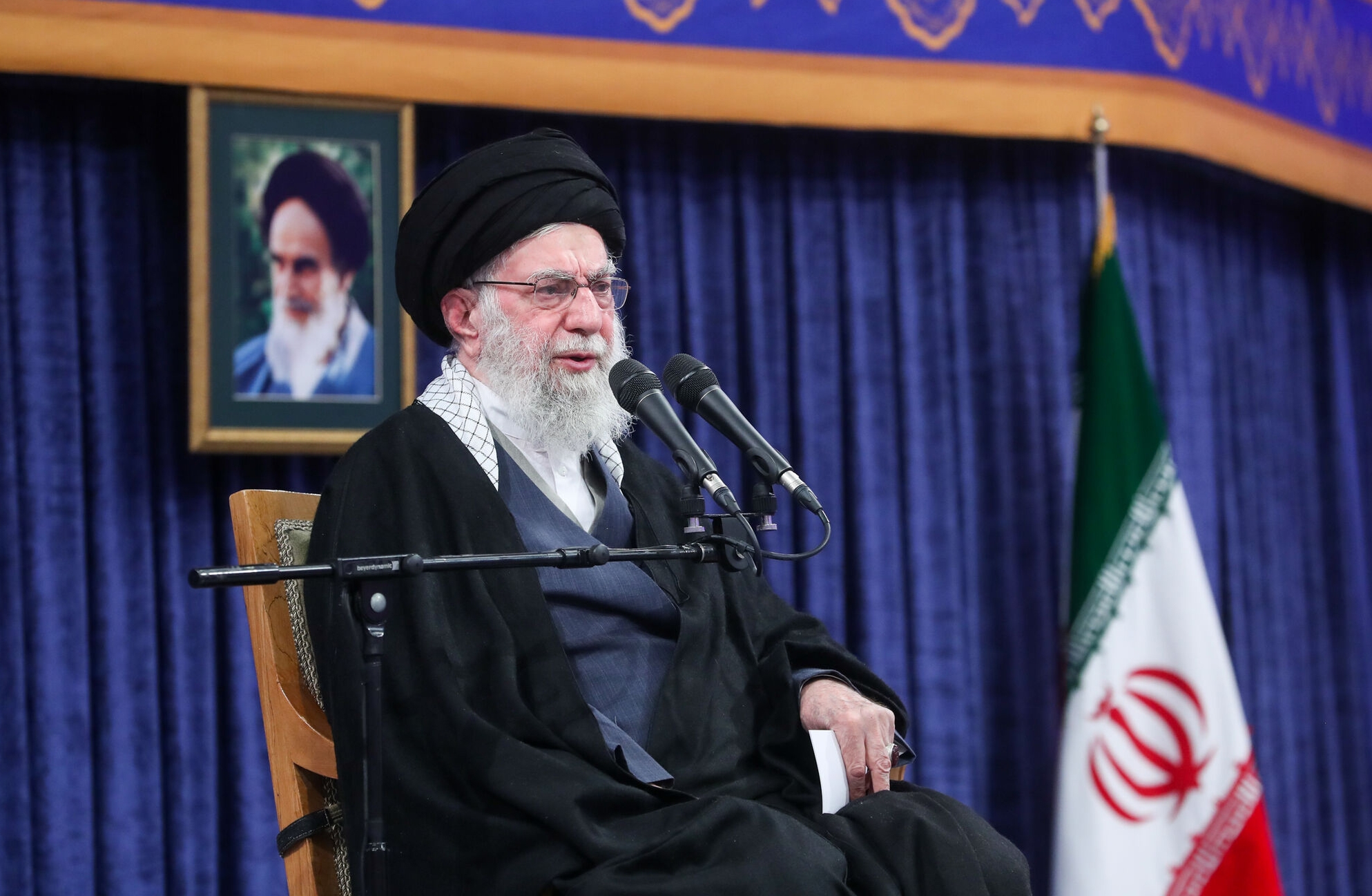
Despite these obstacles, reports suggest protests have continued even after Supreme Leader Ayatollah Ali Khamenei warned that “rioters must be put in their place.”
Security response
Iranian authorities have responded with a security crackdown aimed at suppressing the demonstrations. Anadolu Agency reported that at least 51 people have been injured, many by pellets or plastic bullets fired by security forces. Those killed include students, laborers and other civilians ranging in age from 16 to 45.
Police Chief Ahmadreza Radan said “targeted arrests of protest leaders” had begun, accusing detainees of incitement and receiving foreign currency.
Mass detentions have been reported in cities including Yazd, Isfahan, Kermanshah, Shiraz and Behbahan, with many detainees transferred to local prisons.
Among those detained are students, civil society activists and more than a dozen minors aged between 15 and 17.
Some arrests were reportedly linked to social media activity, while others occurred during clashes in the streets.
International reaction
The European Union’s External Action Service expressed alarm over “reports of deaths and injuries,” urging Iranian authorities to “exercise maximum restraint” and engage with public grievances through dialogue.
In the United States, President Donald Trump warned Iran that if it “violently kills peaceful protesters” the United States “will come to their rescue.” He later said, “We’re watching it very closely.”
He added, “If they start killing people like they have in the past, I think they’re going to get hit very hard by the United States.”
The remarks gained added weight following the capture of Venezuelan President Nicolás Maduro, a longtime ally of Tehran, by U.S. forces.