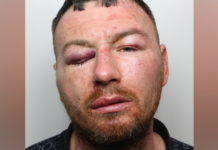




The British government has issued an apology and paid £225,000 in libel damages to a prominent Muslim community leader after false accusations of being involved in war crimes during Bangladesh’s 1971 War of Independence.
Chowdhury Mueen-Uddin, who has lived in the UK since 1973 and been a British citizen since 1984, was falsely accused of being involved in war crimes during Bangladesh’s 1971 War of Independence.
The payout of £225,000 is believed to be the largest libel payment ever made by a British government department to one of its citizens, the law firm Carter-Ruck stated.
In a rare and high-profile public apology delivered at the High Court in London on 25 November, the Home Secretary and the Home Office admitted to having published unsubstantiated and defamatory allegations against Mueen-Uddin in an official government report.
The original false allegations

The false allegations were included in a 2019 publication titled “Challenging Hateful Extremism”, issued by the Commission for Countering Extremism, a non-statutory body operating under the Home Office.
The report referenced a 2013 conviction in absentia issued by Bangladesh’s widely condemned International Crimes Tribunal (ICT), claiming Mueen-Uddin had committed war crimes and crimes against humanity.
Subscribe to our newsletter and stay updated on the latest news and updates from around the Muslim world!
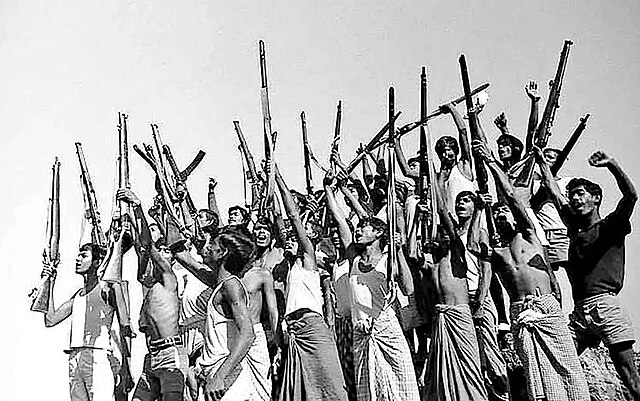
The Supreme Court, in a unanimous judgment in 2024, declared that the UK government had no basis to make such claims, given that the Bangladeshi tribunal failed to meet even the most basic standards of a fair trial.
Mueen-Uddin had never been given the chance to defend himself, and international observers described the proceedings as politically motivated and devoid of fair justice procedures.
A press release by the lawyers of Mueen-Uddin cited the judgment of the President of the Supreme Court. Judging in Mr Mueen-Uddin’s favour in 2024, the Supreme Court said: “It is difficult to imagine a graver allegation than guilt of war crimes and crimes against humanity”, and that “the allegation is especially grave when it is made by the government of this country against one of its own citizens”.
Apology delayed
Despite initial demands for redress in 2019, the Home Office refused to apologise and attempted to have the claim struck out, dragging the matter through nearly six years of litigation.
It was only after the Supreme Court’s decisive ruling that the government issued an unqualified offer of amends and removed the allegations from its official platforms.
In open court, the Home Office acknowledged the distress caused not only by the publication but also by the prolonged legal battle. The government also agreed to pay all legal costs incurred by Mueen-Uddin in the process.
The case has raised concerns about state-led defamation, Islamophobia in counter-extremism policy, and the accountability of government institutions when publishing unverified allegations.
Mueen-Uddin’s reaction
Speaking after the hearing, Mr Mueen-Uddin said:
“I am delighted by this outcome. I had hoped that, faced with my clear position that these allegations against me were completely untrue, and with the fact that the Tribunal which had resulted in my ‘conviction’ in 2013 was wholly discredited and universally condemned, the then Home Secretary and Home Office would quickly recognise its error and apologise.”
“It has been at times a dispiriting and distressing journey for me on the road to securing justice in this matter. However, I am very pleased that my trust in the English legal and court system, and indeed in the government which presides over all of us in this country, which I am proud to call my home, has been vindicated.”
The tribunal, which convicted Mueen-Uddin in absentia in 2013, was widely criticised by human rights organisations for failing to meet international legal standards and for being used as a political tool to suppress opposition.
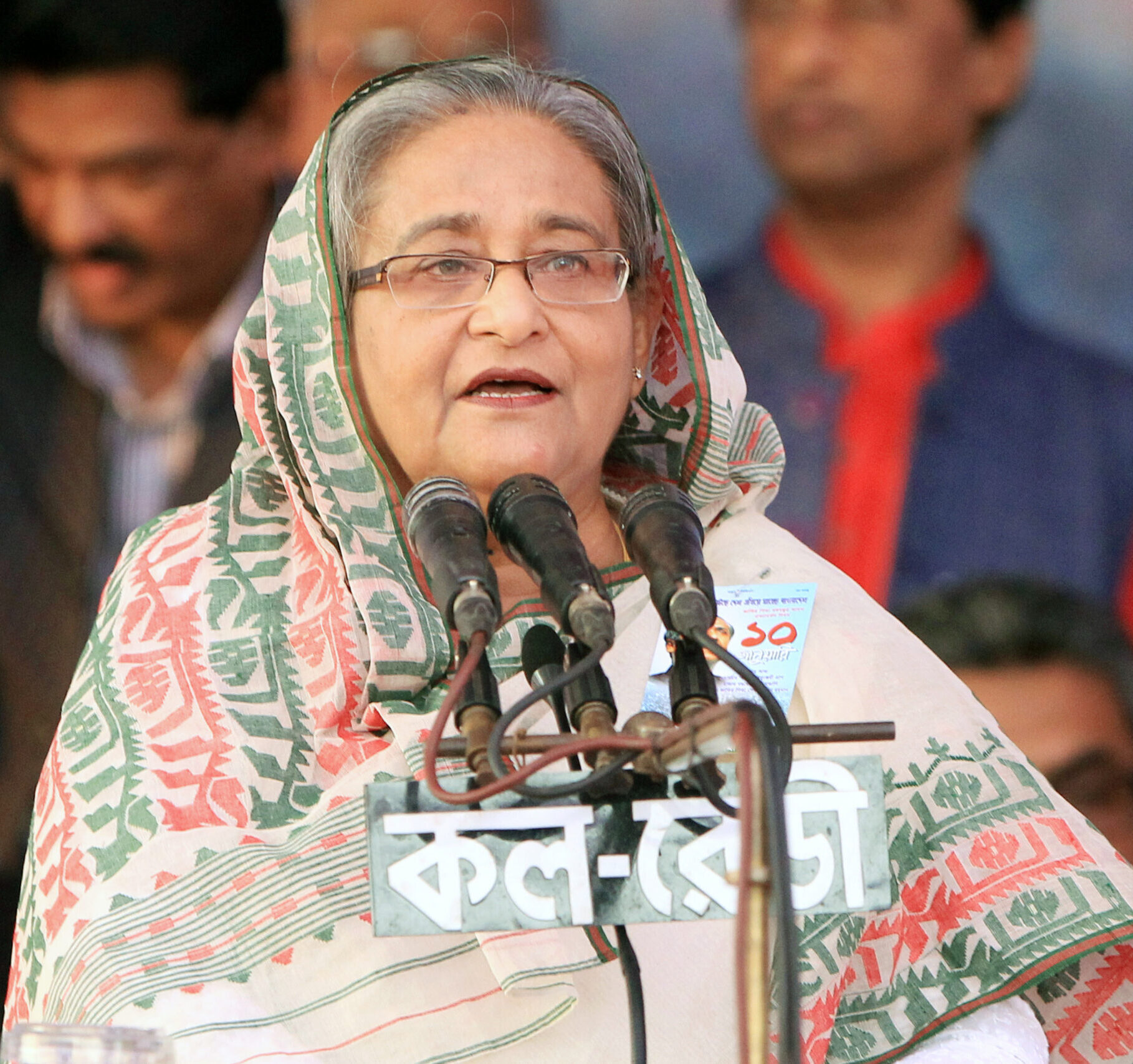
The ICT had been strictly controlled by the ousted Bangladeshi dictator Sheikh Hasina, who was recently sentenced to death and is currently a fugitive in India.
A prominent Muslim community leader
Chowdhury Mueen-Uddin has made significant contributions to British Muslim community leadership and public service over four decades.
He served as Secretary General of the Council of Mosques in the United Kingdom and Eire, helped establish the Muslim Council of Britain, and acted as Director of Muslim Spiritual Care Provision in the National Health Service from 2005 to 2012, advising on spiritual care for patients across faiths.
He held key roles, including vice-chairman of the East London Mosque and London Muslim Centre, chairman of Tottenham Mosque and Islamic Community Centre, and trustee of Muslim Aid, focusing on charitable initiatives for the British-Bangladeshi community in East London.
As vice-chairman of the East London Mosque, he greeted Prince Charles (then heir to the throne, now King Charles III) during the opening of a mosque extension in 2001, with Mueen-Uddin thanking him as “a patron of Islam in this country”.