



The government is facing accusations of paving the way for a sweeping crackdown on pro-Palestinian expression in English schools and colleges after accepting 27 recommendations on antisemitism, including controversial measures covering political speech, teacher conduct, safeguarding and the Prevent programme.
The proposals, published on Wednesday following an independent review by Sir David Bell, have been welcomed by the pro-Israel Board of Deputies of British Jews but condemned by the National Education Union (NEU), which warns they could silence discussion of Israel’s actions in Gaza.
At the centre of the controversy is the government’s decision to encourage all schools and colleges to adopt the International Holocaust Remembrance Alliance (IHRA) definition of antisemitism, which critics argue blurs the distinction between hatred of Jewish people and legitimate opposition to Israel and Zionism.
The measures go considerably further than tackling antisemitic bullying. They include training teachers to “recognise contemporary antisemitism,” strengthening safeguarding and Prevent guidance, regulating political symbols and slogans, tightening professional standards for teachers, and increasing scrutiny of how schools handle “politically sensitive issues.”
Critics fear that, taken together, the recommendations could create an environment in which Muslim pupils, pro-Palestinian students and teachers face increased scrutiny, complaints and potentially disciplinary action for expressing views about the genocidal Israeli state.

The government insists the measures are necessary to combat rising antisemitism.
Teachers’ union warns of silencing Gaza discussion
Subscribe to our newsletter and stay updated on the latest news and updates from around the Muslim world!
Daniel Kebede, General Secretary of the National Education Union, said the government’s decision to recommend the IHRA definition was fundamentally misguided.
“Recommending the IHRA definition for schools risks deepening the problem rather than tackling it, and actively undermining efforts to confront antisemitism. It is the wrong approach.”
Kebede warned that the definition could blur the distinction between genuine antisemitism and legitimate criticism of Israel’s conduct in Gaza.
He said young people must be able to scrutinise world events and develop their own understanding of the conflict without fear of being labelled antisemitic.
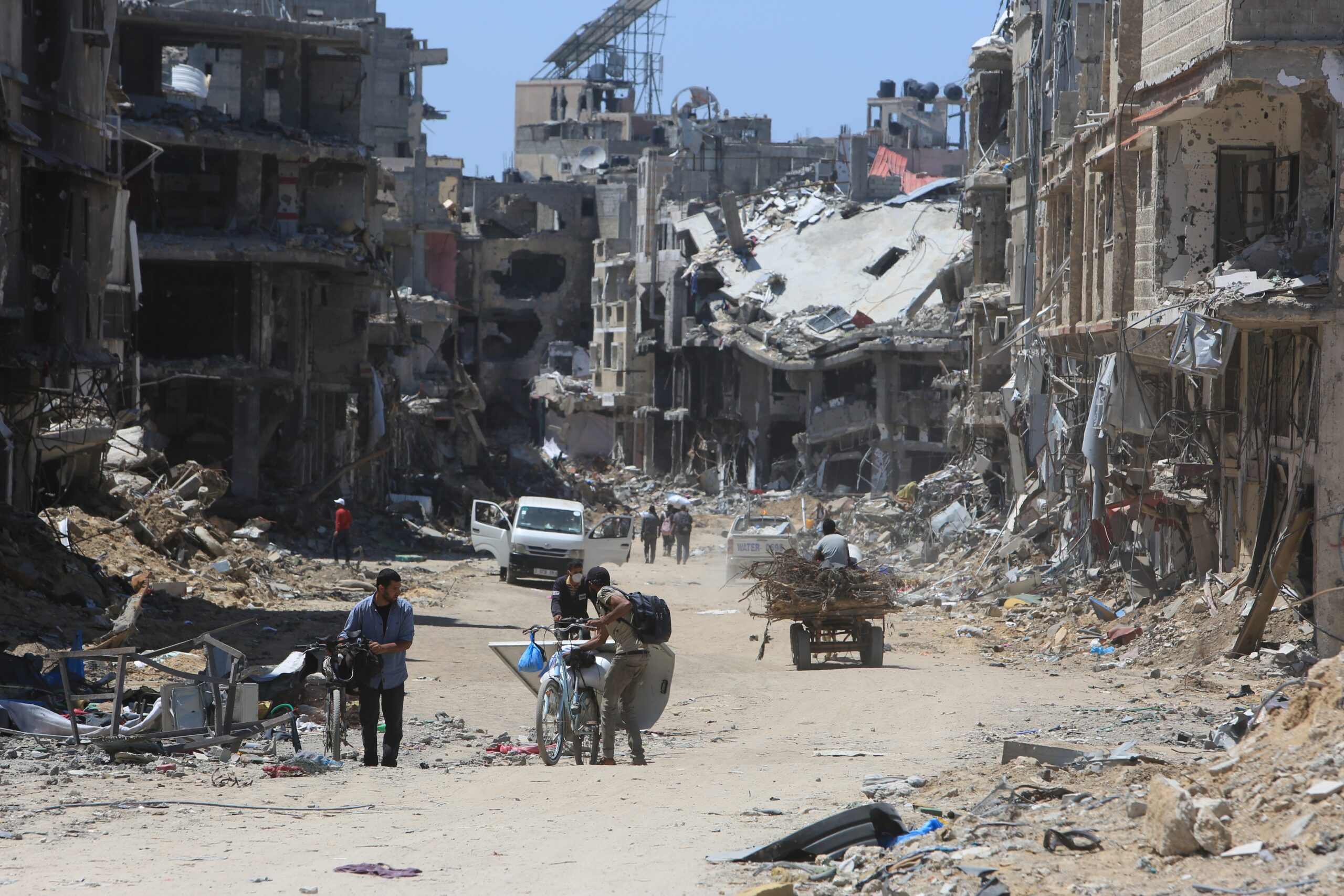
“Recommending the IHRA definition risks tightening the chilling grip already stifling classroom discussion of the Gaza genocide.”
He added that schools should encourage pupils to explore difficult issues openly rather than discourage teachers from discussing them.
The NEU also rejected suggestions that teachers were routinely failing to maintain political impartiality, pointing out that very few complaints concerning classroom impartiality had been upheld by the Teaching Regulation Agency over the past three years.
Kebede said the government’s approach could undermine efforts to tackle antisemitism itself, while leaving children vulnerable to misinformation if they were unable to discuss contentious issues in school.
The union also warned against creating unequal protections for different communities.
“We are concerned that addressing antisemitism without an equally clear commitment to tackling all forms of racism risks creating a hierarchy of racism.”
Controversial definition at the heart of reforms
The IHRA working definition has become a major point of contention in debates over antisemitism and freedom of expression.
While its core definition describes antisemitism as a particular perception of Jews that may be expressed as hatred, several of its accompanying examples concern Israel.
These include describing the existence of Israel as a “racist endeavour,” applying double standards to Israel and drawing certain comparisons between contemporary Israeli policies and those of Nazi Germany.
Critics argue that these examples risk treating political opposition to Zionism and criticism of Israel’s treatment of Palestinians as antisemitic.
The definition also explicitly states that criticism of Israel similar to that levelled against any other country cannot be regarded as antisemitic.
Nevertheless, its critics say the ambiguity surrounding its Israel-related examples has already discouraged legitimate discussion in universities, public institutions and political organisations.
The government’s decision to encourage schools to adopt the definition raises concerns that these disputes could increasingly affect children and teachers.
Under the recommendations, education professionals will receive training to identify antisemitism, including its contemporary manifestations.
This raises questions about which organisations will provide the training, how criticism of Zionism will be treated and what safeguards will exist to prevent legitimate Palestinian advocacy being wrongly classified as prejudice.
Prevent referrals and safeguarding concerns
One of the most consequential aspects of the review is its proposed relationship between antisemitism, safeguarding and radicalisation.
The recommendations seek to strengthen safeguarding guidance and help schools recognise when antisemitic behaviour may indicate a risk of radicalisation. They also address how existing Prevent guidance should be applied.

Prevent is the government’s counter-extremism programme, under which schools and other public institutions have a statutory duty to identify individuals considered vulnerable to being drawn into terrorism.
For Muslim families, the prospect of political views about Palestine becoming entangled with safeguarding and extremism procedures is likely to be particularly concerning.
The reforms do not automatically classify pro-Palestinian activism as extremism, nor do they require schools to refer pupils to Prevent simply for criticising Israel.
However, critics fear that the combination of a disputed definition of antisemitism and expanded safeguarding guidance could increase the risk of inappropriate referrals or investigations.
The central question is whether teachers will be able to distinguish genuine antisemitic threats and radicalisation risks from political anger over Israel’s actions in Gaza.
Palestinian flags, badges and slogans
The review also recommends that school leaders pay closer attention to political expression, including the display of flags, slogans, badges and other political identifiers.
The government has accepted recommendations encouraging schools to consider how political symbols are displayed and whether they could be perceived as promoting partisan political positions.
Although the measures do not impose a nationwide ban on Palestinian flags or badges, they could influence how individual schools regulate expressions of solidarity with Palestine.
Pupils wearing Palestinian badges, displaying flags or participating in demonstrations could face greater scrutiny depending on how school leaders interpret the guidance.
Teachers could also face difficult decisions about whether to permit political symbols associated with Palestinian identity and human rights campaigning.
The review additionally calls for stronger political impartiality guidance, with teachers expected to provide balanced treatment of opposing political viewpoints.
The concern is that schools could interpret this as requiring teachers to give equal weight to competing political claims even when discussing documented violations of international humanitarian law.
The government’s position is that political impartiality should prevent schools from promoting partisan political views while allowing pupils to discuss contentious issues.
Teachers’ social media activity under scrutiny
Another significant recommendation concerns teachers’ professional conduct, including their behaviour outside the classroom.
The review calls for greater clarity about professional standards and discriminatory behaviour, including conduct on social media.
This raises the possibility that teachers’ personal posts about Israel and Palestine could become the subject of complaints if they are alleged to breach professional standards.
The recommendations do not prohibit teachers from supporting Palestinian rights or criticising Israel in their private lives.
Nevertheless, the increased emphasis on antisemitism and professional conduct could create uncertainty for teachers who publicly express strongly anti-Zionist views.
Critics fear that the threat of complaints or disciplinary proceedings may encourage teachers to censor themselves even where their speech is lawful.
Pro-Israel organisations welcome recommendations
The Board of Deputies of British Jews has strongly welcomed the review and the government’s commitment to implement its recommendations. Its vice-president, Karen Newman, said the proposals were necessary to tackle antisemitism and extremism in education.
“We welcome the recommendations of Sir David Bell to tackle antisemitism in schools and colleges and the commitment of the Secretary of State for Education to implement them.”
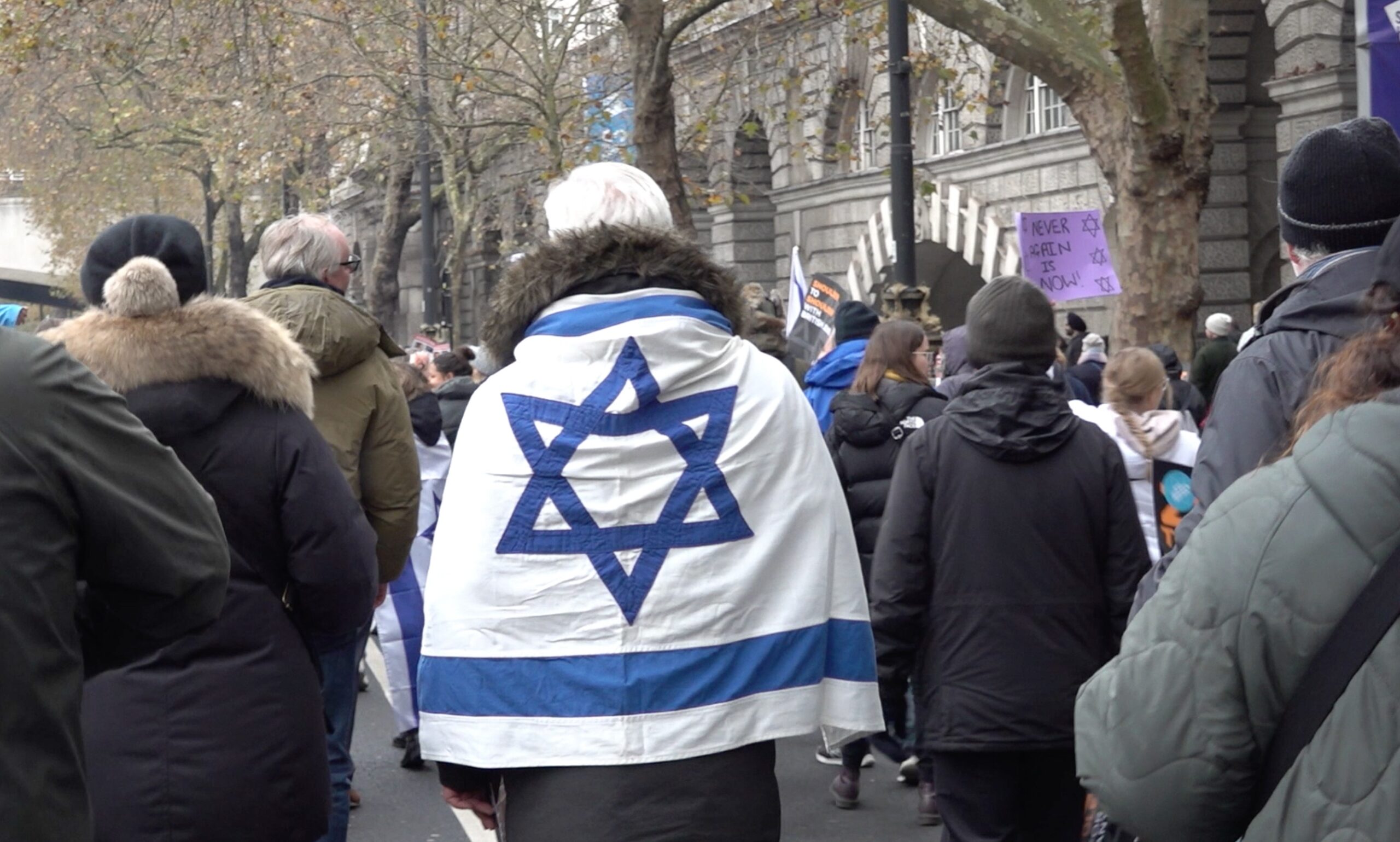
Editorial credit: Edward Crawford / Shutterstock.com
The organisation particularly welcomed the recommendation that schools adopt the IHRA definition, alongside measures concerning safeguarding, Holocaust education and political impartiality.
Newman also expressed concern about political influences on schools.
“We remain concerned about undue external influence on schools driven by narrow political agendas, and tendentious materials seeping into schools and increasing disharmony, and we will continue to press for vigilance against this.”
The Board of Deputies is a prominent representative organisation of British Jews and an outspoken supporter of Israel.
The government has also appointed representatives from Jewish educational and antisemitism organisations to an implementation group overseeing the reforms, including the Partnerships for Jewish Schools and the Antisemitism Policy Trust.
The membership raises questions about how Palestinian, Muslim and civil liberties perspectives will be represented as the recommendations are implemented.
Government insists criticism of Israel remains legitimate
Education Secretary Lucy Powell defended the reforms, saying the government had a responsibility to protect Jewish children and teachers from discrimination and intimidation.
In her foreword to the government’s response, she acknowledged the importance of distinguishing criticism of Israel from antisemitism.
She wrote that schools should be capable of discussing difficult subjects while recognising the difference between criticism of Israeli government policies and hostility towards Jewish people.
The government says almost three in five Jewish students aged 16–19 surveyed for the review had experienced or witnessed antisemitism.
However, that figure does not, by itself, establish how many incidents occurred inside schools, outside educational settings or online.
According to the Institute for Jewish Policy Research, nearly 70% of Jewish school-age children in the UK attend Jewish schools.
This raises questions about the survey’s composition and where the incidents reported by respondents took place, although the national school-attendance figure cannot be assumed to represent the survey sample.
The government says the reforms are designed to ensure Jewish pupils and teachers can learn and work without fear of antisemitic harassment.
It has also committed to encouraging schools to adopt its definition of anti-Muslim hostility.
Fears for the future of Palestinian activism
Roshan Muhammed Salih, Editor-in-Chief of 5Pillars, warned that the recommendations could amount to a sweeping crackdown on pro-Palestinian expression across the British education system.
“This is a crackdown on pro-Palestine expression in schools,” he said. “I’m all for protecting genuine antisemitism, but this goes much further.”
Salih argued that the controversial IHRA definition had already been used to suppress criticism of Israel and warned that its adoption in schools could have far-reaching consequences.
“The IHRA definition of antisemitism is basically the Israeli lobby-approved definition of antisemitism. It conflates criticism of Jews with criticism of Israel,” he said. “It’s a very problematic definition which has been weaponised to crack down on pro-Palestine dissent.”
He expressed particular concern about the potential for pupils to be referred to Prevent, teachers to face disciplinary complaints and schools to restrict Palestinian flags, badges and slogans.
Salih also questioned the government’s emphasis on political impartiality when discussing Gaza.
“The trouble is that a genocide has happened. And you’re asking students to be impartial on a genocide. Students won’t go for that. They can see on their phones what’s happening in Palestine clearly.”
He added that the government’s approach risked alienating both pupils and teachers who believe they have a moral responsibility to speak out about Palestinian suffering.