



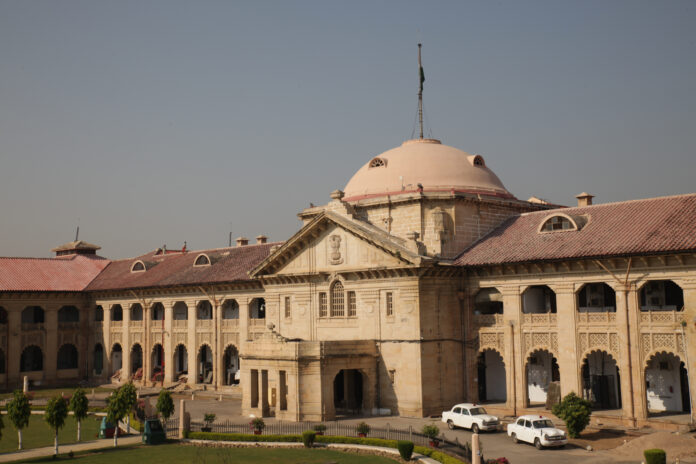
Allahabad High Court has acquitted a Muslim man who spent 28 years in prison for a bus bombing in northern India, ruling that the prosecution had “miserably failed” to prove its case.
The judgment, delivered on 10 November, ordered Mohammad Ilyas’s immediate release, bringing an end to nearly three decades of imprisonment for a crime the court said could not be linked to him through lawful evidence.
The two-judge bench ruled that Ilyas’s alleged confession could not be used because Indian law bars the use of confessions made in police custody. Under Section 25 of the Indian Evidence Act, any confession given to a police officer cannot be treated as evidence.
The court said that once the confession was removed, “no legally admissible evidence remains” against him. Prosecutors had argued that the confession was made in the presence of Ilyas’s father and brother, and tried to rely on a provision from TADA, an anti-terror law repealed in 1995, which had allowed police-recorded confessions to be admissible. The High Court ruled that those provisions were no longer valid.
Judges also rejected an audio cassette said to contain a recorded confession, calling it unreliable and “inadmissible under current law.”

1996 bus blast
The case relates to an explosion on 27 April 1996, when a bus travelling from Delhi to Roorkee blew up shortly after passing a police station in Modinagar, in Ghaziabad district. Ten passengers were killed and 48 were injured. Forensic experts found that RDX had been placed under the driver’s seat and detonated remotely.
Subscribe to our newsletter and stay updated on the latest news and updates from around the Muslim world!
Investigators alleged the attack was carried out by a militant linked to Harkat-ul-Ansar and accused Ilyas of aiding the operation. But no witness identified the person who planted the device, and the court noted it was “practically impossible” to know who placed the bomb as it had been hidden before the bus left Delhi.
Statements from 34 witnesses were recorded over the years, including passengers, police officers and medical staff. The High Court said the testimonies were inconsistent and none established Ilyas’s involvement. Several witnesses turned hostile or contradicted earlier statements.
The bench said the trial court had committed a “serious legal error” by relying on the police-recorded confession and the audio cassette. Once excluded, “there is absolutely no evidence against the appellant,” the court said.
Overturned with a heavy heart
While overturning the conviction, the judges acknowledged the gravity of the 1996 attack but said the seriousness of the crime could not justify lowering legal standards.
“The law cannot be stretched where evidence is weak,” they said, criticising the prosecution for presenting a case that lacked “legally sustainable proof.”
Ilyas’s lawyer welcomed the ruling, saying it was long overdue, while his family expressed relief after decades of waiting. The court directed Ilyas to furnish a personal bond and two sureties upon release.
Legal experts say the judgment highlights long-standing concerns about terror-related prosecutions in India, particularly those involving Muslim suspects. Rights groups have repeatedly accused Indian security agencies of relying on coerced confessions and flawed investigations in terror cases.
Analysts say Ilyas’s ordeal is a stark example of the long-term consequences of weak investigations and misuse of terror charges. Campaigners argue that the case underscores the need for stronger safeguards and accountability to prevent wrongful convictions.