



Whether it’s the recent ‘Scary Weekend’ Halloween celebrations, hip-hop concerts, or the upcoming Winter Wonderland in Jeddah, the past decade in Saudi Arabia has witnessed a surge of entertainment events deeply rooted in Western, anti-Islamic practices, writes Maria Akbar.
This liberalisation has been part of Vision 2030, launched in 2016, when Crown Prince
Mohammed bin Salman (MBS) set out to diversify the Saudi economy away from oil. Before
this, Saudi society was largely conservative and avoided practices seen as contrary to Islam.
Concerts, cinemas, and non-Islamic festivals had been banned for decades. Today, they are
not only permitted but celebrated as symbols of progress.
For many Muslims across the globe, myself included, observing this shift is deeply
disappointing. What happens in Saudi does not stay in Saudi.
Its actions carry a weight that reverberates throughout the Muslim world.


1. Saudi Arabia is the birthplace of Islam
Islam began in Saudi Arabia. Prophet Muhammad (peace be upon him) was born in Makkah; the Qur’an was first revealed in the Cave of Hira; the Hijrah took place to Madinah. The battles, the martyrs, the dawah, and the miracles, all unfolded on Saudi soil. The amount of history there is beyond comprehension.
Subscribe to our newsletter and stay updated on the latest news and updates from around the Muslim world!
2. Saudi Arabia holds a sacred custodianship
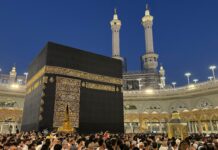
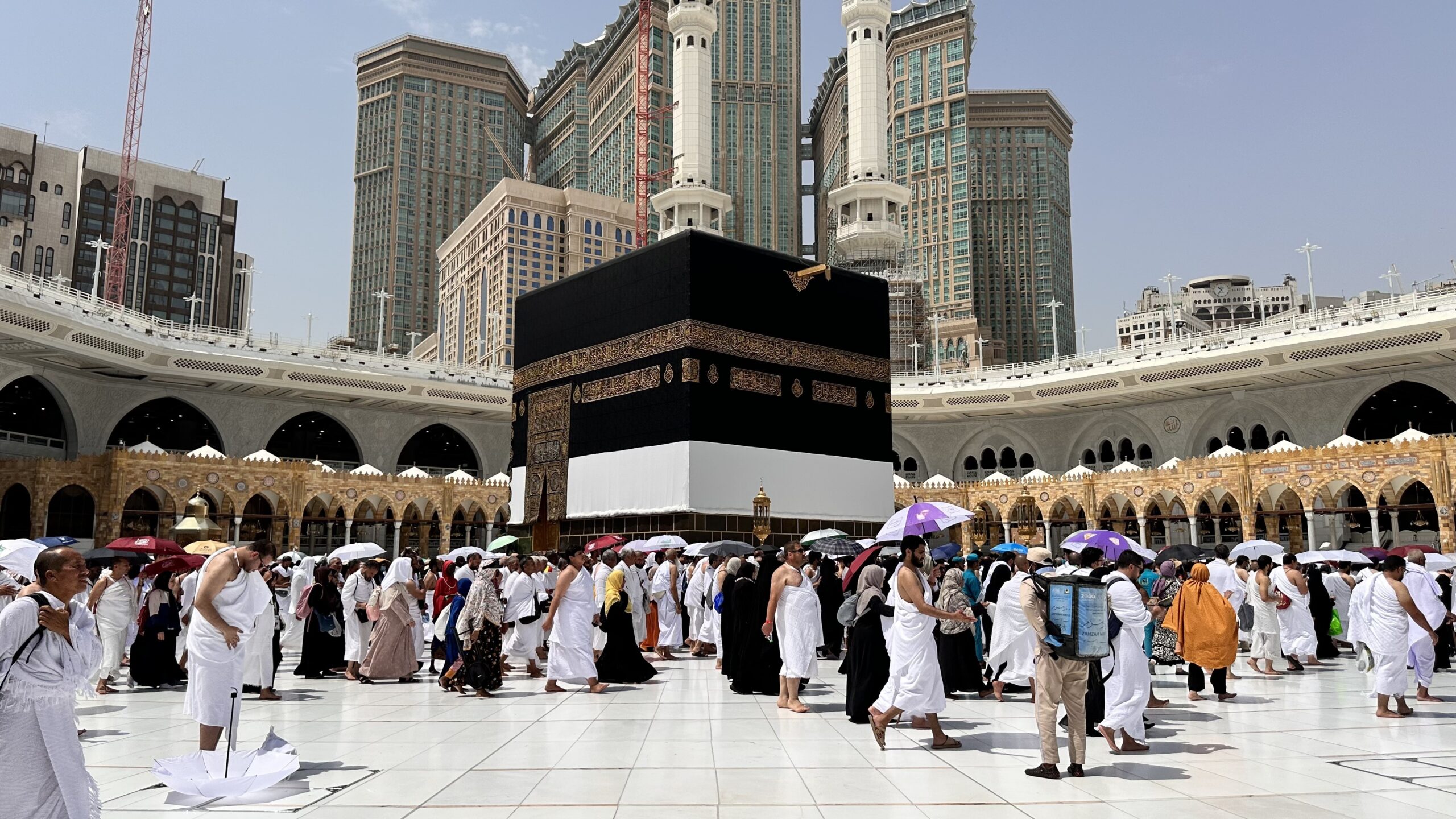
The rulers of the Kingdom are the custodians of Makkah and Madinah, the two holiest sites
in Islam, visited by millions every year for Hajj and Umrah. Makkah is the most blessed place on earth, followed by Madinah. Allah, the Exalted, swears by Makkah, signifying its sanctity.
One prayer in Al-Masjid Al-Haram equals one hundred thousand prayers elsewhere.
Madinah is home to the Prophet’s Mosque and the blessed Rawdah, and other significant
historical locations such as Masjid Quba and Masjid Qiblatayn.
3. Saudi Arabia’s image and culture represent Islam
Saudi Arabia’s identity has always been intertwined with Islam. What the Kingdom does or
does not do is often seen as a reflection of the faith itself.
This places an immense responsibility on its leaders and people to uphold Islamic principles. When the nation normalises practices that contradict Islam, those actions risk being perceived globally as part of Islam, influencing Muslims far beyond its borders and distorting the faith’s image.
4. Saudi Arabia has a responsibility to the Ummah
Saudi Arabia holds a unique moral and spiritual responsibility to the global Ummah. For
generations, Muslims have looked to it as the land of pure Tawheed and islamic integrity.
What Saudi promotes or permits affects not only its own society but the hearts and minds
of Muslims across the world.
It is devastating, then, to witness a deliberate shift from a society once defined by Islamic
values to one increasingly shaped by Westernized entertainment and consumer culture. The
fact that this transformation is justified in the name of financial gain is deeply troubling.
Allah has already blessed Saudi Arabia with immense wealth and privilege. Yet as the
Prophet (peace be upon him) said, ‘If the son of Adam were given a valley of gold, he would desire another.’
Wanting prosperity is natural but seeking it through disobedience to Allah is not. No true success can come from what displeases Him.
They already hold an honourable status simply by being in the very land where Islam began and the prophet (SAW) lived. Instead of upholding that, they have chosen to imitate and absorb the ways of the West.
However normalised these practices may become, their existence in a land once revered for
its purity in Islam will always be a source of deep grief. It serves as a reminder of how far we have strayed from the principles that once united the Ummah.