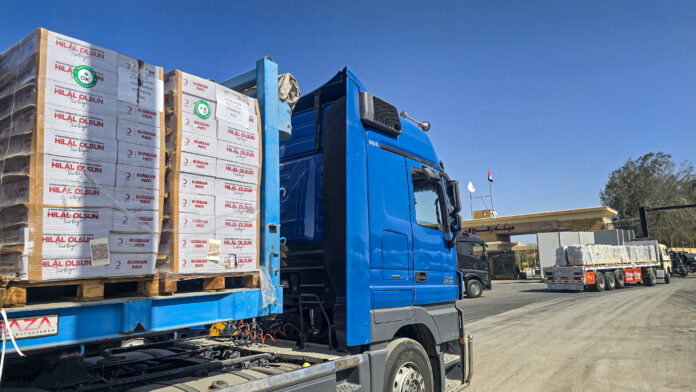
The Rafah border crossing between Gaza and Egypt remains shut despite weeks of negotiations and reported “understandings” following the ceasefire between Israel and Hamas — prolonging the isolation of more than two million Palestinians trapped inside the besieged enclave.
Once described as Gaza’s “gateway of life,” Rafah has now become a symbol of political paralysis and human despair.
The crossing has been closed since 7 May 2024, when Israeli forces launched an assault on Rafah city and seized control of the Palestinian side of the terminal. The attack halted all movement of people and humanitarian aid, cutting off Gaza’s only direct link to Egypt and the outside world.
Since the Israeli incursion, control of Rafah has become a contentious issue among Israel, the Palestinian Authority (PA), and Hamas, with Egypt mediating talks on a new operational framework through international channels.
Israel has insisted that the crossing will not reopen until “new security arrangements” are in place to prevent it from being used for “military purposes.” Hamas has rejected these conditions, calling them political blackmail that undermines the ceasefire agreement.

The PA has offered to resume partial operations to allow the return of stranded travellers, but Israel reportedly rejected the proposal, keeping the crossing closed “until further notice.”
Diplomatic sources say discussions are ongoing over a plan that would place the PA in charge of the crossing, supported by the EU Border Assistance Mission (EUBAM Rafah).
Subscribe to our newsletter and stay updated on the latest news and updates from around the Muslim world!
Under the proposed arrangement, Israel would retain remote technical oversight via its COGAT military liaison unit, while Egypt would handle security and coordination on the ground.
Stalled implementation
Talks hosted in Sharm El Sheikh and sponsored by Egypt, Qatar, and Turkey — with the participation of the U.S. — reportedly produced a draft plan for a phased reopening. The proposal envisages first allowing humanitarian convoys through, followed by limited travel for medical patients, students, and foreign residents.
However, implementation has stalled amid Israeli demands that Hamas hand over the remains of its soldiers and captives before any reopening takes place.
Despite the ceasefire announcement, violence has continued across Gaza. According to the Government Media Office, Israeli forces have carried out more than 47 violations since the truce began on 10 October, killing at least 211 Palestinians and injuring nearly 600.
For Gaza’s residents, the closure of Rafah has reinforced the sense that the ceasefire changed little on the ground. Movement, trade, and medical evacuations remain virtually frozen, with humanitarian agencies warning that aid supplies are dwindling and hospitals are struggling to function.
As days turn into weeks and the gates remain locked, Gazans say the much-heralded end to the fighting has merely become another pause in an unbroken siege — one that continues to define life in the besieged Strip nearly two decades after the blockade first began.