



The Nazi terrorist killer of Birmingham grandfather Mohammed Saleem, Pavlo Lapshyn, has been found dead in his jail cell.
A Prison Service spokesperson told 5Pillars: “Pavlo Lapshyn died on 23 September 2025 at HMP Wakefield. As with all deaths in custody, the Prisons and Probation Ombudsman will investigate.”
In response to the crime committed by Lapshyn, the spokesperson said: “This was an abhorrent crime and our thoughts remain with Mr. Saleem’s friends and family.”
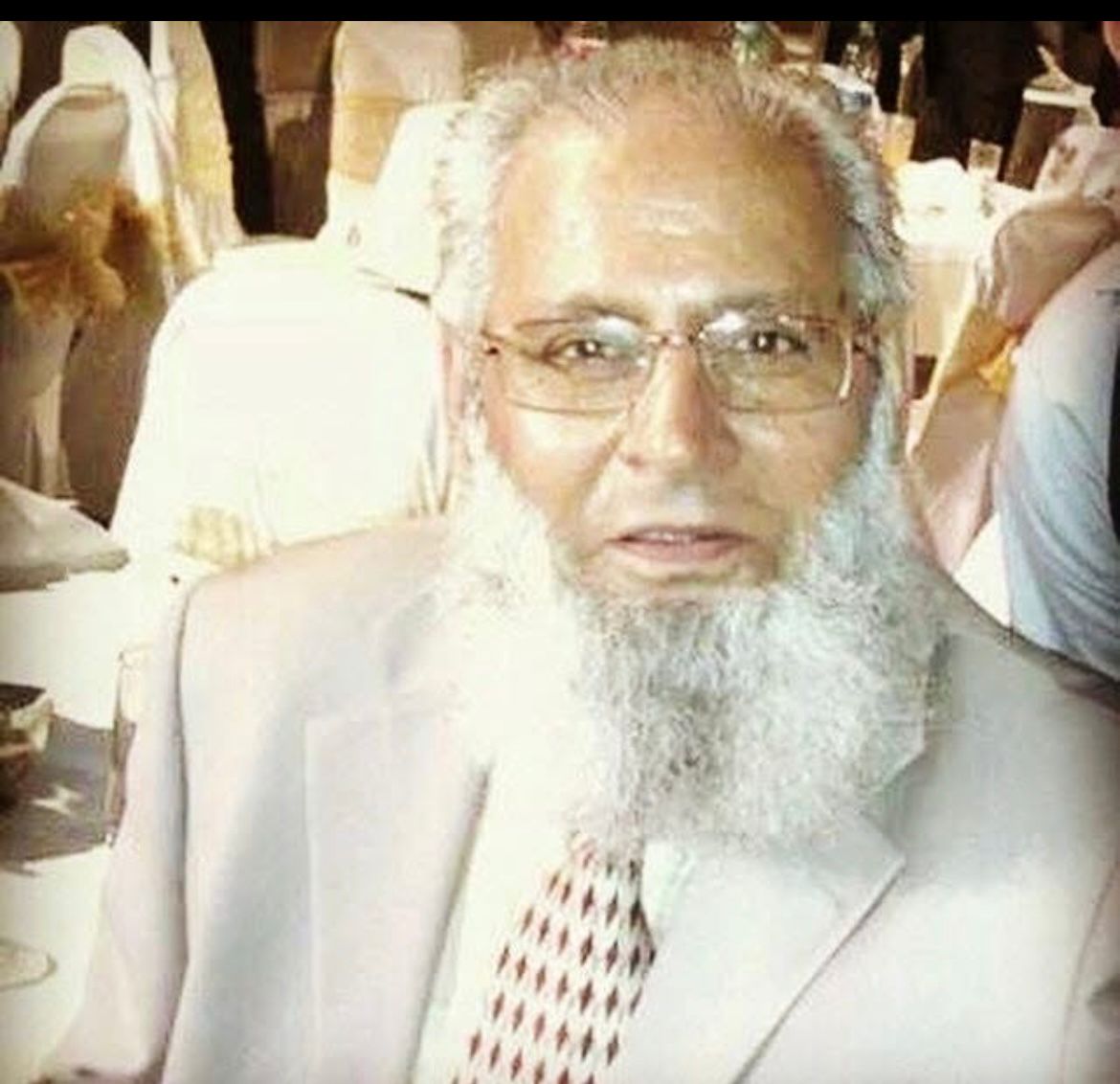
Maz Saleem, who has campaigned to honour her father’s memory since he was brutally murdered in Birmingham in 2013 aged 82, released the following statement to 5Pillars:
“It has come to my attention via the victim liaison officer that Pavlo Lapshyn — the man convicted of murdering my father and committing acts of terror against our community — has been found dead in his prison cell. At present, I have not been given clear details surrounding the circumstances of his death: whether it resulted from other inmates, self-inflicted harm, or other causes remains unknown.

“There is some uncertainty about exactly which prison he was held in at the time. I believe it may have been HM Prison Wandsworth, but this is not confirmed. I was under the impression that he was moved from Belmarsh, but the information has not been verified.
“As a matter of respect — to my father’s memory, to justice, and to humanity — I wish to express that I have chosen, after many years, to forgive Lapshyn. This is not to condone what he did — his actions were gravely wrong, and he caused immense pain. But I believe holding onto hatred serves no one. He was someone’s son, with elderly parents in Dnipropetrovsk, Ukraine. My thoughts are with his family in this difficult time.
Subscribe to our newsletter and stay updated on the latest news and updates from around the Muslim world!
“I also feel compelled to raise concern that when events like this occur, official communication is often delayed. The police or prison services do not usually release details immediately, and I understand why — there are protocols. But in the absence of transparency, rumours and misunderstanding flourish, and more harm is done.
“I ask the media to treat this matter with compassion, accuracy, and dignity. We must resist division, especially at times like this, and uphold our common humanity. I miss my father every day, not least because I am unwell — illness sharpens absence. What Pavlo Lapshyn stood for — hatred, extremism, and racism — is the opposite of everything our community believes in, and we must continue to stand for forgiveness, justice, and peace.
“May they both rest in peace. Surely we belong to God, and to Him we shall return.”
‘Race war’
Lapshyn, now 37, was a Ukrainian neo-Nazi terrorist who committed a series of racially motivated attacks in the United Kingdom in 2013.
Originally from Dnipro (formerly Dnipropetrovsk), Ukraine, he was a highly educated engineering student with a history of far-right extremism.
Lapshyn was sentenced to life imprisonment with a minimum term of 40 years for murder and plotting explosions.
In 2013, Lapshyn won third place in a competition for an international exchange program, securing a temporary work placement at Delcam, a software company in Birmingham’s Small Heath neighbourhood (an area with a significant Muslim population). He arrived in the UK on April 24, 2013, on a working visa and stayed in company-provided accommodation.
Inspired by the Boston Marathon bombing earlier that year, Lapshyn launched a two-month campaign of violence aimed at sparking racial tensions between white supremacists and Muslim communities. He acted alone, without ties to any organised group, and meticulously planned his attacks using his technical skills to build improvised explosive devices (IEDs).
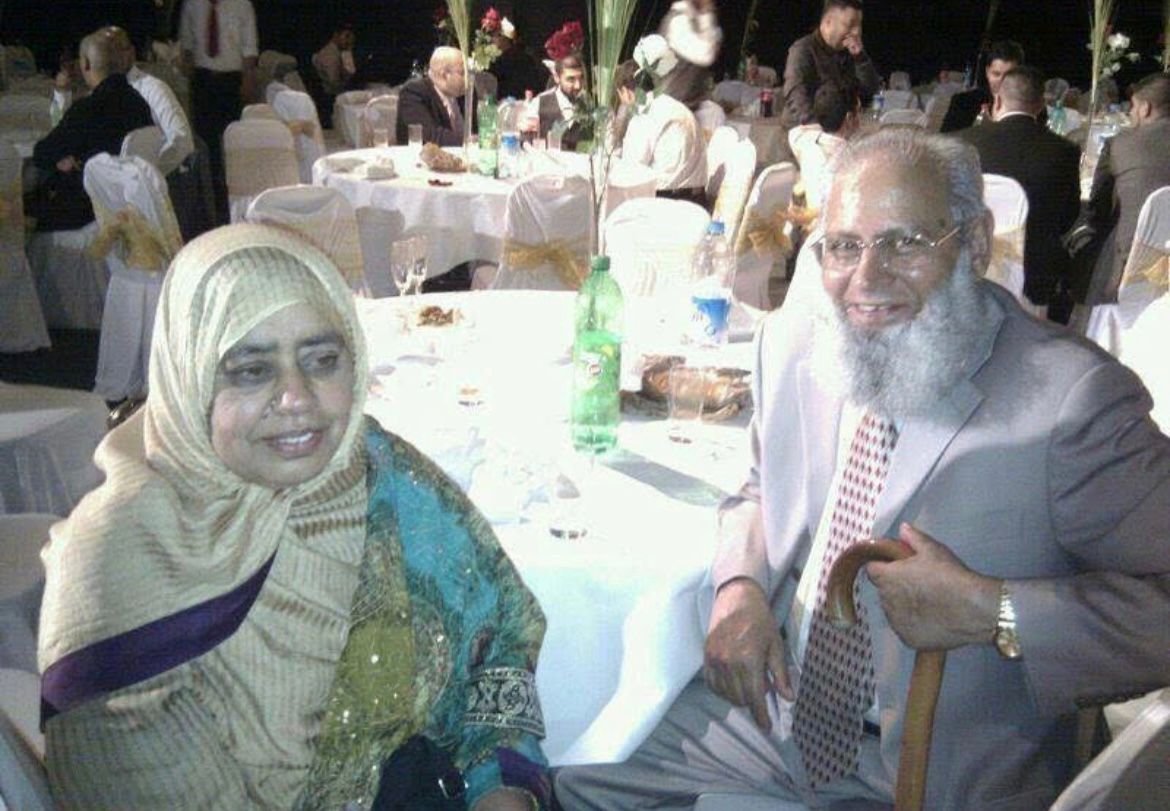
On April 29, 2013 — just five days after arriving — Lapshyn stabbed 82-year-old Mohammed Saleem, a grandfather of 22 and a respected community member, to death in Small Heath, Birmingham.
Saleem had been walking home from evening prayers at his local mosque, using a walking stick due to poor health. Lapshyn approached from behind and inflicted fatal stab wounds to the neck and chest. The murder was described as a random, opportunistic act of racial hatred.
Between June and July 2013, Lapshyn planted and detonated three homemade bombs near mosques in the West Midlands:
- June 21: Explosion outside the Wolverhampton Central Mosque (shortly after Friday prayers; no injuries due to timing).
- July 12: Blast near the Ghausia Mosque in Walsall.
- July 18: Device detonated close to the Bilal Mosque in Tipton.
The bombs were pipe devices filled with nails, screws, and explosives, designed to cause maximum casualties. Police believe Lapshyn timed the attacks to coincide with prayer times but made errors in scheduling, averting mass harm. He scouted locations using public transport and purchased materials online and from stores.
Lapshyn’s actions were investigated as potential terrorism from the outset, with West Midlands Police linking the unsolved murder to the bombings through CCTV footage and forensic evidence. He was arrested on July 18, 2013, after attempting to detonate another device.
Lapshyn pleaded guilty on October 21, 2013, to murder, plotting to cause explosions, and racially aggravated criminal damage. At the Central Criminal Court in London, he was sentenced on October 25, 2013, to life imprisonment with a minimum of 40 years.
Court evidence revealed neo-Nazi materials on his computer, including manifestos and far-right propaganda. He expressed a desire to ignite a “race war” against Muslims.
Mohammed Saleem’s family have been harshly critical of the police, media and politicians over their investigation and coverage of the case. They have accused them all of institutional Islamophobia.