


Muslim families across Northern Ireland are living in fear after several nights of disorder and attacks targeting migrants and ethnic minorities, with community members warning that anti-Muslim rhetoric has created a climate in which violence has become increasingly normalised.
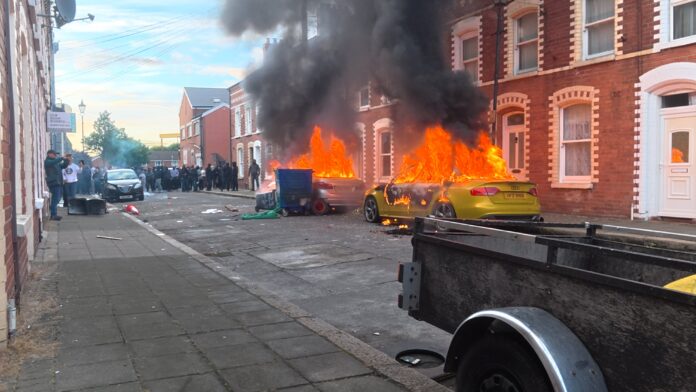
As riots continued across parts of Northern Ireland this week, Muslims described a growing sense of vulnerability, with mosques cancelling prayers and public events, some parents keeping children home from school, and others fearing further attacks on homes and businesses.
One Muslim community figure, who spoke to 5Pillars on condition of anonymity due to security concerns, said many Muslims feel they are being unfairly portrayed as a threat despite making up less than one percent of Northern Ireland’s population.
“We are a tiny community,” the source said. “There are around 15,000 Muslims among a population of two million people. Yet there has been a sustained narrative that Muslims are taking over, that Muslims are dangerous, and that Muslim men are a threat to women and children.”
The unrest follows a knife attack by a suspected Sudanese immigrant that shocked Northern Ireland and sparked violent demonstrations and anti-immigrant pogroms in several areas. While political leaders and commentators have condemned violence, Muslim representatives say the disorder cannot be understood without examining months of anti-migrant and anti-Muslim agitation online and on the ground.

According to Muslims, social media networks operating under names such as “Concerned Residents” and “Concerned Parents” groups have spent months spreading allegations about migrants and Muslims, often portraying them as criminals or threats to local communities.
“These narratives didn’t emerge overnight,” one Muslim told 5Pillars. “There has been a steady drumbeat of claims about Islamification, about migrants being dangerous, about Muslim men carrying knives and threatening communities.”
Subscribe to our newsletter and stay updated on the latest news and updates from around the Muslim world!
The rhetoric has become particularly intense in recent months, amplified by activists associated with the British far right and figures linked to Tommy Robinson. While some of the claims remain disputed, Muslim community members say the impact has been undeniable.
“There has been groundwork laid for a long time,” a community member told us. “People have been fed stories and images portraying Muslims as enemies. When the recent attack happened, it became a trigger point.”
Muslims also pointed to a number of incidents over the past year that they believe contributed to the current atmosphere, including anti-migrant displays on loyalist bonfires and murals depicting Muslims as a threat to Northern Irish society.
Personal safety
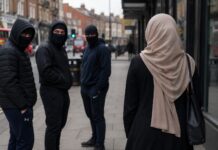
For many Muslim families, however, the greatest concern is not politics but personal safety. A source described scenes of fear among parents as violence spread through some areas.
“My son messaged me from school and said, ‘Mummy, all the kids are so racist,’” the source recalled. According to her, children reported hearing classmates boast about taking part in riots and using racial slurs against ethnic minority pupils.
She immediately collected her children from school and has since kept them at home.
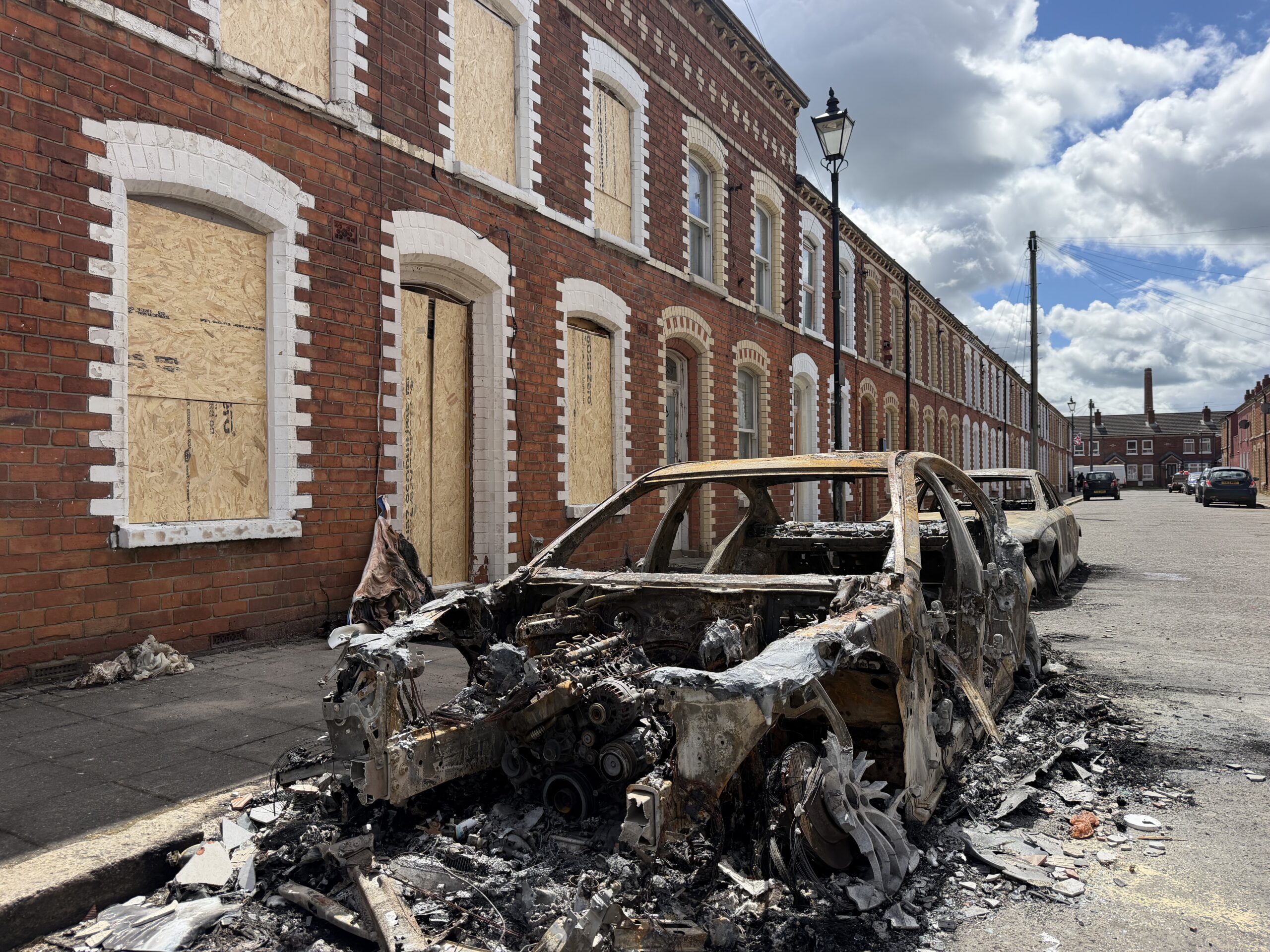
The fear extends beyond schools. Some of the attacks seen during the unrest appeared organised rather than spontaneous.
“What we saw wasn’t random,” a Muslim told us. “People seemed to know which houses belonged to migrants and people of colour. It felt systematic and targeted.”
However, local volunteers helped vulnerable families find temporary accommodation and places of safety.
“There are people opening churches and community halls. There are women driving families to safe places. Ordinary people are trying to protect those who are frightened.”
Protestant communities radicalised
Interestingly, another Muslim drew a distinction between Northern Ireland’s Unionist and Nationalist communities.
While acknowledging that racism exists across society, he argued that many Nationalist areas have offered solidarity to migrants and Muslims, particularly because of longstanding support for the Palestinian cause.
“Some of our safest spaces right now are in Republican areas,” he said.
As tensions continue, many Muslims are questioning what the coming days will bring.
Police have indicated that unrest may continue in the coming days, a prospect that has left many families anxious.
“We don’t know what tonight will bring,” another said. “Every day there seems to be a different target, a different focus.”
For Northern Ireland’s small Muslim community, the events of the past week have been a stark reminder of how quickly fear can spread.
Many Muslims arrived in the region seeking safety, education and opportunity. Others, including converts and long-established families, have spent decades building community institutions and contributing to wider society.
Now, however, some say they are wondering whether they and their children can move freely without fear of intimidation.
“We have lived here for years. We are part of this society,” a Muslim told 5Pillars. “But right now many Muslims are scared. They’re scared for their homes, scared for their children and scared about what comes next.”