

Syria’s Ministry of Education has restored Qur’an and Islamic etiquette lessons following protests, though new music lessons may remain.
The Ministry reversed part of its controversial reforms for the 2025–2026 academic year after public uproar.
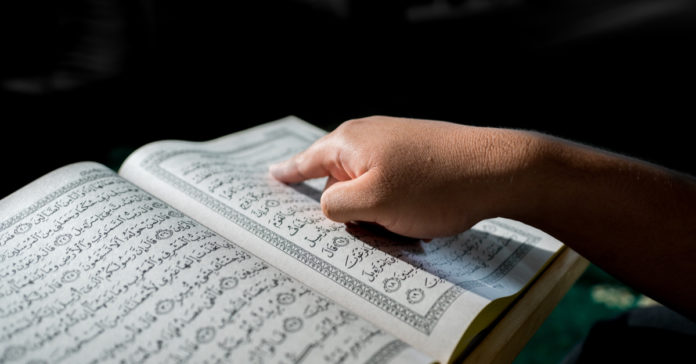
Weeks after halving the hours devoted to Islamic studies in schools and announcing the introduction of music and art, the ministry confirmed that Qur’an and Islamic etiquette classes will be restored to their previous place in the curriculum.
The Free Syrian Teachers Association announced the decision in a statement on Friday, crediting the efforts of teachers, parents and religious scholars who mobilised against the reform. “By His grace, and then by the efforts of zealous teachers, parents, and honourable sheikhs… the Holy Qur’an and Islamic education classes have been restored,” the group declared.
The association, led by Director Ahmed al-Khaled, said it had cancelled a planned protest after the ministry responded to what it described as a “legitimate demand.”

It also expressed gratitude to prominent sheikhs, including Abdul Razzaq al-Mahdi, who praised the campaign. “May Allah bless you, teachers, and bless everyone who raised their voice in defence of truth and support of religion,” he said.

Al-Mahdi is a figure long associated with religious activism in Syria. He once took part in the formation of Hay’at Tahrir al-Sham (HTS) and appeared in its founding declaration.
Subscribe to our newsletter and stay updated on the latest news and updates from around the Muslim world!
However, by early 2017 he had publicly distanced himself from the group, announcing on his official Telegram channel that he could not prevent certain injustices and did not wish to bear responsibility for them.
His involvement in the campaign to defend Qur’an classes has therefore carried weight among supporters, who see him as both committed to religion and willing to oppose perceived wrongs.
The reversal followed strong criticism of the earlier reforms, which were seen by many as undermining religious identity in favour of secularisation.
Parents and religious leaders were particularly angered by the decision to slash Islamic studies hours in half while introducing music and art. The changes sparked widespread concern among families, who feared that reducing Qur’an lessons would weaken children’s attachment to their faith.
Reports now suggest that music lessons may remain in the curriculum despite the reinstatement of Qur’an classes, though no official confirmation has been issued.
The possibility of schools offering both Qur’an and music has generated debate. Supporters argue this balance could satisfy parents while modernising education, but critics say the authorities are playing politics with religion and identity.