


Syria’s new leadership is advancing unprecedented diplomatic engagement, reopening embassies, meeting US officials, and negotiating with Israel after years of war and isolation.
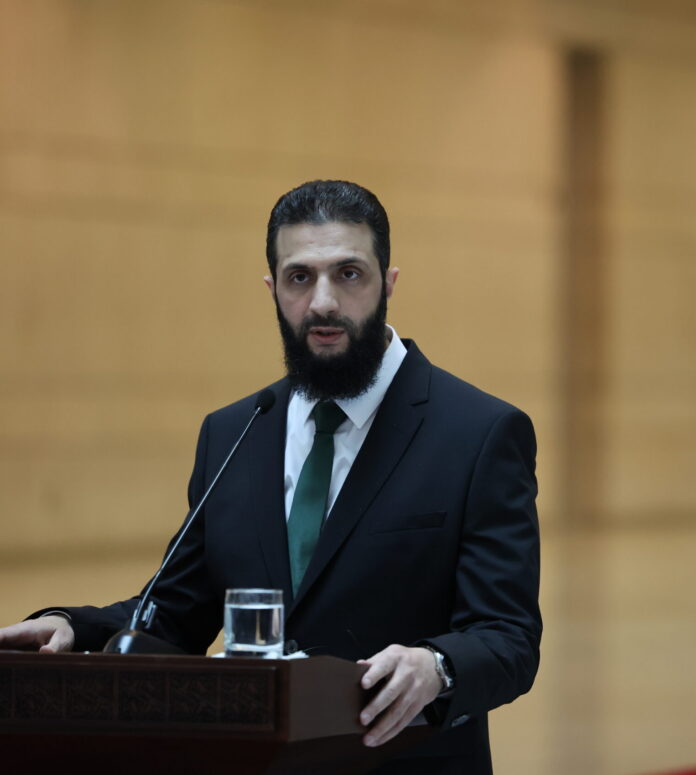
Syrian President Ahmad al-Sharaa is preparing to address the UN General Assembly in New York, becoming the first Syrian leader to do so since 1967. His appearance highlights Damascus’ drive to reintegrate into the international community after decades of diplomatic isolation under Bashar al-Assad, whose regime was toppled last December. That collapse ended the Ba’ath Party’s uninterrupted six-decade rule in Syria.
Since then, Al-Sharaa has led a transitional administration formed in January, stressing reforms at home and reconciliation abroad. The UN platform will symbolise Syria’s intent to move beyond civil war and authoritarianism, though significant challenges remain.
Foreign Minister Asaad al-Shaibani has spearheaded efforts to normalise ties with Western states. In Washington, he raised the Syrian flag above the embassy for the first time in more than a decade. He called it “a historical moment,” while Syrian-Americans described the reopening as a symbol of freedom after years of repression.
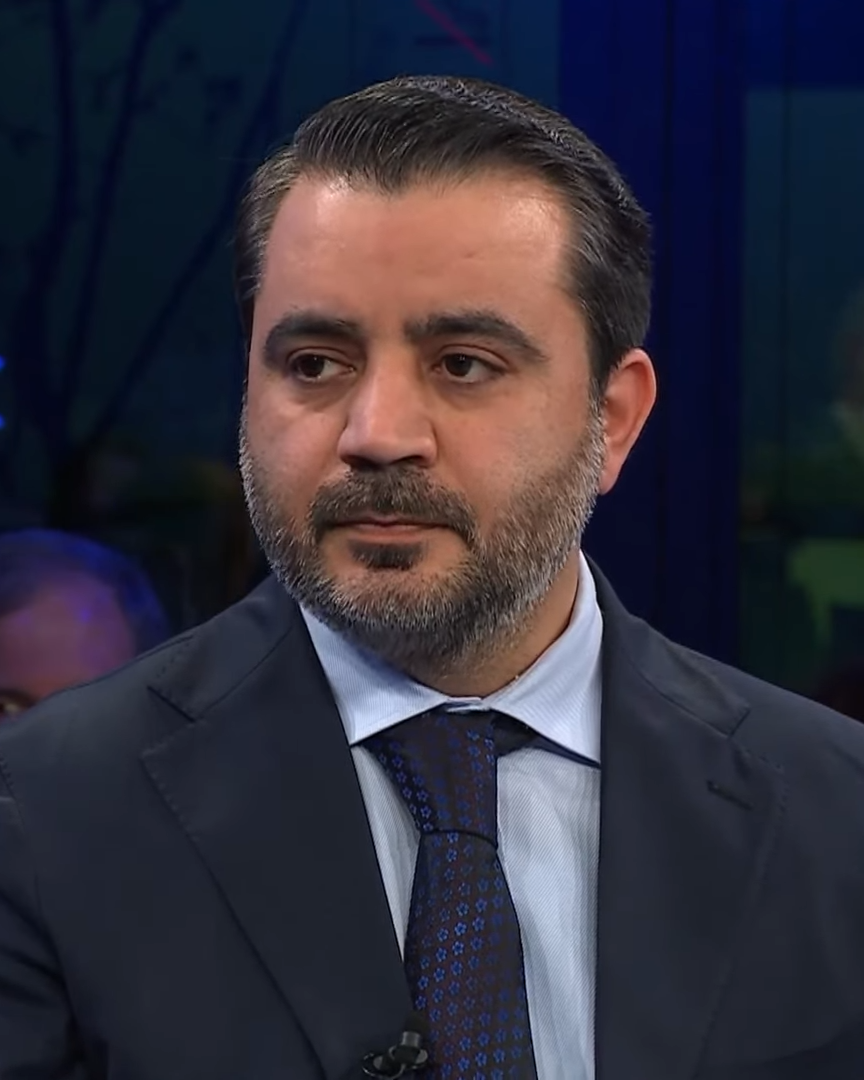
Raghad Bushnaq, a Syrian-American living in the US since 1989, recalled how embassy staff once spied on exiles. “And now we’re here, happy. It’s a historical moment. You can smell the freedom in Syria,” she told Anadolu. Ameer Alsamman, founder of the Syria Speaks podcast, said: “Today it’s a new chapter. Hopefully, Damascus and Washington will be working on a much better relationship.”

Shaibani also met with U.S. Deputy Secretary of State Christopher Landau and other senior officials. Talks covered future Syrian-American relations, Israel, and the March 10 agreement to integrate the Syrian Democratic Forces into state institutions. Landau called it a “historic opportunity” for Syria to build a peaceful and sovereign future.
MI6 contact with HTS
Subscribe to our newsletter and stay updated on the latest news and updates from around the Muslim world!
As Syria rebuilds official ties, Britain has acknowledged discreet contacts with Hayat Tahrir al-Sham (HTS) prior to Assad’s overthrow. Outgoing MI6 chief Sir Richard Moore said London “forged a relationship with HTS a year or two before they toppled Bashar al-Assad,” which helped ease Britain’s diplomatic return to Syria.
HTS was formally dissolved after its leader Ahmad al-Sharaa assumed the presidency in January, though several of its former members now hold senior posts in the transitional authorities. Britain restored official relations in July, when Foreign Secretary David Lammy visited Damascus, the first such trip in 14 years.
The admission shows how MI6 positioned Britain to re-engage with Syria by opening channels to groups that would later shape the country’s new leadership. However, HTS remains a designated terrorist organisation in the UK and the U.S.
Security talks with Israel
President al-Sharaa has also confirmed direct talks with Israel. He said negotiations were a “necessity” and could yield results “in the coming days,” though he dismissed any discussion of full normalisation. He emphasised that any agreement must respect Syria’s territorial integrity and be monitored by the United Nations.

The Syrian leader added that Israel has carried out more than 1,000 air strikes and 400 ground incursions since Assad’s departure, describing them as “very dangerous”. Recent months have seen Israeli raids on Damascus’ Ministry of Defence, support for Druze militias in Suwayda, and troop movements in Deraa. Israel has framed these actions as defence of the Druze, while highlighting al-Sharaa’s past militant affiliations.
Axios reported that Israeli demands include a demilitarised zone southwest of Damascus and a no-fly zone, in exchange for withdrawing from most recently seized Syrian land, except for an outpost on Mount Hermon. Al-Sharaa confirmed Israel’s intention to remain on the mountain but insisted Syria sought an arrangement similar to the 1974 disengagement accord. He revealed that both sides were “four to five days” away from a deal before July’s violence in Suwayda derailed progress.
The role of the U.S.
The U.S. has acted as a mediator, though Al-Sharaa stressed that Washington had not pressured Syria into concessions. Instead, it has sought to facilitate talks aimed at reducing conflict and restoring a measure of security. For Syria, the negotiations are fraught: reaching a limited accord with Israel could ease pressure, but the cost may be restrictions on its military presence near the occupied Golan Heights.
At the same time, revelations of MI6’s dealings with HTS raise concerns over the credibility of Western engagement. The possibility that foreign intelligence services shaped Syria’s transition lingers over its attempts to present itself as independent and sovereign.
As embassies reopen and officials travel abroad, the mood among Syrians is one of guarded optimism. The collapse of the Assad regime brought an end to decades of repression, but the new leadership faces the challenge of navigating alliances with former enemies and wary neighbours.
For Syrians abroad, the sight of their flag raised once again in Washington was a reminder of both sacrifice and survival. For Syrians at home, the promise of reform and international recognition offers hope after years of war. Yet the realities of diplomacy across regional and international arenas mean that sovereignty and stability will be contested at every step.