The UK has decided to bar Israeli officers from attending the Royal College of Defence Studies (RCDS), one of its most prestigious military institutions.
The Ministry of Defence confirmed the decision, which will take effect next year, citing Israel’s conduct in Gaza as the reason.
This marks the first time Israeli personnel have been excluded from the college since its founding in 1927 under Winston Churchill.
The RCDS has historically trained senior military officers and officials from around the world, fostering international cooperation and strategic understanding.
A Ministry of Defence spokesperson described Israel’s actions in Gaza as “wrong” and said withholding access was the government’s response.

Israel has criticised the move strongly. Amir Baram, Israel’s Defence Ministry director general and RCDS alumnus, called it “a profoundly dishonourable act of disloyalty to an ally at war.”
Baram also described the ban as “discriminatory” and “a disgraceful break with Britain’s proud tradition of tolerance and plain decency.”
Subscribe to our newsletter and stay updated on the latest news and updates from around the Muslim world!
RCDS and Israeli officers
Israeli army officers have continued to study at the RCDS throughout Israel’s genocide campaign in Gaza.
At least two colonels attended the RCDS between 2023 and 2024. One officer, Colonel Elad Edri, graduated this summer.
Another officer, Yeftah Norkin, completed the course in July 2024 and immediately commanded a frontline division during Israel’s Lebanon invasion.

Norkin comes from an influential military family and previously commanded units during Israel’s 2008-9 Gaza war, which caused extensive civilian casualties.
The RCDS, originally the Imperial Defence College, is based in Belgravia, central London, and is widely regarded as one of Britain’s most prestigious military academies.
From its Georgian headquarters, the college trains “rising stars” among mid-ranking officers aiming for the highest positions in military command.
It describes itself as “a world-renowned institution committed to developing strategic thinkers capable of reaching the highest ranks.”
Alumni include Major General Hidai Zilberman, former IDF spokesperson and Israeli defence attaché to the US, and General Harel Knfao, ex-Chief of Staff of Israel’s Southern Command.
The RCDS also welcomed senior staff from Israel’s National Defence College (INDC), which prepares IDF officers and government officials for senior command.
Some INDC alumni trained at the RCDS have gone on to fight in Gaza, including Colonel Ahsan Daksa, killed in Jabalia in October 2024.
Broader implications
Former brigadier John Deverell wrote to the Prime Minister urging a halt to all UK-Israel military collaboration, including RCDS training.
Deverell argued that British training effectively provides a “fig leaf” of approval for IDF operations.
Retired generals Charlie Herbert and Rory Stewart also criticised ongoing RCDS training of Israeli officers, arguing it discredits the UK Armed Forces.
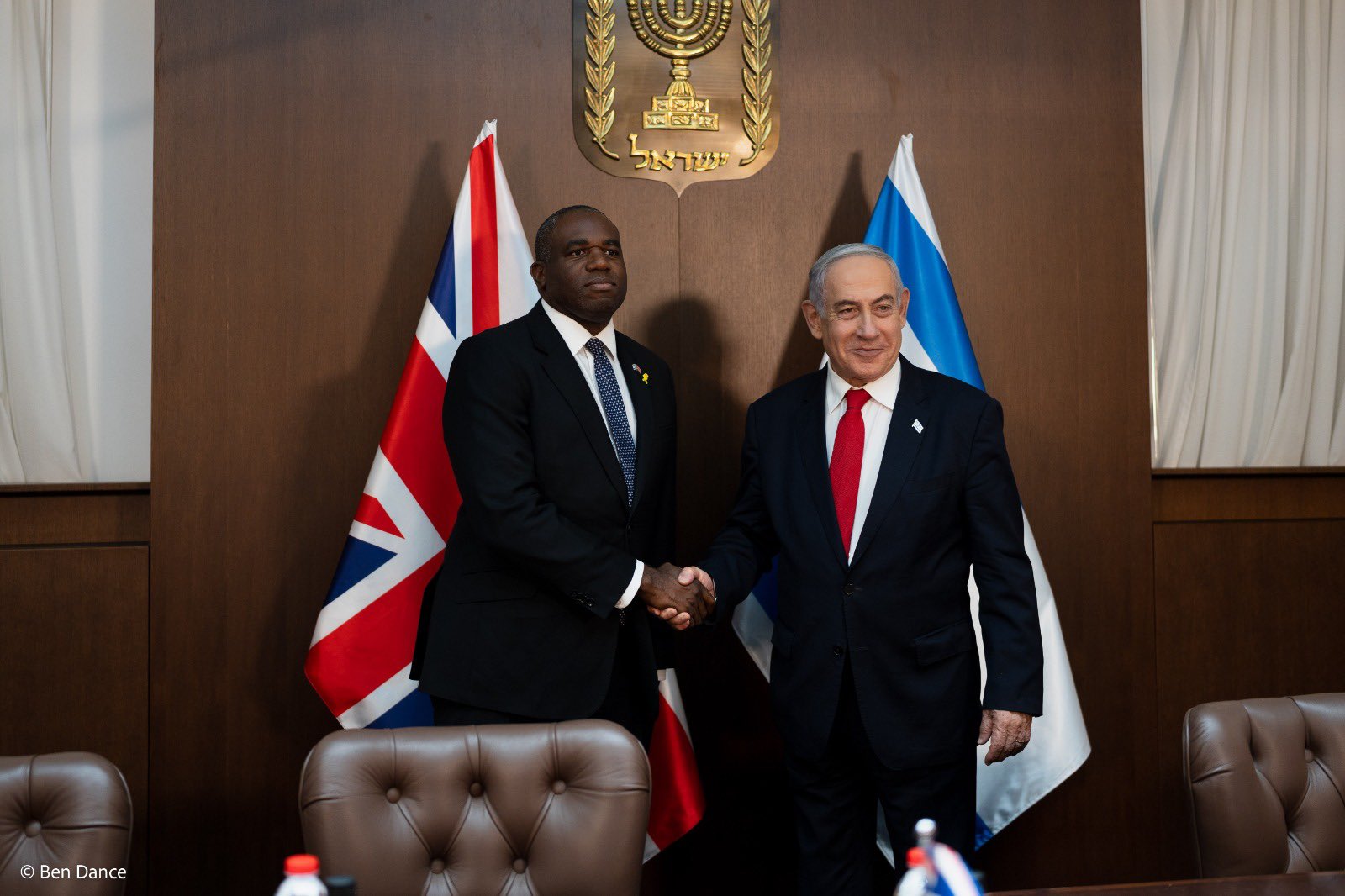
Labour MP David Lammy defended the courses, stressing their focus on international humanitarian law, despite wider concerns over Israel’s military actions.
Israeli officers have also received training in the U.S., a factor the Foreign Office has used to justify arms exports.
Officials previously cited similar training programmes for Saudi troops during the Yemen war to defend UK weapons sales.
The UK government’s decision to bar Israelis from the RCDS marks a break with tradition.
Critics argue it is less about principle and more a response to public and political pressure over Israel’s actions in Gaza.
However, Declassified UK’s in-depth reporting on the scandal was instrumental in exposing the RCDS’s troubling actions to the public.”
Without pressure from the public over the college’s training of IDF generals, the issue would have escaped scrutiny and accountability.
Therefore, many see the move as symbolic, aimed at signalling disapproval without addressing wider military cooperation or even arms sales.
Questions remain over how much substantive change this truly represents.