



Iran has faced criticism for the “undignified” large-scale expulsions of hundreds of thousands of Afghans during the height of summer, in a policy that has accelerated since the 12-day war with Israel.
More than half a million Afghans have been expelled from Iran in the 16 days since the conflict with Israel ended, according to the United Nations, raising serious alarms over what may be one of the largest forced movements of a population this decade.
The International Organisation for Migration (IOM) has said 508,426 Afghans have left Iran via the Iranian-Afghanistan border between June 24 and July 9.
A startling 33,956 crossed Wednesday and 30,635 on Tuesday, after a peak of 51,000 on Friday, ahead of a Sunday deadline from Iran for undocumented Afghans to leave.
The deportations – part of a program Iran announced in March 2025 – have radically increased in pace since the 12-day conflict with Israel, fuelled by claims that Afghans had spied for Israel prior to and during the attacks.
Little hard evidence has emerged to support claims of Afghan migrants assisting Israel, however, the narrative alongside pre-existing desires in Tehran to sharply reduce the number of Afghan immigrants in Iran has led to the currently harsh deportation strategy.

Amy Pope, the Director General of UN Migration, expressed concern at the unfolding situation: “The scale of returns is deeply alarming and demands a stronger and more immediate international response.”
Subscribe to our newsletter and stay updated on the latest news and updates from around the Muslim world!
A response has yet to come from Tehran regarding the criticism, however, Iran has expressed frustration at the lack of support has received from the UN in dealing with an Afghan refugee crisis, highlighting Iran’s burden of hosting over six million Afghans.
Afghan suffering
The surge comes in the wake of separate efforts by Iran and Pakistan to expel undocumented foreigners, with both countries imposing deadlines and warning of deportation for those who fail to leave voluntarily.
According to the UN refugee agency UNHCR, over 1.2 million Afghans have returned or been forced to return from Iran and Pakistan so far this year.
Alarm has been raised over the suffering the forced expulsions have caused on the Afghan families moving vast distances during the height of summer.
Mihyung Park, chief of mission for the UN’s international organisation for migration, told CNN on Tuesday: “There are thousands of people under the sun – and you know how hot Herat can be. It is quite dire. Last week was quite massive.”
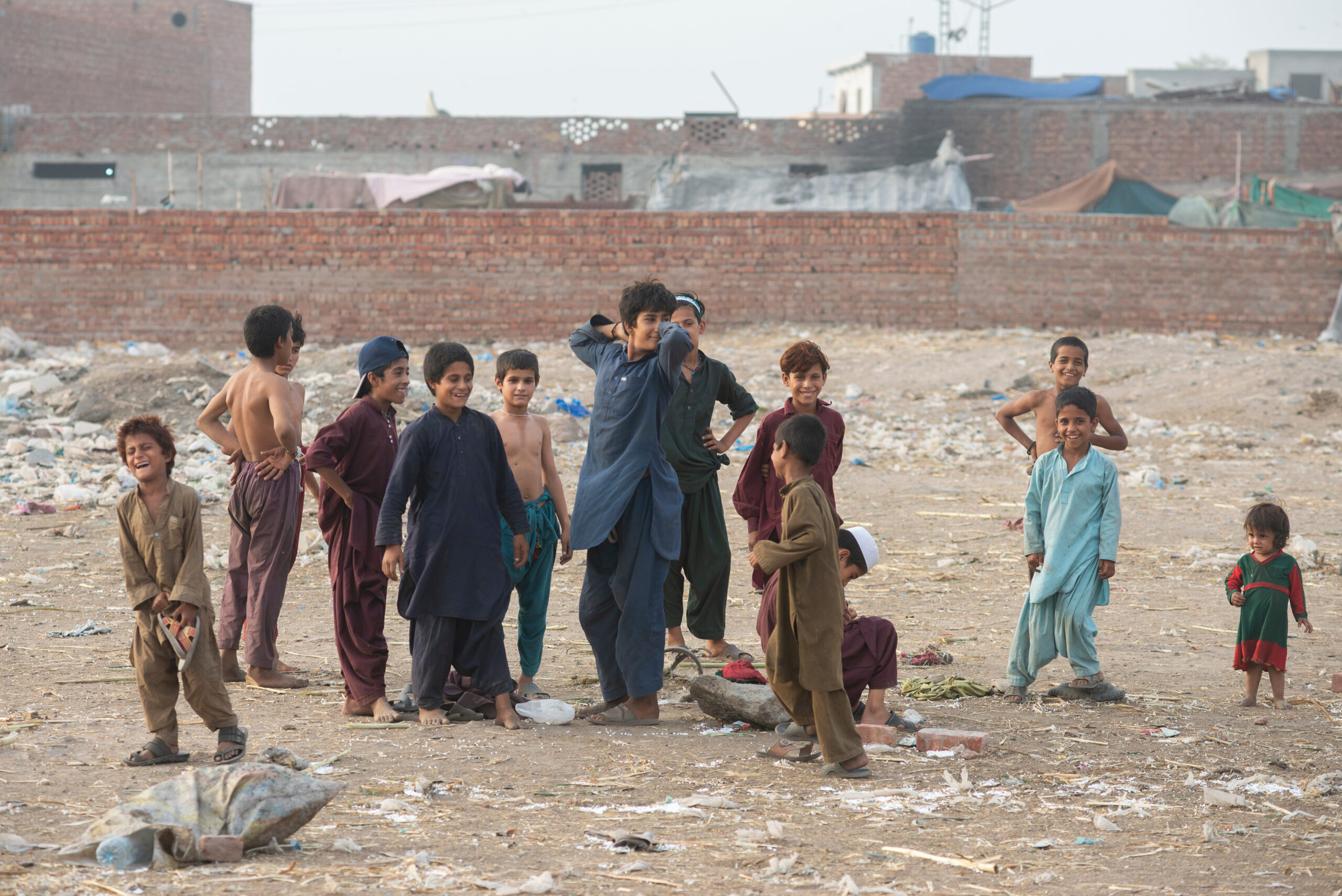
Park said half of the year’s returnees had arrived since June 1, with 250,000 in one July week.
“Last week it was about 400 unaccompanied, separated children – that is a lot,” she added.
Conditions for returnees are stark, with temperatures as high as 104 degrees Fahrenheit, or 40 degrees celsius, with reception centres on the Afghanistan border struggling to cope with the number of arrives.
Food, water and other vital products are in limited supply with aid agencies warning of dire shortages.
On July 4, UN experts urged Iran to choose “protection over repression” after the ceasefire with Israel, expressing concern over reports of executions, enforced disappearances, and mass arrests of minorities since hostilities began on 13 June 2025.
Afghanistan’s response
The Afghan Interim Administration of the Islamic Emirate of Afghanistan urged Iran on Thursday to see the return of Afghan refugees is done with “gradualism, dignity, and in conformity with the principles of good neighbourly relations.”
“In accordance with the Islamic Emirate of Afghanistan’ responsibilities concerning Afghan refugees, we have consistently urged the Iranian authorities to ensure that the deportation process is implemented with gradualism, dignity, and in conformity with the principles of good neighbourly relations,” according to a statement by the interim prime minister’s office.
It pressured Iran to abstain from actions “that may infringe upon the rights or dignity of Afghan refugees” so they can properly repatriate their property and financial assets with adequate facilities at refugee transit centres.
The statement noted that the refugees experienced hardships under extreme heat, but also praised Iran’s efforts to repatriate them.
Following the liberation of Afghanistan from Western occupation, the leadership of the Islamic Emirate of Afghanistan has urged Afghans living abroad to return home and help rebuild the war-torn country.
Although the large scale return of Afghans is welcomed by Kabul, the Islamic Emirate is struggling to process the massive movement of people over a short time frame.
Complaints of mistreatment and racism by Afghans living in both Iran and Pakistan has been widespread.