




More than 250 people, including Rohingya Muslims and Bangladeshi nationals, are feared dead after an overcrowded boat capsized in the Andaman Sea while attempting to reach Malaysia, according to UN agencies.
The vessel is believed to have set off from Teknaf in southern Bangladesh, near the sprawling refugee camps of Cox’s Bazar, where over a million Rohingya have been living in harsh conditions after fleeing persecution in neighbouring Myanmar.
In a joint statement, the UN refugee agency and the International Organization for Migration said the trawler sank amid rough seas, strong winds and severe overcrowding.
The exact number of passengers remains unclear, but estimates suggest between 250 and 280 people were on board, including women and children.
As of Wednesday, there was no clear confirmation of large-scale rescue operations, raising fears that the death toll could be significant.

Desperate journey for survival
Those on board were driven by desperation.
Subscribe to our newsletter and stay updated on the latest news and updates from around the Muslim world!
Many Rohingya families in Bangladesh have spent years in overcrowded camps with little access to education, work or basic services. With aid cuts worsening conditions, increasing numbers are turning to dangerous sea routes in search of a better future.
Malaysia, a Muslim-majority country with an existing Rohingya community, is often seen as a place of hope.
The Rohingya are a persecuted Muslim minority from Myanmar’s Rakhine State. In 2017, a brutal military crackdown forced more than 700,000 to flee into Bangladesh in what the United Nations described as ethnic cleansing. Nearly a decade later, most remain trapped in limbo.
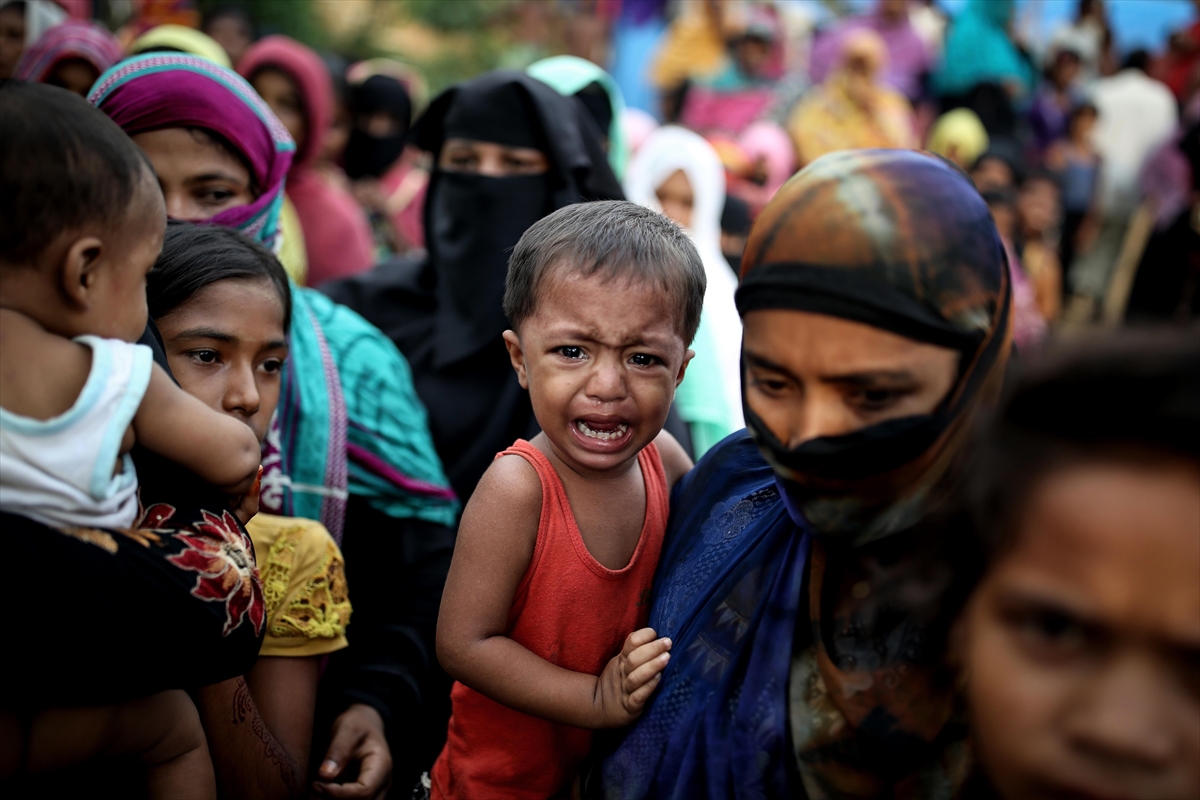
Aid agencies warn that the lack of long-term solutions is pushing more people into the hands of traffickers, who promise jobs and safety abroad but often deliver exploitation and abuse.
“This tragedy shows the human cost of years of displacement,” the UN agencies said, calling for urgent international support.
“People were dying before the boat sank”
Survivors who were pulled from the sea have begun recounting the horror.
Rafiqul Islam, one of the few rescued, said he had been promised work in Malaysia. Instead, he found himself packed into a suffocating space below deck.
“We were kept in a holding area on the trawler. Some people died there,” he said. “I was burned when hot engine oil spilled.”
According to his account, the boat drifted for days before capsizing. Food and water were scarce, and conditions quickly turned deadly.
“People were already dying before the boat sank,” he added.
Other survivors described clinging to floating debris, including plastic drums and broken wooden planks, for hours in open waters before being rescued.
The Bangladesh Coast Guard confirmed that a small number of people had been found drifting at sea. Some of those rescued are also being questioned over suspected links to trafficking networks.
A crisis that keeps repeating
The tragedy is the latest in a long line of deadly sea journeys involving Rohingya refugees.
Every year, thousands attempt to cross the Bay of Bengal and Andaman Sea in fragile, overcrowded boats. Many never make it.
Human rights groups have repeatedly warned that worsening conditions in refugee camps, combined with restrictions on movement and employment, are fuelling these dangerous journeys.
At the same time, ongoing violence and instability in Myanmar’s Rakhine State mean that safe return remains impossible for most families.
UN agencies have urged the international community to increase funding for refugee support and create viable resettlement pathways, warning that without action, such disasters will continue.
For Rohingya Muslims, the choice remains painfully limited: they must either endure a life of uncertainty in overcrowded camps or risk everything on a journey that too often ends in tragedy.