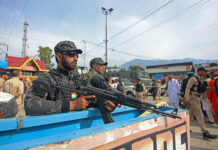



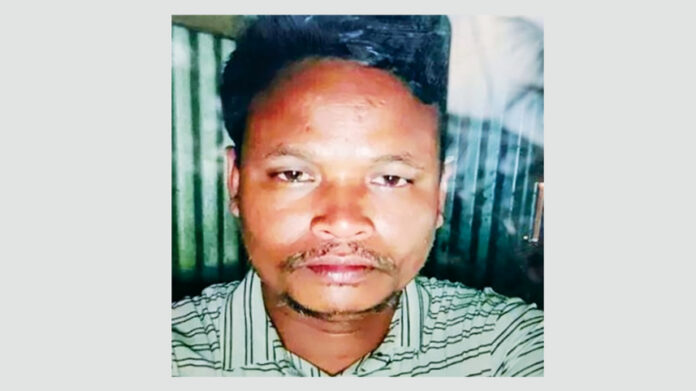
A 41-year-old Bangladeshi man was killed by India’s Border Security Force (BSF) after he was shot for allegedly crossing into Indian territory along the Dhabolguri border, according to officials from Bangladesh.
The man, identified as Mr Ali Hossain, was from Lalmonirhat district in northern Bangladesh, a region close to the long and heavily guarded frontier with India.
Officials from India’s BSF said Hossain was part of a group of seven to eight people who illegally crossed the “zero line” late at night into Indian territory.
The “zero line” in India refers to the actual boundary line that separates India from a neighbouring country, in this case, Bangladesh. It’s essentially the international border itself, as officially defined by maps and agreements.
The group allegedly moved around 500 metres into Indian territory and attempted to cut through a barbed-wire fence that runs along much of the border.

According to Lt Col Syed Fazle Munim of Border Guard Bangladesh, Indian troops initially fired blank rounds as warning shots.
“When they did not retreat, BSF personnel opened fire. One man was hit while the others fled,” he said.
Subscribe to our newsletter and stay updated on the latest news and updates from around the Muslim world!
Hossain was later taken to a hospital in India, where he was declared dead. His body remains in India, with officials from both sides holding talks for its return.
The India-Bangladesh border stretches over 4,000 kilometres, making it one of the longest land borders in the world. Large sections are fenced, but crossings – both accidental and intentional – remain frequent.
Many residents on both sides live close to the border, often relying on farming and cattle grazing. In some cases, villagers cross unknowingly or for daily livelihood activities, leading to tense encounters with border forces.
Data from India’s Home Ministry shows that more than 1,100 so-called “infiltration attempts” were recorded between January and November 2025, with over 2,500 people arrested for entering without documents. Since 2014, tens of thousands have reportedly been detained along the border, the majority on the Bangladesh frontier.
Human rights groups have repeatedly raised concerns over the use of lethal force against unarmed civilians along the India-Bangladesh border.
Tensions and recent incidents
The killing follows a similar incident in December 2025, when two Bangladeshi nationals were shot dead by Border Security Force personnel along the Nadia border in India. The incident was previously reported by 5Pillars, highlighting a recurring pattern of fatal shootings along the frontier.
The shooting comes days after another Bangladeshi man was injured by rubber bullets after reportedly crossing into India while cutting grass for cattle.
That incident sparked anger among locals in Bangladesh, who briefly detained an Indian national and his livestock before releasing them following talks between border forces.
The latest killing coincides with a visit by Bangladesh’s foreign minister, Khalilur Rahman, to India, the first high-level bilateral engagement since political changes in Dhaka earlier this year.
Officials from both countries are currently engaged in a “flag meeting” to address the incident and arrange the repatriation of Hossain’s body.
The case is likely to add further strain to an already sensitive border, where repeated shootings and long-standing human rights concerns continue to cast a shadow over relations.