


A UK judge has quashed a summons brought by the pro-Israel pressure group Campaign Against Antisemitism (CAA) against a comedian, calling the prosecution “abusive” and aimed at having the artist “cancelled.”
The ruling deals a massive blow to the CAA’s already tarnished reputation, after the charity was accused of misleading the court and hiding key facts.
District Judge Michael Snow at Westminster Magistrates’ Court said CAA’s true motive was to have comedian Reginald D Hunter “cancelled.”
CAA had claimed Hunter sent offensive posts on X to pro-Israeli activist Heidi Bachram on three occasions between August and September 2024. But the judge found their case summary “misleading and partial.”
He said the charity failed to disclose extensive tweets by Bachram directed at Hunter just before the complaints.

Hunter’s lawyer argued the private prosecution lacked candour and amounted to a misuse of the legal system for political ends.
According to the ruling, CAA even failed to disclose that, since November 2024, the charity had been under a compliance investigation by the Charity Commission.
Subscribe to our newsletter and stay updated on the latest news and updates from around the Muslim world!
The judge said that, prior to granting such summonses, courts must have a full and honest account. In this case, CAA “did not play straight”.
The case
Reginald D Hunter is a U.S.-born stand-up comedian and television personality who has lived and worked in the UK for more than two decades.
Hunter’s comedy style is deliberately provocative and often tackles race, religion, politics and hypocrisy.
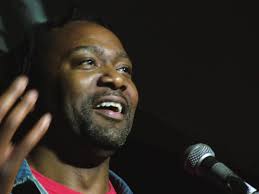
He has frequently criticised Israel’s actions in Gaza and challenged pro-Israel narratives in public commentary and on social media.
The court papers showed the dispute did not arise in isolation.
Hunter and Bachram had been involved in a heated exchange on X for several days before the complaints were made.
Bachram is a well-known pro-Israel activist who frequently engages critics of Israel online and reports accounts she considers abusive.
Truth of the case
The judge noted that the exchange resembled a political argument rather than one-sided harassment. He said the failure to disclose Bachram’s repeated posts deprived the court of essential context.
Legal observers say this omission significantly weakened the credibility of CAA’s claim that Hunter was the sole aggressor.
CAA describes itself as “dedicated to exposing and countering antisemitism through education and enforcement of law”, though in reality it acts as a Zionist pressure group to censor pro-Palestine voices and platforms.
Hunter’s legal team says this case shows that these prosecutions risk becoming tools to silence dissent or satire.
Denying full context, using private prosecution powers, challenges free expression.
Hunter himself took to Instagram after the ruling, saying: “I sure hope I’m employable again!” and thanking his legal team.
He also raised more than £58,000 via crowdfunding to cover his legal costs.
CAA background
This is not the first time CAA has faced criticism for its legal approach.
The organisation has previously pursued or supported cases involving academics, journalists, students, activists and artists accused of antisemitism.
Some cases have collapsed or been dropped after legal challenge, with defendants arguing that free expression was being criminalised.
Over the past years, CAA has used private prosecutions to pursue alleged hate speech under UK law.
But this ruling puts a spotlight on past and future cases.
Judge Snow suggested courts must be wary when charities with possible political motives use criminal process powers.
Some within legal and civil liberties circles see this outcome as a warning that misuse of the legal system for political ends may lead to stricter scrutiny and perhaps calls for reform of private prosecution rules.
The verdict not only clears Hunter, it sets a legal precedent.
Charities like CAA may now face a higher threshold before courts accept private prosecutions, especially where the context suggests political or satirical speech rather than clear hate crime.
Lawyers and rights groups may use this case to argue for tighter controls on who can launch private prosecutions, to prevent courts becoming instruments for “cancelling” people or silencing dissent.
For Hunter, the ruling restores his legal standing. For CAA, it is another reputational blow, with further questions being raised about its tactics and transparency.