A senior Metropolitan Police officer has been dismissed following a misconduct hearing into a series of social media posts deemed “antisemitic”, including one where the officer compared Palestine in 2024 to a Holocaust concentration camp.
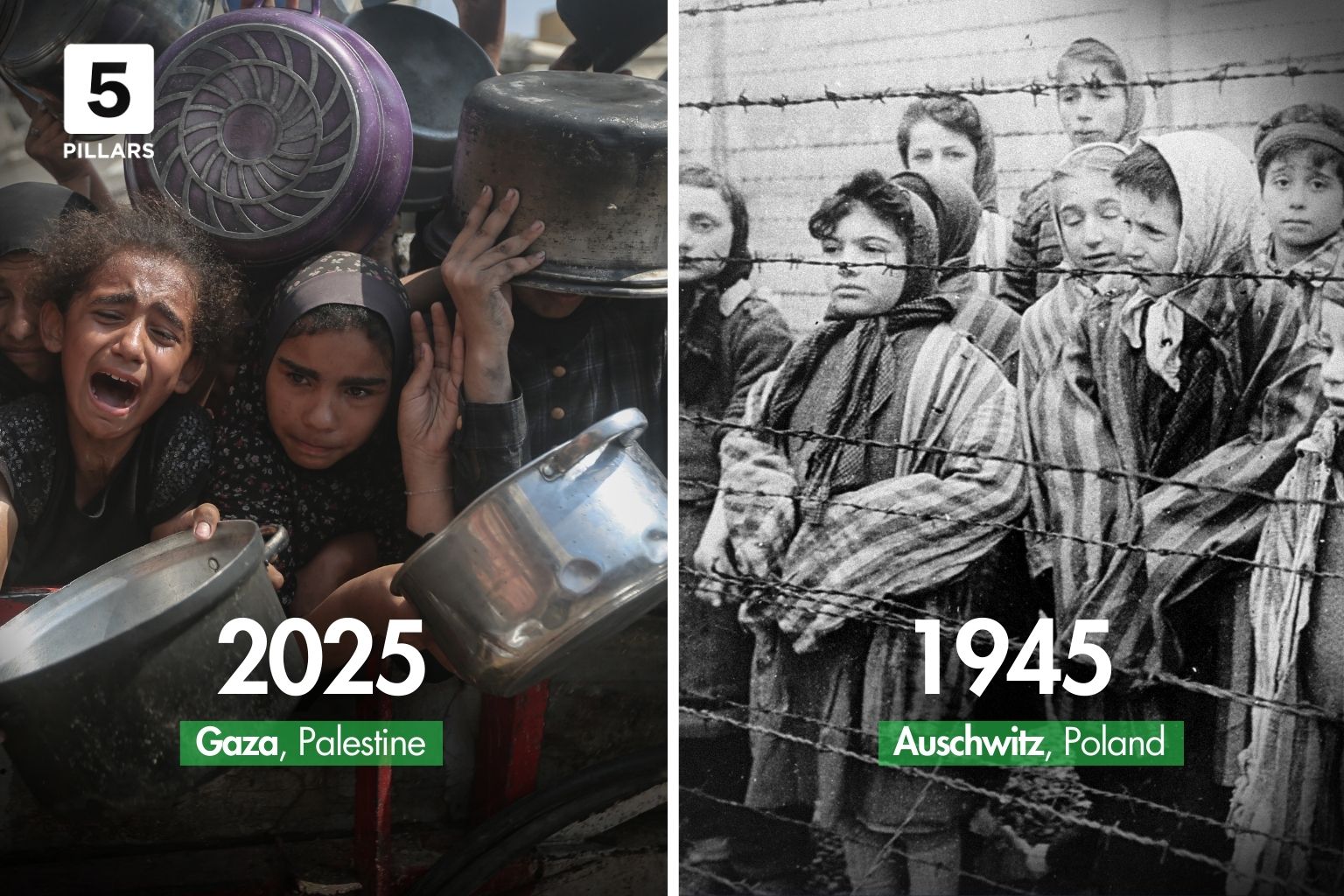
Met police detective sergeant Rebecca Collens, who served in the Road and Transport Policing Command, shared an image on her personal social media comparing the genocide in Gaza to the Holocaust.
The image was labelled “Palestine 2024” alongside what appeared to be a World War Two concentration camp labelled “Germany 1945”. The caption of the post read: “The world said never again and here we are again 79 years later.”
Collens commented on the post: “A classic case of the abused becomes the abuser… no?”
The police misconduct panel findings concluded that Collens’ social media activity was considered “gross misconduct” and that the sharing of the post was both politically charged and deemed antisemitic.

According to the panel, Collens accepted that the use of the word “abused” would refer to the Jewish people rather than the State of Israel, which didn’t exist in 1945. Therefore, the post fell under the heavily-criticised International Holocaust Remembrance Alliance (IHRA) definition of antisemitism.
The misconduct panel found that Collens’ Instagram activity, although posted on a private account with just over 100 followers, violated professional standards of impartiality on political matters and was considered to undermine the Met’s public reputation.
Subscribe to our newsletter and stay updated on the latest news and updates from around the Muslim world!
Misconduct findings
According to the Police (Conduct) Regulations 2020 ruling, Collens repeatedly reposted images and commentary on her private Instagram account that expressed “one-sided views” on the war in Gaza following October 7, 2023.
According to the document: “She posted overtly political material about the Gaza conflict at a time of “heightened public controversy.”
“At least one post drew an explicit comparison between events in Gaza and the Holocaust using language that the panel found met the International Holocaust Remembrance Alliance (IHRA) working definition of antisemitism.”
The decision to dismiss her over her social media activity was framed as “necessary” to preserve public confidence in the police.
Nature of the posts
The posts which the police report references were collectively deemed as “overly political”, and the panel found that they demonstrated a lack of impartiality following the events of October 7, 2023.
The report stated: “In comments and reposts, she described Israel as one of the world’s most powerful militaries and used the term ‘genocide’ to describe the Gaza conflict.”
“Another post compared daily child fatalities in Gaza to those in Auschwitz.”
On a separate occasion, she shared a post which said: “Israel bombed the international airports of Aleppo and Damascus in Syria, forcing them out of service. Bombing civilian airports in Syria. Massacring entire families in Gaza. Dropping white phosphorus on Lebanon and Gaza. This is the Israel that Western media tells you is a ‘victim,’” according to Met police.
Collens also allegedly shared a post criticising a potential ban on a march calling for a ceasefire in Gaza, saying: “God forbid people protesting against war/war crimes/genocide for a ceasefire on a day where we remember the devastation of every day during a world war… make it make sense!”
Collens’ reasoning
During the hearing, Collens acknowledged posting most of the content but denied that her intention was to offend or be disrespectful towards any group.
Collens told the panel her posts were motivated by distress over civilian suffering, particularly among women and children in Gaza, and grief following personal loss.
She expressed remorse for a specific post she now recognised was inappropriate and had deleted it shortly after posting.
However, the panel rejected arguments that her conduct was protected as free expression, noting police officers are subject to strict professional standards.
In recent years, the Met’s handling of protests over the Israel–Gaza conflict has also faced criticism and legal scrutiny, including claims of uneven policing and mass arrests at pro-Palestine demonstrations, especially over the proscription of Palestine Action.