
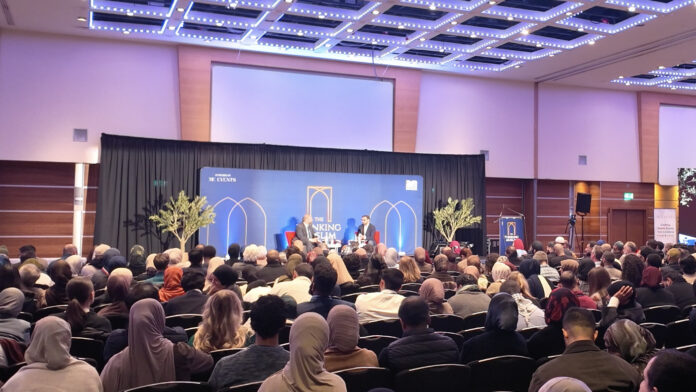
Muslim intellectuals, activists and influential religious figures descended on London for the first Thinking Muslim Conference, tackling the growing challenges confronting the Ummah and debating how Muslims can respond to mounting political and intellectual pressures.
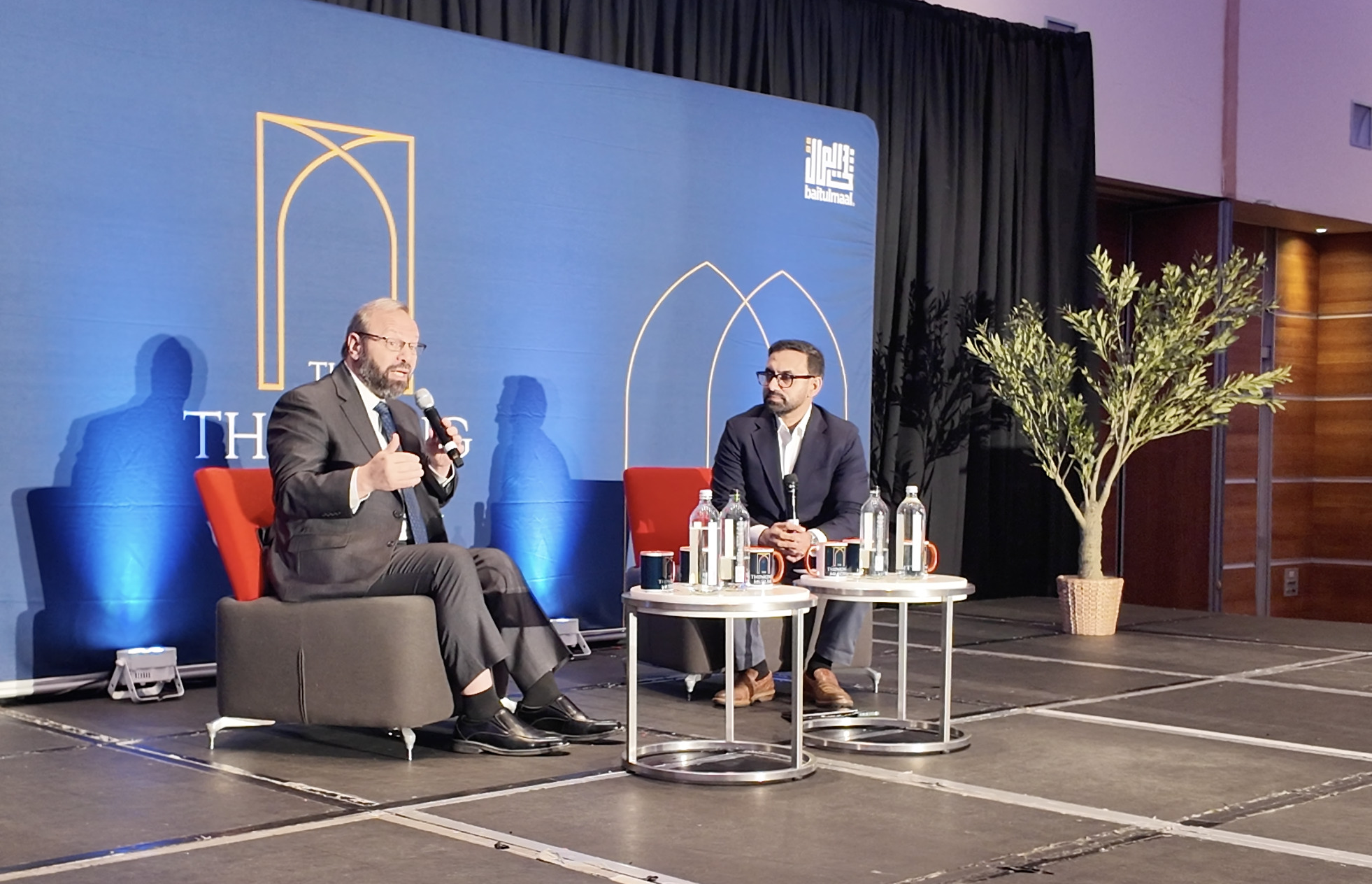
Hosted at the Novotel London West in Hammersmith, the event was the first interactive live conference organised by the popular YouTube platform Thinking Muslim, presented by Muhammad Jalal.
The podcast is known for interviewing intellectuals, activists and religious leaders about a wide range of issues affecting the Islamic world. The platform’s growing success inspired its organisers to host the landmark event.
Speakers at the conference included an array of international personalities, all of whom had previously appeared as guests on the podcast. They included Sami Hamdi, Dr Francesca Bocca-Aldaqre, Moazzam Begg, Paul Williams, Hasan Spiker and Imam Dawud Walid.
Topics discussed included: How can we have more impactful conversations online? How can we bring about meaningful change? And how can we effectively challenge injustice?

One of the speakers, Paul Williams, a dawah activist and presenter of the Blogging Theology YouTube channel, told 5Pillars:
“The conference is amazing, with thousands of people in attendance. This event has really raised the gold standard for Islamic conferences. The content, too, goes deep into the many issues facing our Ummah today, both intellectually and politically.”
Subscribe to our newsletter and stay updated on the latest news and updates from around the Muslim world!
Pressure from Islamophobes
The highly anticipated Islamic event faced opposition from several quarters, with Islamophobic activists and public figures expressing hostility towards the conference and some of its speakers.
Most notably, Conservative MP for West Suffolk Nick Timothy accused several attendees of having extremist links in a letter to the Home Secretary, urging the Home Office to investigate the event, review visas issued to guest speakers and address what he described as “security concerns”.
In a post on X, Timothy wrote: “London is hosting ‘The Thinking Muslim Conference’ this weekend. One speaker said he would be willing to carry out a suicide bombing. Another was described as a member of Al-Qaeda, and met the Taliban. I have written to the Home Secretary about the obvious security concerns.”
The conference organisers have rejected Timothy’s characterisation of the event and disputed the allegations made by the Conservative MP.
Timothy has repeatedly attracted criticism over his comments about Islam and British Muslims. These include describing public Muslim prayers as an “act of domination”, opposing an official definition of Islamophobia and claiming that government efforts to tackle anti-Muslim hatred risk introducing so-called backdoor blasphemy laws.
Combatting the rising hate
Islamophobic hate and the rise of the far-right remains an existential threat to Muslims living in the UK, Europe and America. One consequence has been the growing attempts by Islamophobic forces to restrict Islamic activism and prevent Muslims from expressing their right to free speech.
At the event, 5Pillars asked a number of expert panelists about this pressing issue.
Moazzam Begg from CAGE International told 5Pillars that although threats remain a constant the community mindset has changed and many Muslims are no longer afraid to speak up.
“Over the past 20 years, I’ve campaign against anti-terror legislation that affected almost exclusively Muslims. It was really hard to get rooms filled, conferences filled because of the fear that had been instilled into the community but that’s not the case anymore. Muslims are
active right across the board, whether it’s part of physical on-the-ground activism like with the Palestine Action issue or whether it’s Muslims going abroad to places like Syria and Afghanistan to aid in humanitarian causes or engage in journalism, Muslims are at the forefront. And they’re at the forefront because despite the fear, they’ve broken those barriers. They’re no longer afraid of the concept such as, ‘oh, you’re going be called an extremist and a terrorist if you continue.’ This is really positive to see and at such a highly successful event.”
Hasan Spiker, an Anglo-American philosopher and author, urged British Muslims to combat the rising anti-Islam sentiment in society with an intellectually minded dawah centric approach.
“We need to help English people to understand that this deen is a transformative path, and it’s something that is universal and everyone can benefit from it. But the reality is this is a country which has Christian roots. People have turned completely away from Christianity, and they’re now doing a kind of traditionalist Christian live action role-play, mostly because they’re envious of Islam. And we just have to face the facts that that’s happening now but the truth will prevail, and there are so many positive signs now, like this event.”
And Paul Williams, an English convert to Islam, expressed hope that the tide is turning as more people wish to assist Muslims in their fight against the far-right agenda.
“I think we need to be careful here because the ascendancy of the far right is real. The threat is real. But as we’ve seen recently in the United States, in states like Texas and others, we are seeing a pushback, and these are not necessarily Muslims, we have allies. We must remember we have allies outside of Islam, people who care about our rights and the rights of all people. So we must not give up hope. We never give up hope as Muslims, of course. Even in the political domain, there are people who will support us. Inshallah, it’ll happen here and across Europe as well.”