

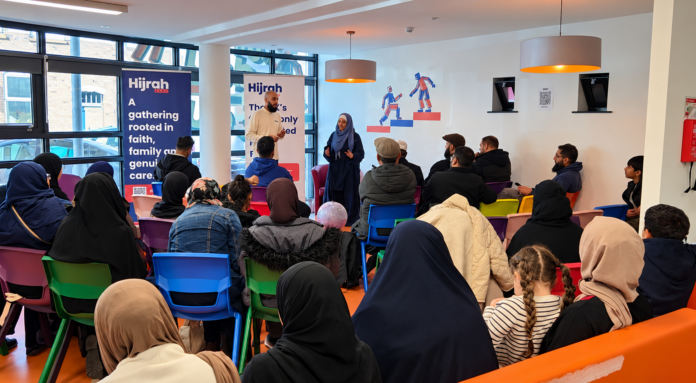
Muslims considering hijrah have been urged to examine their intentions carefully, prepare for personal sacrifices and understand the practical realities of relocating to a Muslim country at an expo held in Luton on Sunday.
Around 50 people attended the Hijrah Expo on Sunday, where speakers shared their experiences of moving abroad, including the spiritual rewards, cultural challenges, financial pressures and personal sacrifices involved.
The event focused on three central questions: Why do you want to make hijrah? What will life actually be like when you get there? And how can you prepare yourself and your family for the move?
Interest in hijrah has been growing among British Muslims, partly because of the natural desire to live in an Islamic environment, surrounded by mosques and opportunities to learn Arabic and the Quran.
But concerns about rising Islamophobia, the far-right, the cost of living and the unwelcoming political climate in Britain have also contributed to discussions about leaving the country.

A 5Pillars audience poll found that approximately 21% of respondents had a firm intention to make hijrah, while another 41% were considering it. 37% said they had no intention of leaving Britain.
‘Hijrah is not a magic solution’
Subscribe to our newsletter and stay updated on the latest news and updates from around the Muslim world!
One of the speakers, Aktar Ahmed, described how he fulfilled a lifelong ambition by moving to Riyadh, Saudi Arabia, after an unexpected work opportunity arose.
He had dreamed of living in an Islamic environment and strengthening his connection with the deen, but admitted that he had not been particularly well prepared for the move. And his greatest challenge turned out to be loneliness.
In Britain, Ahmed had been actively involved in community work and daw’ah, surrounded by family and friends. In Riyadh he found himself feeling isolated and without the same sense of purpose.
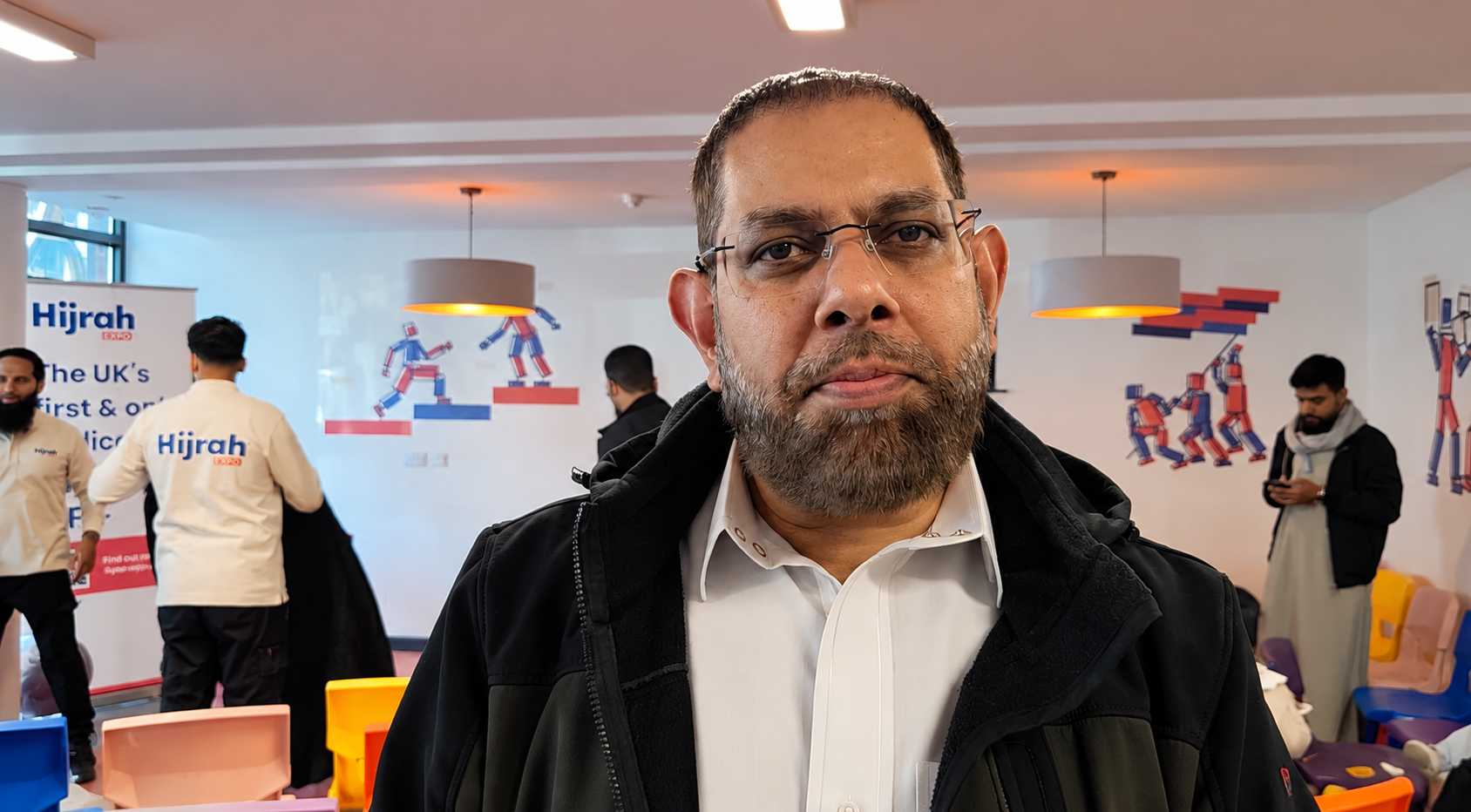
Despite holding a senior management position, he struggled with a workplace culture which he described as authoritarian, heavily influenced by nepotism and resistant to employees challenging their superiors.
He felt that he had gone from being a useful member of his community to an anonymous individual in a city of millions.
After a year, Ahmed returned to Britain. However, he does not regard the experience as a failed hijrah. Instead, he sees it as an education which taught him important lessons about himself, his faith and his priorities.
His central message was that hijrah is not a magical solution to life’s problems. And rather than simply asking where they would like to live, Muslims should ask themselves where they can best serve Allah.
Ahmed remains determined to make hijrah again if the right opportunity arises.
‘Hijrah requires sacrifice’
Imam Yusuf Abdul Jabbar, who has spent many years living in Saudi Arabia, the UAE and Türkiye, offered an equally frank assessment.
He revealed that he had missed his own mother’s janazah because he was living abroad and couldn’t get an exit visa on time, illustrating the painful sacrifices that can accompany hijrah.
He also warned Muslims against confusing a religious migration with a lifestyle upgrade. Moving abroad for a higher salary, luxurious accommodation or a five-star lifestyle is not, in itself, hijrah in the Islamic sense, he argued.
The fundamental intention should be to move for the sake of Allah and to protect or strengthen one’s religion. He said that many Muslims eventually returned to Britain because they had never properly understood why they were leaving in the first place.
Imam Yusuf also emphasised that hijrah must be a family decision, with husbands, wives and children prepared for the challenges ahead.
Drawing on eight years living in Madinah, he described both the extraordinary spiritual benefits and the everyday difficulties. Living close to Masjid al-Nabawi, learning Arabic and being immersed in an Islamic environment are enormous blessings.
However, he said Saudi society could be difficult for outsiders to penetrate, with local communities often keeping to themselves. Women in particular could experience isolation.
Other challenges included language barriers, cultural differences, discrimination, bureaucracy and concerns about schooling.
He also warned that expatriate life could be precarious, with residency often dependent on employment and the possibility of having to leave the country after losing a job.
British Muslims accustomed to the NHS and other public services could find themselves sacrificing comforts and stability they had previously taken for granted.
Nevertheless, he said the experience had taught him two particularly valuable Islamic qualities: sabr, or patience, and tawakkul, reliance upon Allah.
Twenty-five years of hijrah
One of the most striking accounts came from Anisa Kissoom, a Muslim convert who has spent around 25 years moving between different countries in pursuit of an Islamic way of life.
Having embraced Islam at the age of 15, she became determined not to spend her entire life in a non-Islamic environment in Britain. Her journey has taken her to Egypt, Qatar, Türkiye and Madinah, often with very little money.
She initially moved to Egypt alongside a community of like-minded Muslims, an arrangement which helped provide friendship, support and stability. Over the years, she has experienced repeated upheavals, including losing all her worldly possessions during an earthquake in Türkiye.
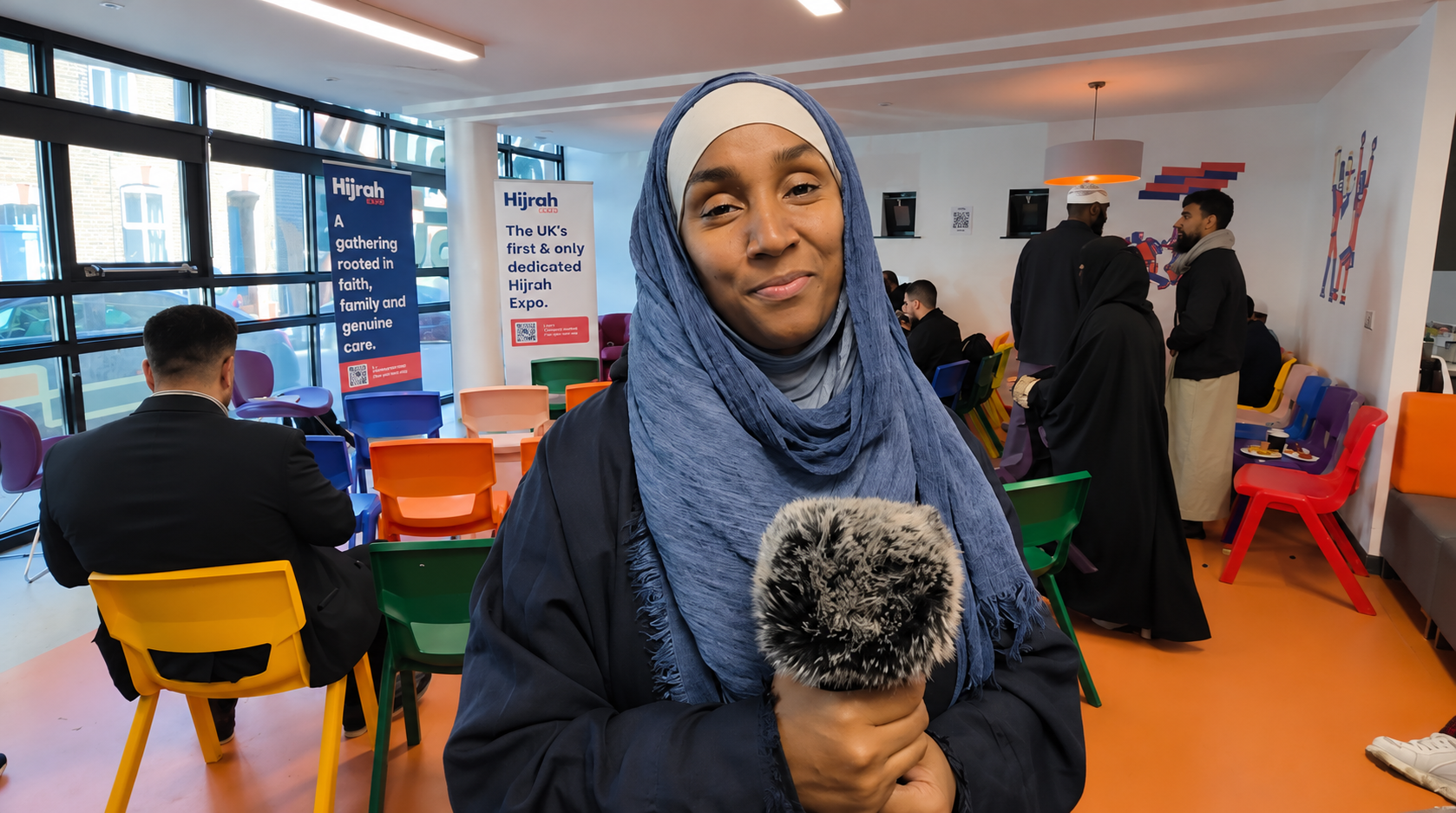
But rather than allowing those experiences to destroy her confidence, she said they had strengthened her reliance upon Allah and taught her to detach herself from material possessions. For example, after losing everything in Türkiye, another opportunity opened up for her to move to Madinah.
For Anisa, hijrah is not simply a relocation but a way of life rooted in faith, sacrifice and the understanding that worldly life is temporary. She believes her children and grandchildren have become more resilient because of the challenges they have faced.
Her overriding priority has been to preserve her own religion and that of her family, rather than pursuing wealth or material comfort.
She also expressed concern that Muslims growing up in Britain risk losing their Islamic identity, making life in a Muslim-majority environment particularly important to her.
Her advice to prospective migrants was to have faith in Allah, avoid being paralysed by fear and focus on serving others rather than simply pursuing personal comfort.
Glamourising hijrah?
Saudi Arabia featured prominently throughout the discussions, particularly because of the attraction of living near Makkah and Madinah. Other frequently discussed destinations included the Gulf states, Türkiye, Indonesia and Malaysia.
One attendee originally from Uganda also highlighted the possibilities offered by Africa. Although Uganda is not a Muslim-majority country, he said it had a strong Muslim community and could offer an excellent quality of life for those with sufficient financial resources.
Other potential destinations, including Bosnia, Oman and Morocco, were not explored in the same depth.
But the event’s host, Abdul-Wadud Ahmed, stressed that the purpose of the expo was not to glamourise hijrah.
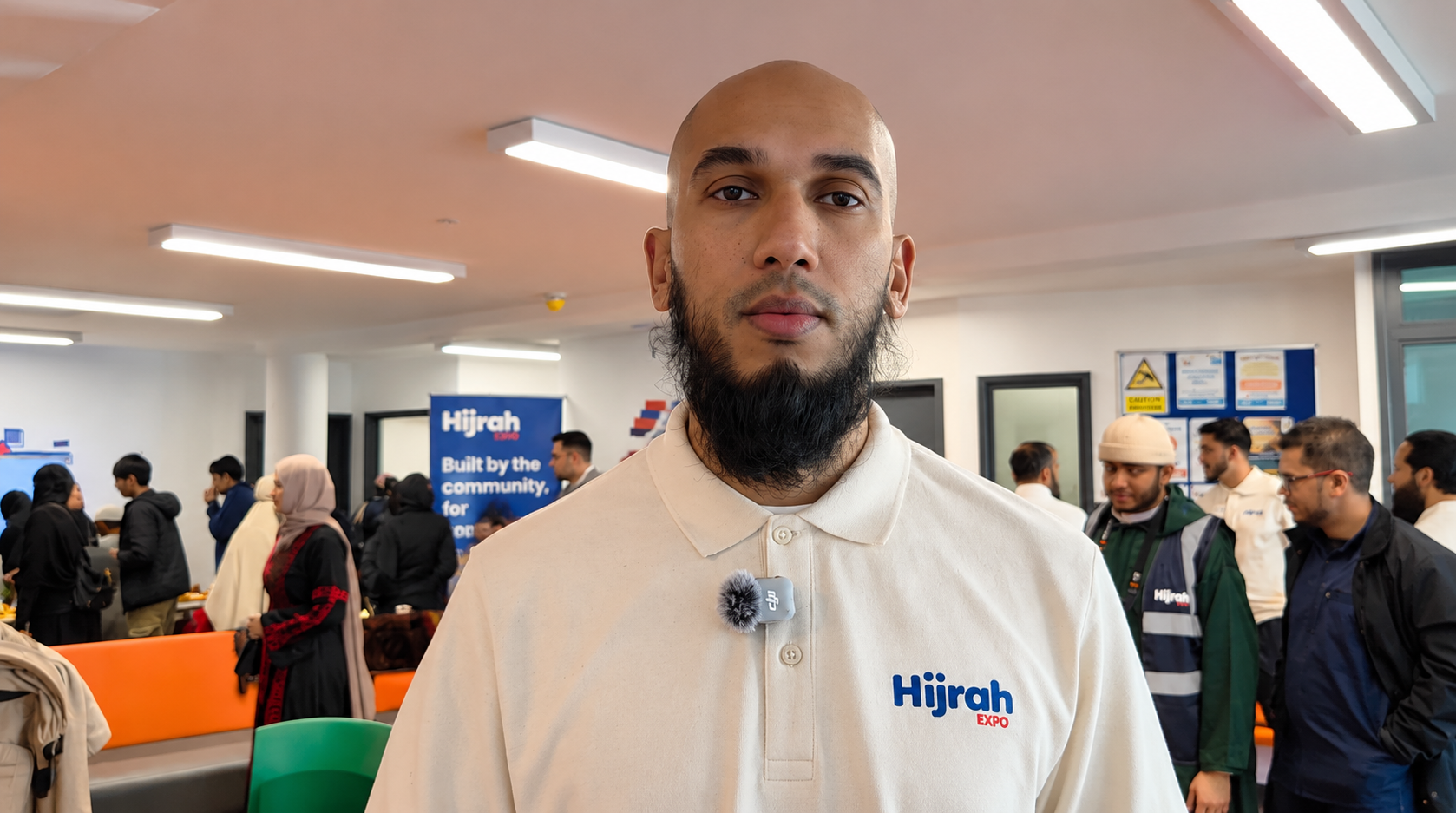
He explained that the idea for the Hijrah Expo came from a desire to complement the growing amount of online information about moving to Muslim countries with something more personal and community-focused.
“There are already plenty of YouTube videos, WhatsApp groups and online discussions about Hijrah, but I felt there was a gap when it came to bringing people together in person.
“I wanted to create something affordable, accessible and rooted in the community, rather than a big commercial event. That’s why we decided to hold it in a community space in Luton, my hometown, and make attendance free.”
He said the gathering was also intended to test whether there was sufficient demand for similar events in the future.
“The idea was to start small, see whether we could successfully organise an event, gauge the level of interest and listen to people’s feedback.
“Alhamdulillah, the response has been encouraging. There’s clearly an appetite for these kinds of gatherings, and insha’ Allah we intend to organise more events in the future and see how far we can take the idea.”
Abdul-Wudud Ahmed has himself spent time in Egypt studying Arabic and the Qur’an, as well as periods in Madinah and Indonesia.
Of the countries he had experienced, Indonesia particularly impressed him. He praised the humility, manners and strong sense of community among Indonesians, suggesting that the country could become his eventual hijrah destination.
Faith, intention and preparation
Throughout the event, a consistent message emerged: hijrah should neither be romanticised nor dismissed.
Speakers acknowledged the attraction of living in a Muslim-majority country, but warned that such societies have their own problems, including difficult working environments, bureaucracy, social isolation and financial insecurity.
Moving to a Muslim country does not necessarily mean finding a more supportive community, a better job or a happier family life.
Equally, the speakers argued that the opportunity to live closer to Islamic institutions, learn the Qur’an and Arabic, and raise children in a Muslim environment could outweigh many of those difficulties.
Ultimately, the event was about helping Muslims approach hijrah with realistic expectations rather than idealised dreams. The overriding advice was to examine one’s intentions, consult one’s family, prepare financially and practically, and be willing to accept sacrifices.
Above all, prospective migrants were encouraged to place their trust in Allah while taking the necessary precautions — the familiar Islamic principle of tying one’s camel before relying upon Him.