
Muslim families who faced threats of a Prevent counter-extremism referral after their children expressed solidarity with Palestine during a Children in Need event at London’s Barclay Primary School have won an apology and substantial settlement following a three-year legal battle.
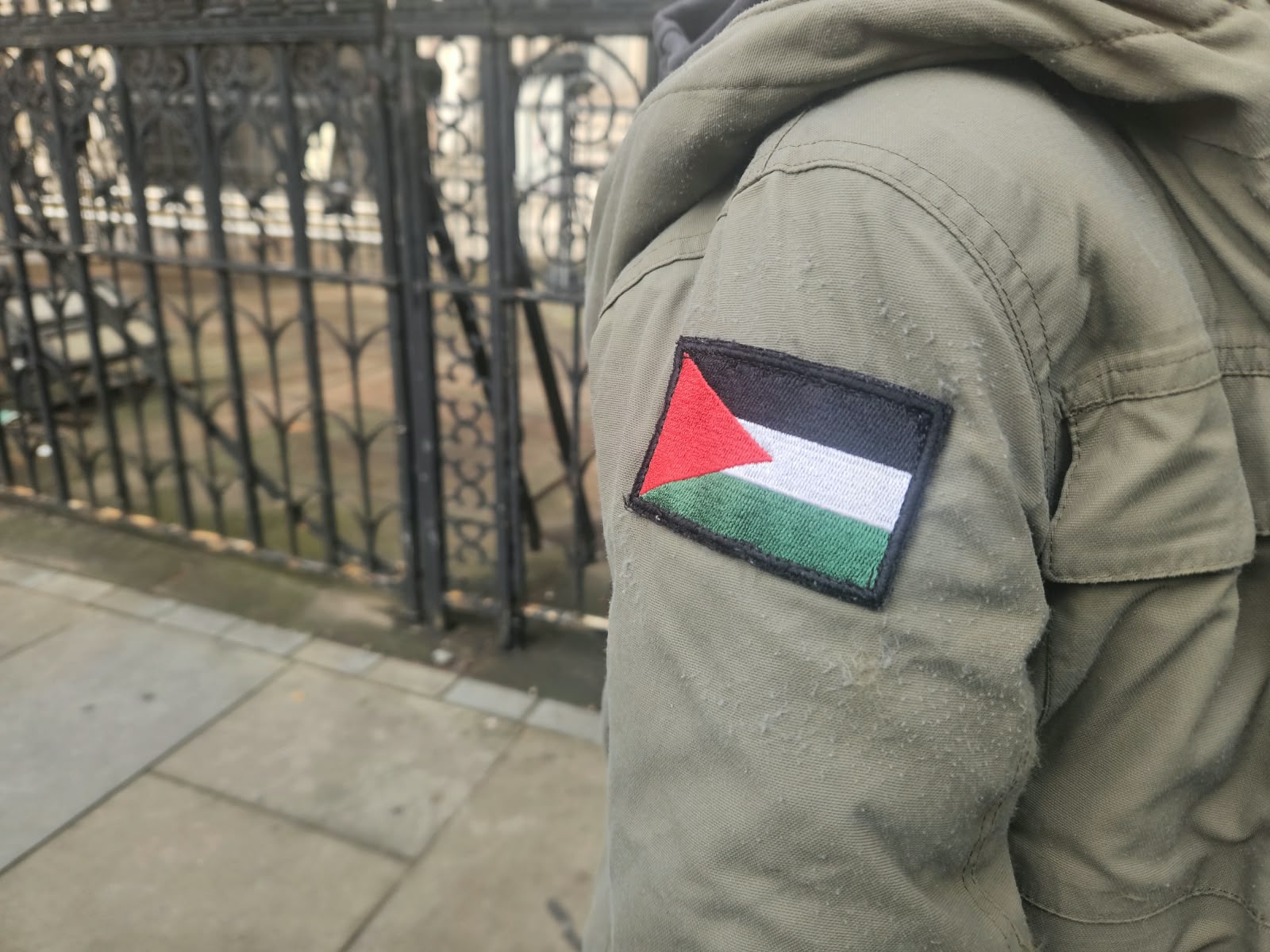
The Lion Academy Trust, which oversees Barclay Primary school in Leyton, apologised in writing and agreed financial settlements with four children after they wore Palestinian colours, stickers and badges to the school’s event day in November 2023 in memory of children killed in Gaza.
Children in Need Day is the annual UK fundraising day to raise money for disadvantaged children and young people across the United Kingdom and elsewhere.
However, the pro-Palestine Muslim students were allegedly “sanctioned” during the day, and a letter was subsequently sent to parents warning them and their children against making “overt demonstrations of political beliefs.”
The parents later received letters from Barclay Primary School warning of possible referrals to Prevent, the government’s counter-extremism programme, or the police hate crime unit, amid a row over the school’s treatment of the children who wanted to express solidarity with Palestinians.

The legal action was brought under the Equality Act 2010 and the Human Rights Act 1998. The children alleged direct discrimination, indirect discrimination and harassment on grounds including race, ethnicity, religion and belief, together with breaches of their rights to freedom of expression and freedom of thought, conscience and belief.
The case was settled following negotiations between the parties and approval by the court at an infant settlement hearing today.
Subscribe to our newsletter and stay updated on the latest news and updates from around the Muslim world!
The children and their families were represented by Waleed Sheikh, a partner in Leigh Day’s human rights team.

Following the win, Sheikh told the press: “These claims concerned the treatment of very young children and legal protections that they are entitled to against discrimination and harassment. Our clients alleged that they were treated differently because of their race, ethnicity, religion and beliefs, and that their rights to freedom of expression and freedom of thought and belief were unlawfully restricted. We welcome the apologies issued to the children and are pleased that the families have been able to resolve their claims.”
The families were supported in their legal claims by Prevent Watch, which monitors, documents and provides casework support to individuals and families impacted by the Prevent Duty.
The independent UK civil society organisation supported the families through three years of intense legal proceedings. Prevent Watch claims the case demonstrates how counter-terrorism machinery is being used to “silence children”.
The names of the children and their family members have been kept anonymous in accordance with court restrictions and the families’ own requests. They say they have faced “harassment” since the story initially broke.
The families also wished to keep the exact amount of their settlements private, but 5Pillars understands that each of the four children received a substantial sum.
Speaking to 5Pillars outside the Royal Courts of Justice in London, Dr Layla Aitlhadj from Prevent Watch, expressed her joy at the vindication of the families involved.
“What happened at Barclay Primary School is not isolated. Since October 2023, Prevent Watch has seen a consistent pattern across schools in the UK: attempts to raise awareness of, or show compassion for, Palestinians who are victims of Israel’s genocide in Gaza have been shut down as ‘political’, and the threat of a Prevent referral has been weaponised to silence them.
“In this case, parents who were protecting their children’s rights were told that their concerns were ‘false and malicious’. They held firm through three years of pressure. Today, the families, and the wider community who stood with them, have been vindicated. The trust has apologised in writing and agreed financial settlements. We hope this will lead other schools to change how they approach such matters.”
A win for free speech
The row with the school occurred amid mounting global outrage over Israel’s war on Gaza, a conflict synonymous with a shockingly high number of civilian casualties on the Palestinian side.
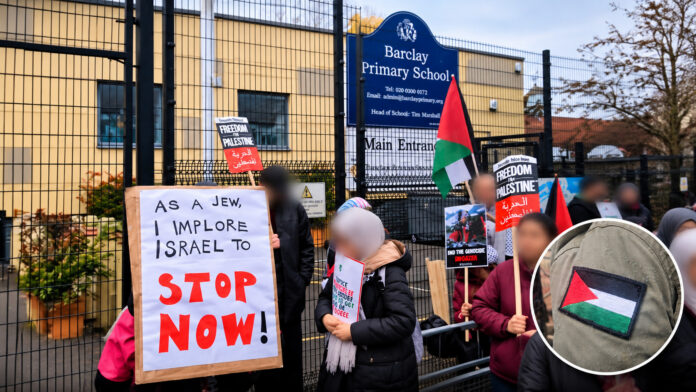
More than 170 parents signed a letter asking the school to listen to their concerns over the treatment of some children, who simply wished to express solidarity with children being harmed in Gaza. When their concerns went unheard, they gathered at the school gates on 21 December 2023, for a protest attended by around 200 people.
The school reportedly described the parents’ concerns at the time as “false” and “malicious.” Parts of the media incorporated those words into their headlines, casting the parents and protesters as the problem.
According to one of the children, who is half-Palestinian and has lost 14 members of his family in Gaza, he was “punished after wearing a coat displaying a Palestinian flag”.
His legal claim stated that he was:
- Stopped from playing outside with other children.
- Made to eat lunch separately from his peers.
- Required to wait apart from his classmates.
- Not allowed to wear his coat, which was confiscated.
Represented by law firm Leigh Day, the four children’s families further alleged that the school:
- Threatened some children and their parents with referrals to Prevent and the police hate crime unit.
- Prevented or discouraged discussions relating to Palestine and Gaza within the school environment.
- Treated expressions of Palestinian identity differently from expressions of support for Ukraine, which the school had previously permitted and encouraged through school letters, the display of national symbols, classroom discussions and fundraising activities.
After the story went viral, the parents claim they faced significant hardship and stress as a result of the ongoing row. The families’ account that children had been singled out for wearing Palestinian colours received far less attention.
Speaking to 5Pillars outside the Royal Courts of Justice, one parent expressed their great sense of relief following the legal victory. “Finally, we can put this whole affair to rest and get the story out to the rest of the community. We got an apology, one that we deserved.”
Another parent told 5Pillars: “We felt criminalised for trying to do what is right. It’s been a long and difficult journey. We raised our concerns with the school and they just hunkered down. I remain so annoyed about the breach of trust from the teachers involved, who were ultimately the children’s teachers – people the children had respected – but they just pulled the rug from under them once it all started.”
Palestine speech crackdown continues
The legal win comes at a time when the UK government is facing accusations of paving the way for a sweeping crackdown on pro-Palestinian expression in English schools and colleges after accepting 27 recommendations on antisemitism, including controversial measures covering political speech, teacher conduct, safeguarding and the Prevent programme.
The proposals, published following an independent review by Sir David Bell, have been welcomed by the pro-Israel Board of Deputies of British Jews but condemned by the National Education Union (NEU), which warns they could silence discussion of Israel’s actions in Gaza.
At the centre of the controversy is the government’s decision to encourage all schools and colleges to adopt the International Holocaust Remembrance Alliance (IHRA) definition of antisemitism, which critics argue blurs the distinction between hatred of Jewish people and legitimate opposition to Israel and Zionism.
The measures go considerably further than tackling antisemitic bullying. They include training teachers to “recognise contemporary antisemitism”, strengthening safeguarding and Prevent guidance, regulating political symbols and slogans, tightening professional standards for teachers, and increasing scrutiny of how schools handle “politically sensitive issues”.
Critics fear that, taken together, the recommendations could create an environment in which Muslim pupils, pro-Palestinian students and teachers face increased scrutiny, complaints and potentially disciplinary action for expressing views about the genocidal Israeli state.
The government insists the measures are necessary to combat rising antisemitism. However, many activists remain deeply sceptical.