


British Muslims earn significantly less than non-Muslims, are less likely to receive top university degrees and face greater housing insecurity, according to a major new report exposing structural Islamophobia in the UK.
The Runnymede Trust report, Systemic and Silent: Understanding Structural Islamophobia in the UK, examines inequalities affecting Muslims in employment, education and housing.
Drawing on three major national datasets, the racial justice think tank argues that Islamophobia extends beyond hate crimes and individual prejudice into the institutions and systems shaping everyday life.
One of the report’s most striking findings is that Muslim workers earn 8.1% less per hour than non-Muslims, even after accounting for age, gender, geographical location and employment sector.
The median hourly wage for Muslim workers was £15.25, compared with £17.26 for non-Muslims — a difference of £2.01.

The pay gap persisted across the earnings distribution, affecting both lower-paid and higher-paid workers.
The researchers found that Muslims were disproportionately represented in sectors associated with lower or less secure pay, including hospitality, distribution and transport.
Subscribe to our newsletter and stay updated on the latest news and updates from around the Muslim world!
However, differences in employment sector did not fully explain the disparity. The researchers acknowledged that differences in occupations, seniority and job grades within industries could contribute to the remaining gap.
Muslims also had the lowest employment rate of any religious group in the 2021 Census, at 51.4%, compared with 70.9% across the working-age population.
The report notes that the Muslim population’s younger age profile, participation in education and family responsibilities partly explain this difference.
Muslim graduates disadvantaged
The report reveals that Muslims are more likely than non-Muslims to hold degree-level qualifications, at 40.1% compared with 38.6%.
After accounting for socioeconomic circumstances and educational background, Muslim respondents had more than double the odds of obtaining a degree by age 32.
However, this success does not translate into equal university results or earnings.
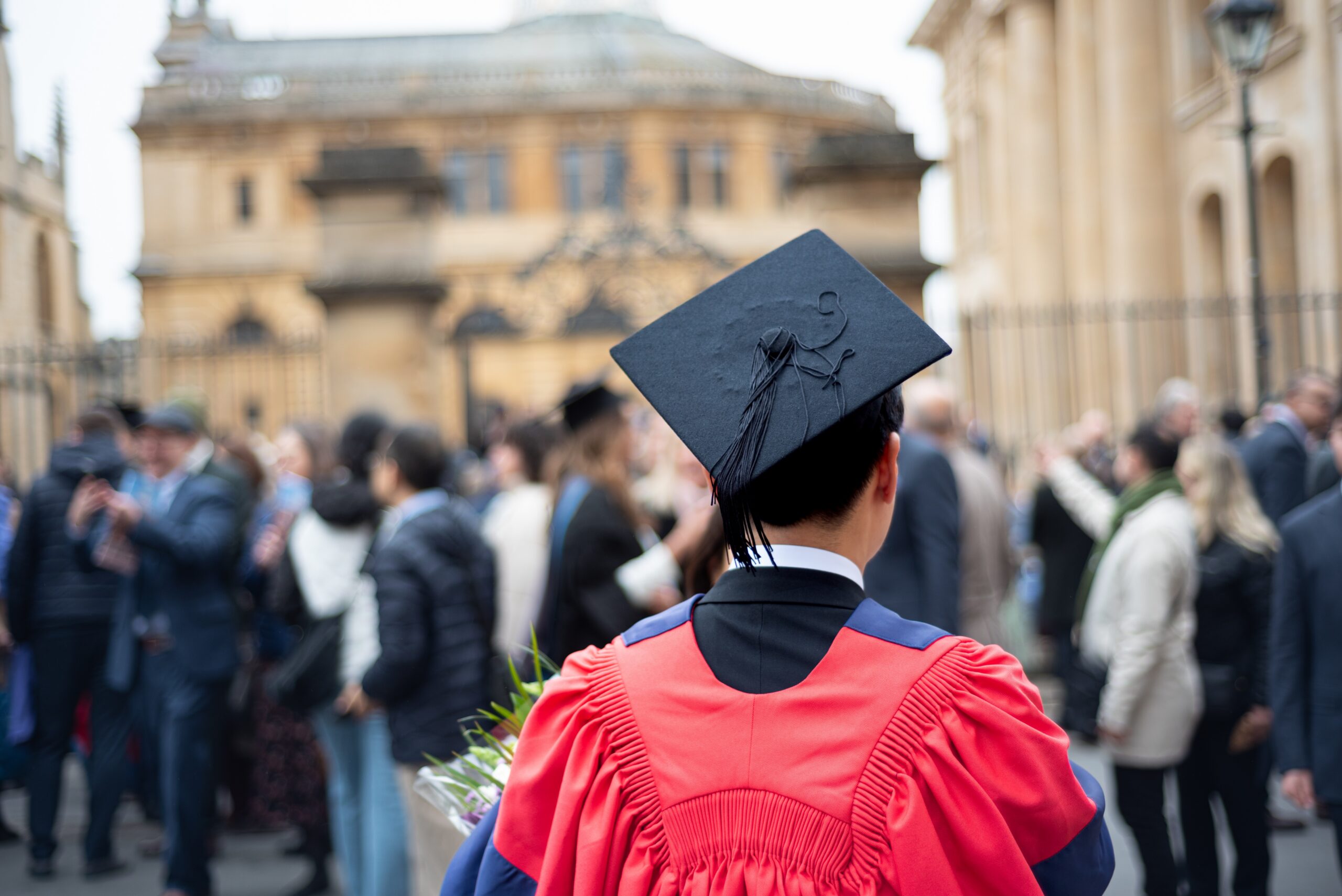
Editorial credit: Stan Halcin / Shutterstock.com
In 2024/25, just 19.7% of Muslim graduates received first-class degrees, compared with 29.3% of non-Muslims.
The gap has persisted for seven consecutive academic years, ranging from 8.2 to 11.4 percentage points.
Muslim graduates also earned approximately £45 less per week than non-Muslim graduates after accounting for gender.
Muslim female graduates were particularly disadvantaged, earning median weekly wages of £439 compared with £485 among non-Muslim women.
Female Muslim graduates earned 25.7% less than their male counterparts, compared with a 17.9% gender gap among non-Muslim graduates.
The researchers caution that their data cannot establish whether discrimination explains the degree-classification gap, while graduate earnings differences may partly reflect working hours and occupations.
Muslims face housing inequalities
The report also identifies substantial disparities in housing affordability, home ownership and overcrowding.
Some 18% of Muslims spend at least 30% of their household income on housing, compared with 9% of non-Muslims.
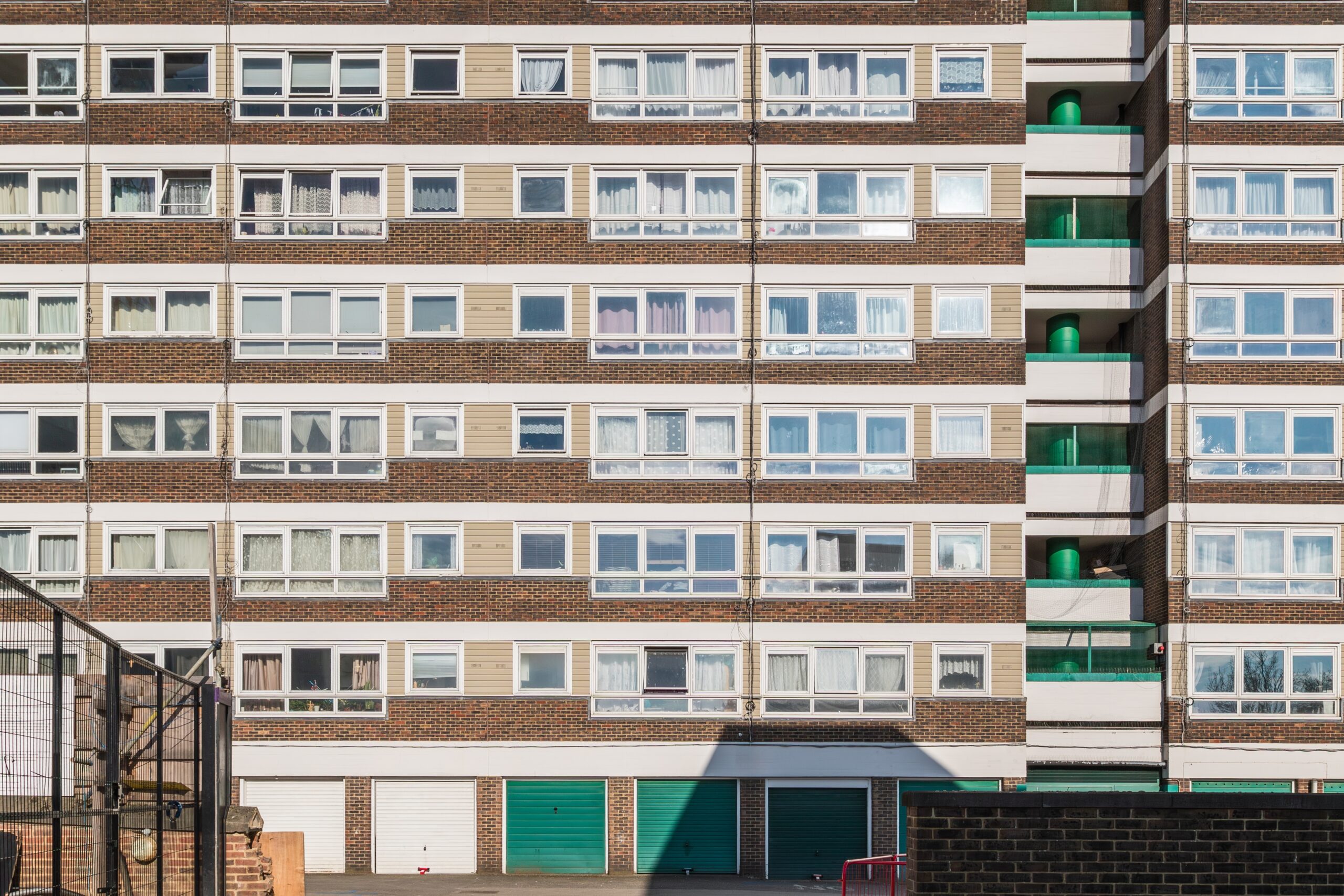
Home ownership among Muslim respondents stood at 69.4%, compared with 81.4% among non-Muslims. Muslims were also more likely to rent privately or live in social housing.
The report cites Census data showing that Muslims in England and Wales are nearly four times as likely as the overall population to live in overcrowded homes.
Researchers found that overcrowding was associated with poorer physical and mental health, with the physical health disadvantage comparable in size to the average difference between people 13 years apart in age.
The report argues that low wages, financial insecurity and inadequate housing can reinforce one another, limiting opportunities and damaging wellbeing.
Islamophobia embedded in British institutions
In the report’s foreword, journalist and historian Taj Ali argues that structural Islamophobia receives insufficient attention compared with more visible forms of anti-Muslim hatred.
He highlights the financial struggles of working-class Muslim families and the difficulties they encounter when dealing with employers, housing providers and public institutions.
The report also cites research suggesting that approximately 70% of British media coverage concerning Muslims associates them with negative behaviours or themes.
It argues that hostile political rhetoric and distorted media representations contribute to an environment in which Muslim communities are portrayed as a threat, while the inequalities affecting them are overlooked.
The researchers stress that British Muslims are diverse and that experiences of disadvantage vary according to ethnicity, gender, migration history and socioeconomic circumstances.
They argue that structural Islamophobia can operate through institutional policies and practices without requiring deliberate discrimination by individual officials.
Calls for government action
The Runnymede Trust recommends sweeping reforms to tackle the inequalities identified.
Among its central demands is the formal recognition of Muslims as an ethnoreligious group, similar to the legal recognition afforded to Jews and Sikhs.
It argues this would strengthen protections against discrimination and recognise Islamophobia as a form of racism rather than simply religious hostility.
The Trust also calls for Section 14 of the Equality Act 2010 to be brought into force, allowing people to challenge discrimination involving overlapping characteristics such as religion and race or religion and gender.
Other recommendations include:
• Mandatory ethnicity pay-gap reporting by large employers, including breakdowns by religion and gender, alongside enforceable action plans.
• A National Anti-Racist Framework for Higher Education, requiring universities to monitor inequalities and publish action plans.
• Stronger support systems for disadvantaged university students.
• A two-year rent freeze, or a freeze until rent controls are introduced, and increased investment in affordable and social housing.
• A national commission investigating racial discrimination in housing, including social housing allocations.
The Trust argues that tackling Islamophobia requires fundamental changes to institutions rather than simply responding to individual hate crimes.