



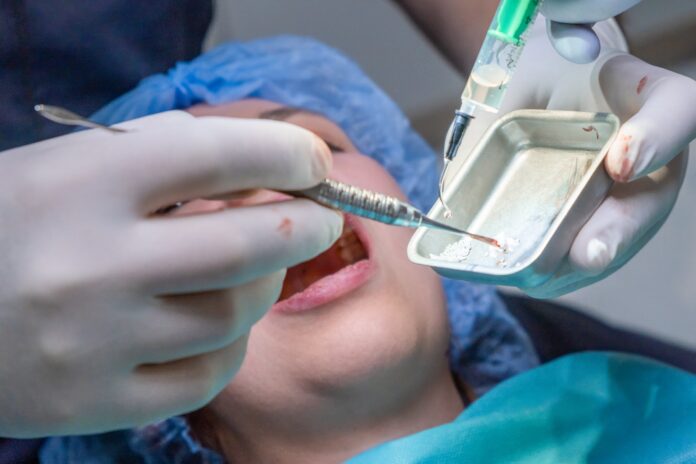
Muslim dental patients in Britain could be receiving bone grafts derived from pigs, cows or other animals without being clearly told what is being put into their bodies, a new report has warned.
The Bone Truths report says animal-derived bone is the most commonly used type of dental bone graft in the UK and globally, but many patients are not adequately informed about the origin of the material or the alternatives available to them.
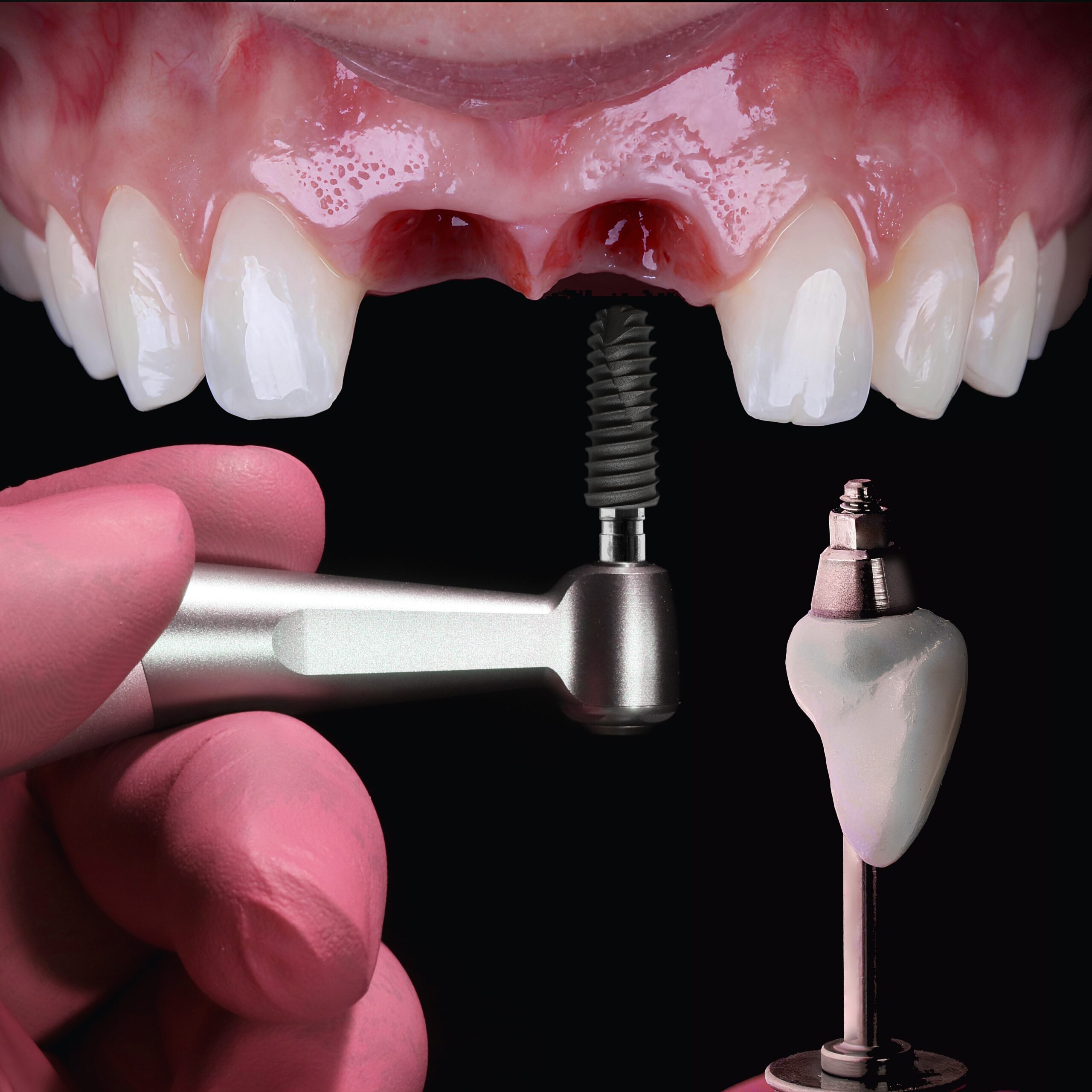
Bone grafts are commonly required before dental implants when a patient does not have enough healthy jawbone to support the implant. The graft rebuilds or strengthens the jaw so that an artificial tooth can be securely fitted.
But what many patients may not realise is that the material used to rebuild their jaw can come from several sources — including their own bone, a deceased human donor, synthetic material or animals.
Animal-derived grafts, known as xenografts, usually come from cows but can also be derived from pigs or horses, according to the report. Independent dental practitioners also publicly describe cow-bone xenografts and human-donor allografts as materials used in implant grafting.

For Muslims, the origin of such material can have obvious religious implications, particularly if it is derived from pigs.
The report states: “Muslims are prohibited from using products derived from pigs, and many also avoid bovine (cow) products unless they are halal.”
Subscribe to our newsletter and stay updated on the latest news and updates from around the Muslim world!
It adds that religious restrictions may be set aside in emergency or life-saving circumstances where alternatives are unavailable, but dental implant procedures would ordinarily involve patients being able to discuss their treatment options in advance.
‘Half of Muslims would complain’
The research found particularly strong feelings among Muslim respondents about dentists failing to disclose the use of animal-derived materials.
Half of Muslims surveyed said they would make a complaint if their dentist failed to disclose that animal material had been used and they discovered it afterwards.
Meanwhile, 47% said they would seek legal advice or legal action.
The wider survey also raises questions about how much patients are being told before undergoing treatment.
Of 300 dental implant patients surveyed, just 37% said their dentist had discussed the different types of bone-graft material available and which would be used in their procedure.
Nearly a quarter — 24% — said their dentist had not asked whether they held any religious, ethical or personal beliefs that might affect their choice of graft material.
And even where information was provided, terminology appeared to cause confusion. Some 42% said they did not fully understand, or did not understand at all, the terminology used to describe bone graft material, while a third said they did not fully understand their consent forms.
The report estimates that up to half of dental implant procedures require a bone graft, potentially meaning as many as 1.5 million people in the UK have already received one, with around 130,000 procedures taking place annually.
Origin is not a ‘technical detail’
Dr Mohsin Ali, a dental implant surgeon and member of the British Islamic Medical Association, said healthcare providers must recognise that the origin of graft material can be fundamentally important to Muslim patients.
“Trust is at the heart of healthcare, and it is critical to ensure that for certain groups of patients holding particular beliefs, that materials used in their treatment do not conflict with their faith or deeply held values,” he said.
“For many Muslim patients, the origin of a bone graft is not a technical detail. It can be central to whether that treatment feels acceptable, respectful and properly consented to.”
Dr Ali welcomed calls for clearer discussions between dentists and their patients, saying better information would help ensure patients felt “respected, reassured and fully involved in their care.”
Informed consent
The report argues that the issue goes beyond religious sensitivities and raises wider questions about informed consent.
It cites the landmark 2015 Supreme Court judgment Montgomery v Lanarkshire Health Board, which established that clinicians must take reasonable care to ensure patients understand material risks and reasonable alternatives relevant to their treatment.
The report argues this means patients should be told about reasonable alternatives to animal-derived grafts where applicable. It also points to General Dental Council standards requiring dentists to communicate clearly and respect patients’ autonomy.
There has previously been a UK case in which a dentist was suspended for 12 months after failing to tell a vegetarian patient that cow-derived material had been used in her bone graft.
The report calls for all patients requiring bone grafts to be offered a choice of materials, clearer and jargon-free consent procedures and better training for dentists about the religious and ethical implications of different graft materials.
The research was commissioned by Ethoss Regeneration, a UK company which manufactures and sells synthetic dental bone-graft material. Ethoss commissioned Censuswide to survey a nationally representative sample of 2,000 UK adults alongside 300 dental implant patients in May 2025.