



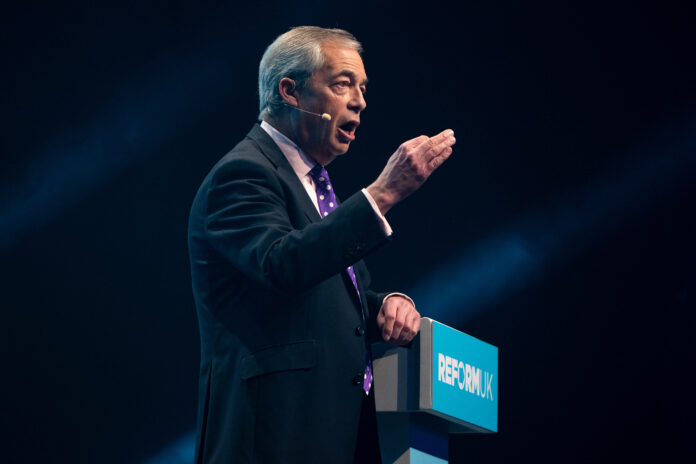
Nigel Farage’s Reform UK has suffered a dramatic reversal in its electoral fortunes, with its projected number of MPs collapsing by almost 60% in less than a year, according to Electoral Calculus.
The latest Electoral Calculus prediction puts Reform on just 132 seats if a general election were held now, compared with 325 seats in October 2025 — when the party was projected to fall just one seat short of an overall parliamentary majority.
That represents a staggering loss of 193 projected seats in just 11 months.
Electoral Calculus is a long-established British election forecasting organisation which has modelled general election results since 1992 and uses national polling and constituency-level statistical modelling to project parliamentary outcomes.
Over the same period Labour’s fortunes have moved dramatically in the opposite direction.

In October, Electoral Calculus projected Labour would be reduced to just 107 MPs, with the Conservatives on 54 and Liberal Democrats on 69.
Its latest forecast now puts Labour on 266 seats, Reform on 132, the Conservatives on 119, Liberal Democrats on 69, SNP on 35 and Greens on just six.
Subscribe to our newsletter and stay updated on the latest news and updates from around the Muslim world!
Labour would therefore emerge as the largest party but remain 60 seats short of an overall majority.
However, Labour and the Liberal Democrats would together have enough MPs to command a comfortable Commons majority.
The latest Electoral Calculus model, based on opinion polls conducted between July 30 and August 28 involving 19,780 people, puts Labour on 25.4% of the vote, Reform on 23.8%, Conservatives on 19.8%, Greens on 10.3% and Liberal Democrats on 10.1%.
Electoral Calculus gives Labour a 63% probability of emerging as Britain’s largest party at the next election, compared with 24% for Reform and 12% for the Conservatives.
So what’s gone wrong for Reform?
Polling experts say Reform’s decline cannot simply be attributed to Labour’s resurgence under Prime Minister Andy Burnham because Farage’s party had already begun losing ground before Burnham entered Downing Street.
Peter Kellner, the former president of YouGov, told The Independent that Farage and Reform had “started sinking together,” while polling expert Lord Hayward said Farage had “provided the motor for their rise” but was now “providing the motor for their decline.”
Polling supports that assessment. YouGov’s August tracker found only 23% of Britons viewed Farage favourably compared with 67% unfavourably, giving him a net rating of minus 44.
Reform itself has also suffered. In July, just 27% of Britons viewed the party favourably compared with 65% unfavourably. Among 2024 Conservative voters, Reform’s favourability fell from 52% in December to 36% in July.
Reform is also being squeezed from several directions.
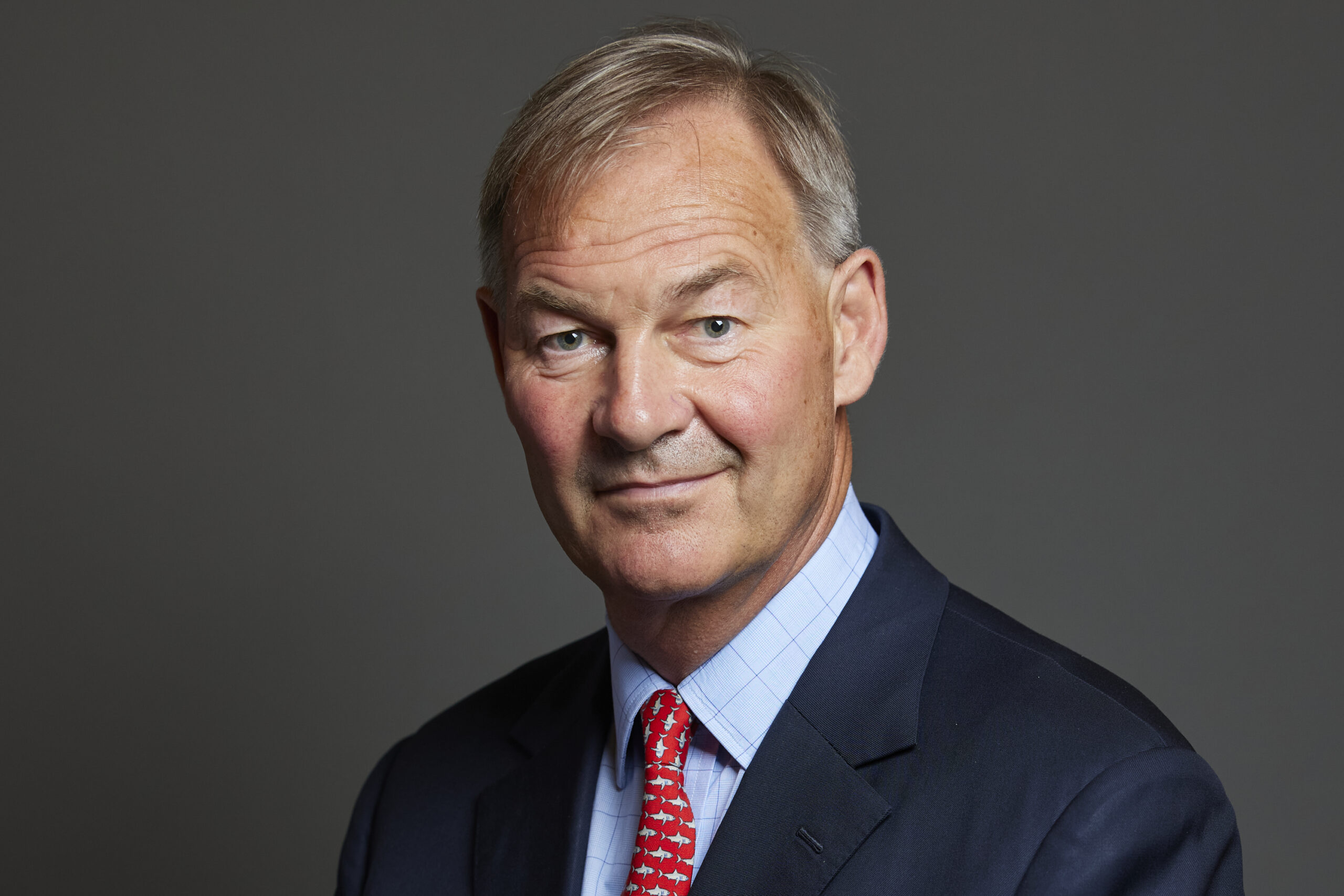
Some former Tory voters appear to be returning to the Conservatives, while Rupert Lowe’s Restore Britain is challenging Reform from further to the right.
Veteran polling expert Sir John Curtice told The Independent: “You cannot easily distinguish between Reform drop and Conservative gain: given most Reform voters are ex-Tories they tend to be two sides of the same coin.”
Restore’s emergence creates another dilemma for Farage. Moving further right to win back hardline voters risks alienating more moderate former Conservatives, while failing to do so could allow Restore to continue eating into Reform’s support.
FT commentator Robert Shrimsley said Reform’s polling had essentially been trending downwards since February, attributing this partly to voters “getting a bit fed up with Farage” and partly to Restore taking support from its right.
Finally, Britain’s first-past-the-post system magnifies Reform’s decline. Its support is spread widely across the country, so relatively modest falls in vote share can translate into huge projected seat losses.
That helps explain how Reform can still be polling at a substantial 23.8% nationally — well above the 14.7% it won in 2024 — while its projected representation has collapsed from 325 MPs to 132.

Labour’s dramatic recovery
The other major factor transforming the electoral landscape is Labour’s recovery following Andy Burnham’s replacement of Keir Starmer as Prime Minister.
Electoral Calculus describes this as the “Burnham bounce.” Its model projected Labour winning just 107 seats last October but now puts the party on 266 — an increase of 159.
YouGov polling also shows a significant improvement in public attitudes. In August, 46% of Britons viewed Burnham favourably compared with 33% unfavourably, giving him a net rating of plus 13 — the highest YouGov had recorded for a British prime minister since Boris Johnson in the early months of the Covid pandemic.
Labour has since overtaken Reform in several national polls, with one recent YouGov survey putting Labour on 24% and Reform on 22%.
However, Labour’s recovery remains incomplete. Electoral Calculus has the party around nine points below the 34.7% it won at the 2024 general election and still well short of an overall parliamentary majority.

Greens also hit by Labour revival
The Greens, who surged as disillusioned Labour voters deserted Starmer, also appear to be suffering from Labour’s recovery.
Electoral Calculus now projects the Greens to win just six seats on 10.3% of the vote and says Labour’s latest gains have come partly at the expense of the Greens and Liberal Democrats.
YouGov polling suggests Burnham is making significant inroads among Green voters. In August, 53% of 2024 Green voters viewed him favourably, while Labour’s net leadership rating among them swung 72 points — from minus 45 under Starmer to plus 27 under Burnham.
Meanwhile, Green leader Zack Polanski’s ratings have deteriorated, with just 19% of Britons viewing him favourably in August compared with 48% unfavourably.
The figures suggest Burnham may be winning back progressive voters who deserted Labour under Starmer.
But the Greens are still polling at 10.3%, well above the 6.9% they won at the 2024 election. As with Reform, first-past-the-post means that substantial national support does not necessarily translate into large numbers of seats.