




Bangladesh has crossed the nuclear threshold with the start-up phase of the Rooppur Nuclear Power Plant, the country’s first nuclear power station and one of the most ambitious infrastructure projects ever undertaken in South Asia, writes Muhammad Siddeeq.
With nuclear fuel now being loaded into the first reactor, Bangladesh is preparing to join the limited group of nations able to generate electricity from nuclear energy – a landmark achievement for a country whose economic rise has long been constrained by energy insecurity.
The Rooppur plant, located at Ishwardi in Pabna district, about 160 kilometres northwest of Dhaka, is being built with Russian assistance by Rosatom. It consists of two VVER-1200 pressurised-water reactors, each designed to produce 1,200 megawatts, giving the plant a total planned capacity of 2,400 MW.
Once both units are fully operational, Rooppur will become one of the largest single sources of electricity in Bangladesh’s national grid.
The immediate milestone is highly significant. Rosatom began loading nuclear fuel into Unit 1 on 28 April 2026, marking the transition from construction to the critical commissioning and start-up phase.

According to Reuters, the plant is expected to begin supplying limited power in 2026, with fuller output targeted in 2027. Officials have indicated that initial generation may begin at a lower level after safety tests before rising gradually towards full output.
For Bangladesh, this is far more than the opening of another power station. It is a declaration that the country has entered a new technological era.
Subscribe to our newsletter and stay updated on the latest news and updates from around the Muslim world!
Nuclear energy requires rigorous safety regulation, highly trained engineers, reactor operators, radiation specialists, emergency planners and long-term fuel-management capacity. The development of Rooppur therefore expands not only Bangladesh’s electricity supply, but also its scientific, industrial and institutional capability.
The project has been years in the making. Construction of Rooppur Unit 1 began in November 2017, followed by Unit 2 in 2018. The reactors are based on Russian VVER technology, a modern pressurised-water reactor design used for large-scale electricity production.
The World Nuclear Association lists Bangladesh as having two reactors under construction at Rooppur, with a combined net capacity of 2,160 MW.
The economic importance of the plant is considerable. Bangladesh’s rapid industrialisation, urban growth and export-led development have created huge demand for reliable electricity.
The country’s garment factories, ports, hospitals, transport systems, data infrastructure and expanding cities all require stable power. Periodic fuel shortages, import-price shocks and pressure on foreign currency reserves have exposed the vulnerability of relying heavily on imported fossil fuels.
Rooppur offers a different kind of energy source: high-output, low-carbon baseload electricity that can run continuously for long periods.
That reliability is central to the plant’s national significance. A nuclear power station does not depend on daily deliveries of gas, oil or coal in the same way as fossil-fuel plants. Small volumes of uranium fuel can generate very large quantities of electricity over long operating cycles.
For a country like Bangladesh – densely populated, industrially ambitious and increasingly exposed to global energy-market volatility – that matters greatly.
A new reservoir of nuclear know-how
Beyond its immediate contribution to electricity generation, Rooppur’s deeper significance lies in the expertise it will create inside Bangladesh.
Nuclear power is not simply another source of energy. It demands an advanced national ecosystem: reactor engineers, physicists, radiation-protection specialists, nuclear safety regulators, emergency-response planners, cyber-security teams, fuel-management experts and highly trained technicians capable of operating in one of the most tightly controlled industrial environments in the world.
That accumulation of knowledge will give Bangladesh a level of scientific and technical capacity it has never previously possessed.
The plant will train a generation of Bangladeshi professionals in nuclear operations, safety culture, reactor management, radiation monitoring and international compliance. These skills can be applied to power generation, medicine, agriculture, materials research, environmental monitoring and wider industrial development.
There is also a strategic dimension. A civilian nuclear programme does not amount to a weapons programme, and Bangladesh remains committed to the peaceful use of nuclear energy under international safeguards.
Yet it would be naïve to pretend that nuclear know-how carries no wider significance. Countries that master civilian nuclear technology acquire a deeper understanding of nuclear science, fuel handling, regulation, safety systems and high-security engineering. Such expertise increases national capability and gives future governments a stronger technical base from which to make strategic choices.
If Bangladesh’s leadership were ever to reassess its long-term security doctrine, the existence of a trained nuclear workforce and functioning nuclear institutions would inevitably matter.
Rooppur does not give Bangladesh nuclear weapons, nor does it place the country on an automatic path towards them. But it does move Bangladesh from being a state with limited nuclear infrastructure to one with practical experience of operating a major nuclear power facility. In geopolitical terms, that is a meaningful transformation.
For now, the achievement should be understood primarily as peaceful and developmental. Its value lies in electricity, industrial stability, scientific advancement and national prestige. But like all major nuclear projects, Rooppur also expands the country’s strategic knowledge base. That knowledge, once acquired, becomes part of the state’s long-term reservoir of capability.
National pride and international recognition
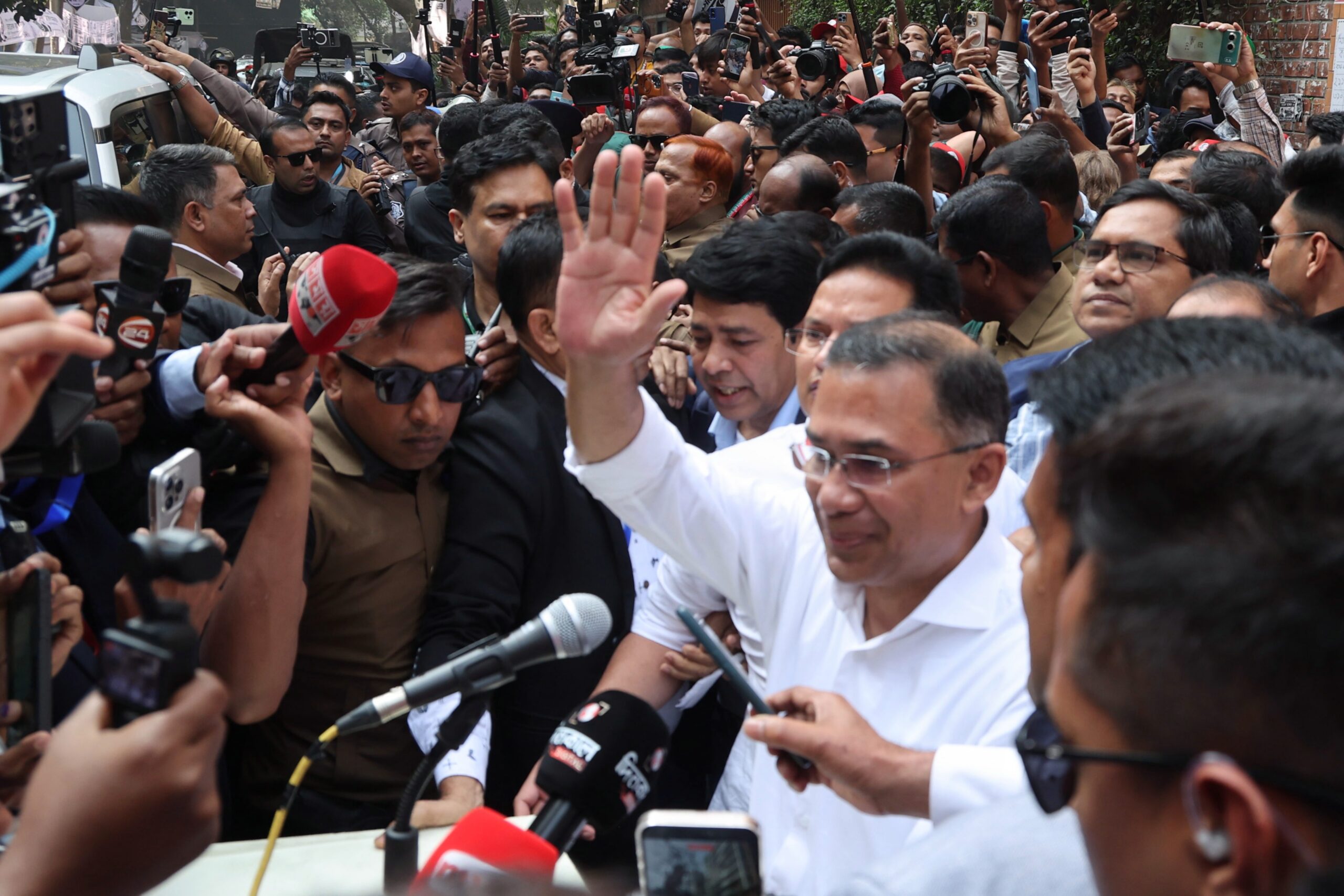
Prime Minister Tarique Rahman also placed the government’s weight behind the project during talks with Rosatom Director General Alexey Likhachev.
According to Bangladeshi reporting, the Prime Minister “appreciated Russia’s technical and technological assistance in the successful implementation of the project,” while Reuters reported that he confirmed the government’s commissioning of Rooppur’s first unit and its approval to complete the rest of the plant.
International nuclear officials have also underlined the significance of the project. Rafael Mariano Grossi, Director General of the International Atomic Energy Agency, previously described Bangladesh’s nuclear milestone as an “important” and “historic” occasion, and said the IAEA understood the indispensable role nuclear energy can play in development.
Reuters has reported that Rooppur is estimated to cost about $13 billion, with Russia providing a state loan covering around 90 per cent of the cost. That makes the plant a source of both pride and fiscal responsibility.