



A diplomatic adviser to President Sheikh Mohamed of the United Arab Emirates has said that Iran’s current approach to the war, which involves mass strikes on Gulf countries, will only “solidify” the role of the US in the region.
Dr Anwar Gargash told a group of journalists on Saturday that the current Iranian strategy in the US/Israeli war will strengthen “the American role in the Gulf, moving forward.”
“It will not reduce it,” Dr Gargash said.
As the US/Israeli war on Iran enters its sixth week, Dr Gargash expressed his country’s gratitude on behalf of the UAE for the American and Western support they have received in recent weeks.
Iranian strikes on UAE
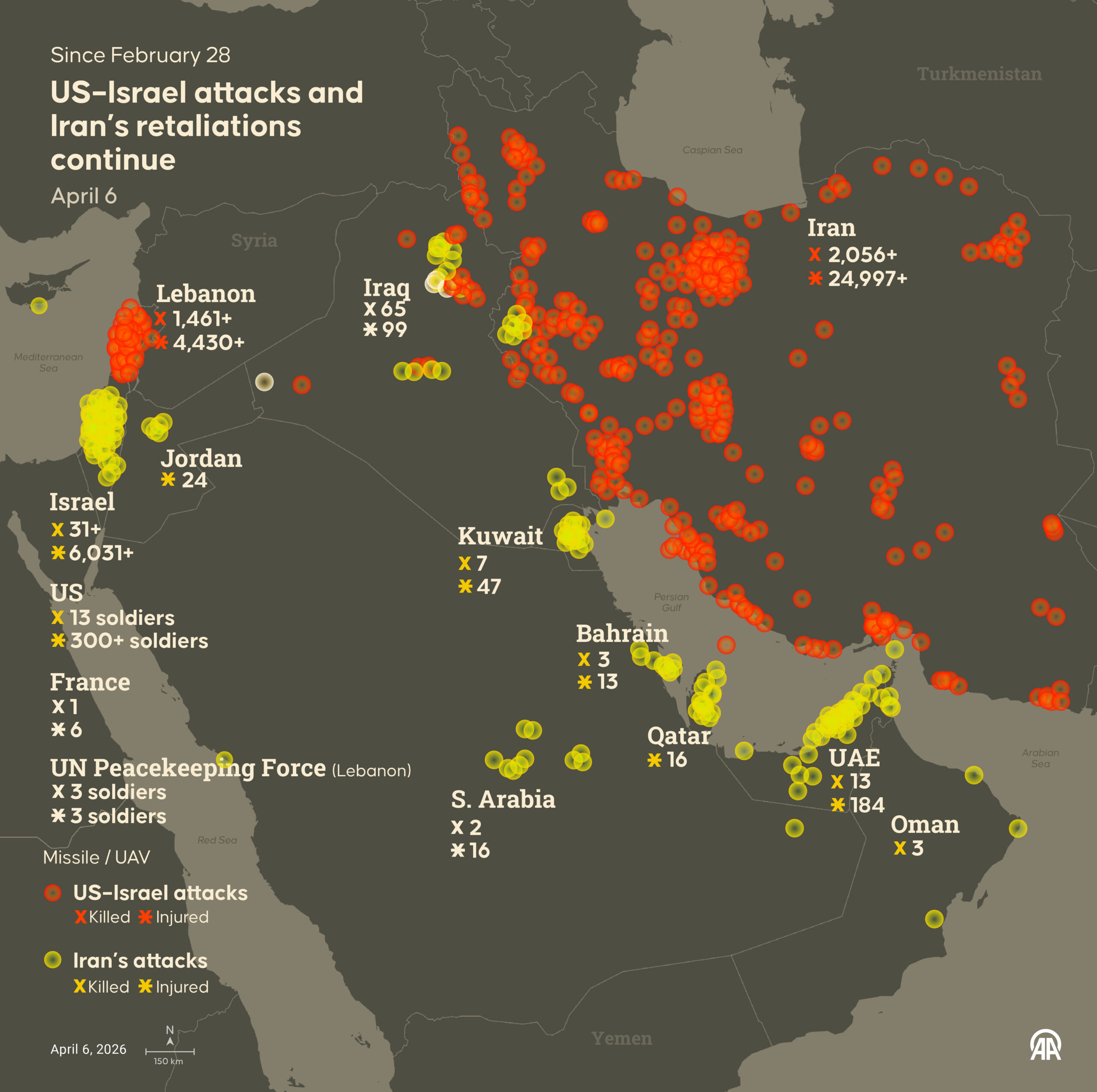
The UAE has seen the most fierce Iranian retaliatory strikes in the region, with 2,191 drones, 507 ballistic missiles and 24 cruise missiles being intercepted since February 28, when the war began.

The statement from Dr Gargash came after Italian Prime Minister Giorgia Meloni paid a diplomatic visit to Abu Dhabi on April 5, in addition to over 125 world leaders recently expressing their support for the UAE since the war started.
Subscribe to our newsletter and stay updated on the latest news and updates from around the Muslim world!
“Our main security partner is the United States,” Dr Gargash said. “We will double down on our relationship with the United States.”
Dr Gargash named some specific details in his statement thanking the Western states, such as the “exceptional” American support “in terms of air defence”.
He also pointed towards France as a “steadfast” partner and claimed that one “bleeding” consequence of the continued retaliatory Iranian attacks “will see Israeli influence become more prominent in the Gulf, not less.”
“The Iranian regime is fighting for itself, not for the country,” Dr Gargash’s statement continued.
“Any normal regime will not accept the sort of destruction that they are seeing. Only to prove that they have resisted,” he said.
Why is Iran targeting the Gulf?
The Gulf countries have borne the brunt of Tehran’s response to the US and Israeli strikes since February 28, with strikes on critical energy infrastructure being carried out.
The Iranian attacks on energy infrastructure have been accompanied by wider missile and drone strikes against US military bases and infrastructure in the region. Such strikes have yielded more economic damage than human casualties, with a total of 13 people being killed in the UAE as of April 4.
The UAE Ministry of Defence said that of the 13 people killed, two were Emirati soldiers, one was a Moroccan civilian contractor, and 10 were civilians of different nationalities.
Economical damage to GCC
Despite this, the attacks have wiped billions from the Gulf economy, such as the $120bn losses in the UAE, impacting industries such as the financial sector, aviation, and energy production.
Various analysts have pointed out that Iran’s current strategy in hitting the Gulf states lies not only in damaging the states economically, but also in hoping that it will reduce their willingness to provide support for their largest enemy, the US.
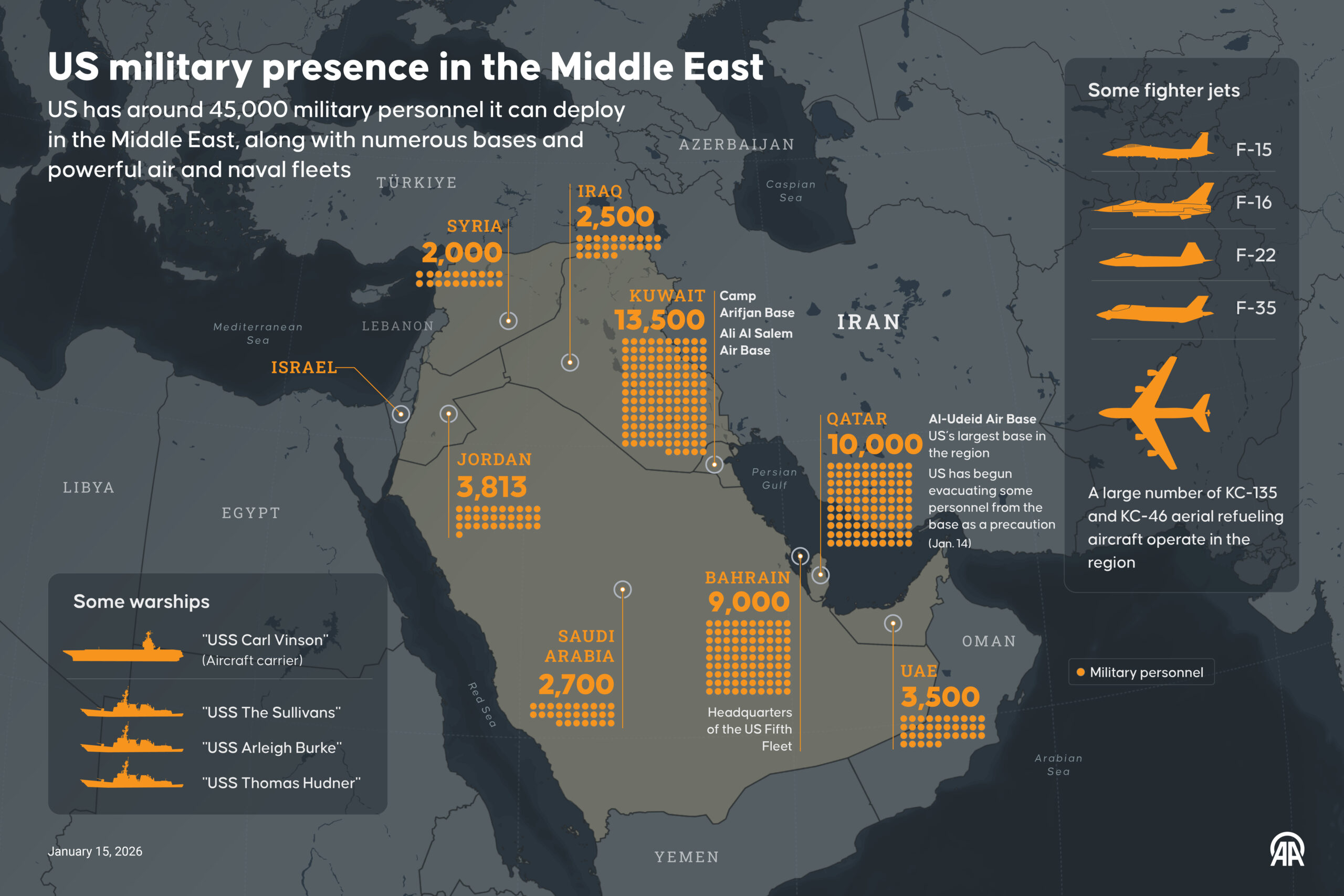
The most clearcut way the Gulf has been supporting the US being the roughly 19 airbases located in the Middle East, the majority being hosted by the Gulf countries.
Dr Gargash was clear to emphasise the severity of the situation, calling the Iran war “the worst-case scenario”.
“If you asked me over the last 20 years, what is the sort of unlikely worst-case scenario that the UAE can face, I would have said a full Iranian attack,” he said. “And this is what we are seeing.”
In Iran, the recent escalation of the US/Israeli war and hostilities has led to the killing of over 1,340 people to date, including former Supreme Leader Ali Khamenei.
Tensions over the war continue to escalate as Iran is refusing ceasefire deals with the US, and vows to keep the Strait of Hormuz closed to US and US-allied vessels, a key point of conflict as expressed by US President Donald Trump.