



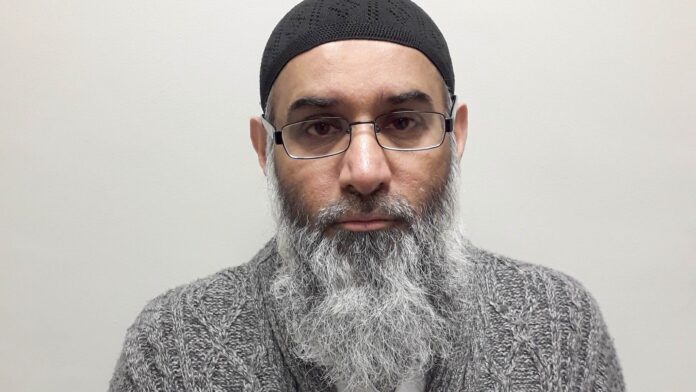
Anjem Choudary has lost his appeal against a life sentence for terrorism offences, meaning he will be 85 before he leaves jail.
Judges at the Court of Appeal rejected arguments from Choudary’s legal team that his punishment was excessive and that his actions had been mischaracterised.
The ruling means he will continue serving a life term, with no reduction in the minimum period set before he can be considered for release.
Prosecutors have long described him as a key ideological influence within “extremist circles,” alleging that his speeches and activities helped radicalise individuals who later engaged in terrorism.
While he was not convicted of carrying out attacks himself, the court found that his persistent support for banned organisations and “extremist causes” posed a serious threat to public safety.

During the appeal, his defence focused heavily on the distinction between speech and action. Lawyers argued that Choudary had been exercising his right to freedom of expression, contending that his statements reflected religious and political beliefs rather than direct incitement to violence.
They also maintained that there was no evidence linking him to the planning or execution of specific attacks.
Subscribe to our newsletter and stay updated on the latest news and updates from around the Muslim world!
His legal team further challenged the severity of the sentence, describing a life term as disproportionate for what they characterised as an “ideological” role. They warned that expanding counterterrorism laws risk criminalising controversial speech and could set a troubling legal precedent.
However, the Court of Appeal dismissed these arguments, concluding that Choudary’s conduct went beyond protected expression. Judges pointed to what they described as a sustained pattern of behaviour that encouraged “support for extremist causes” and contributed to real-world harm.
In its ruling, the court affirmed that individuals who consistently promote and legitimise banned organisations can be held fully accountable under terrorism laws, even without direct involvement in attacks.
Government officials welcomed the decision, saying it reinforces the UK’s firm stance against extremism and sends a clear signal about the consequences of spreading ideologies linked to violence.
Who is Anjem Choudary?
Choudary is considered one of the most influential and controversial “Islamist” figures in modern British history.
Born in London, Choudary, 57, trained as a lawyer at the University of Southampton before becoming one of Britain’s most recognisable “Islamist” activists. He rose to prominence as a leading figure in Al-Muhajiroun, a group later banned under UK terrorism legislation.
He practised law briefly but left the profession in the 1990s to focus on religious activism, bringing his legal knowledge into his public advocacy.
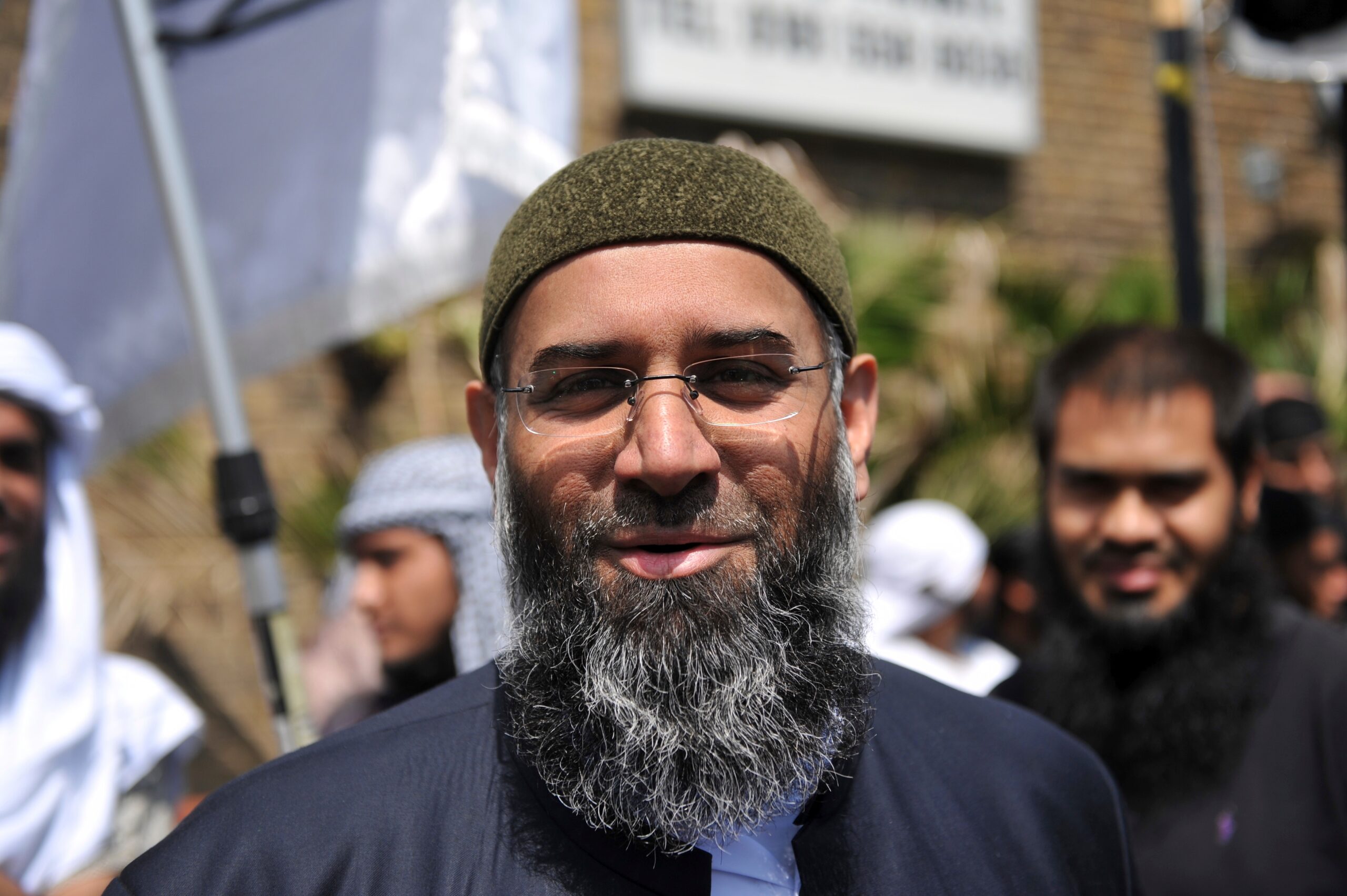
In the 1990s, Choudary became a follower of Omar Bakri Muhammad, founder of Al-Muhajiroun. Influenced by Bakri, he adopted a “Islamist” worldview and became an outspoken preacher.
After Bakri left the UK, Choudary emerged as the leading figure of Al-Muhajiroun, frequently appearing in the media, organising demonstrations, and recruiting supporters.
Choudary gained notoriety in the UK for his provocative speeches, public demonstrations, and online presence. He was accused of promoting “extremist ideologies,” defending “militant actions” abroad, and encouraging young people to join “radical causes.” Over time, authorities linked him to several banned groups associated with Al-Muhajiroun.
Choudary’s activities repeatedly drew legal attention. In 2016, he was convicted of inviting support for a banned organisation and served a prison sentence. Following his release, continued monitoring led to further charges, culminating in his life sentence for terrorism-related offences.
Courts have described him as a dangerous ideological figure whose words contributed to the radicalisation of individuals, even if he did not directly carry out attacks.