



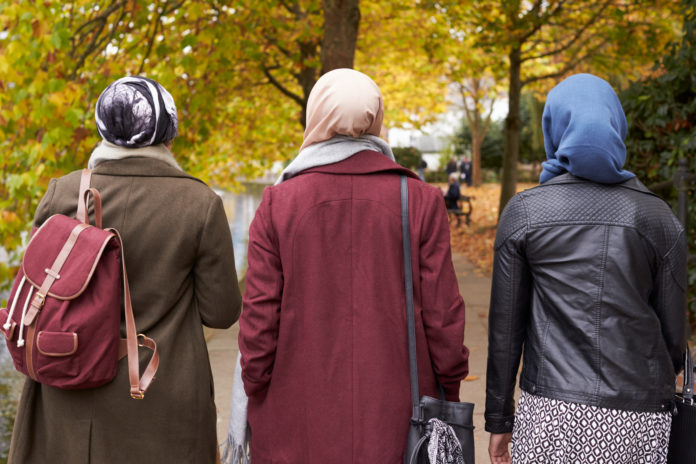
A new study by government-funded organisations has found that anti-Muslim prejudice remains deeply embedded in British society, with more than half of Muslims experiencing hostility or discrimination in the past year.
The research was commissioned by the British Muslim Trust and carried out in partnership with British Future. Yet despite these challenges, the study found that the overwhelming majority of British Muslims continue to express a strong sense of belonging and optimism about their future in Britain.
The report, Understanding Anti-Muslim Hostility, surveyed more than 2,000 members of the public and over 1,000 Muslims to examine attitudes towards Muslims and the experiences of Britain’s Muslim communities.
Researchers found that 56% of Muslims had experienced prejudice, discrimination or hostility because of their religion during the previous 12 months.
Among those surveyed, 25% said they had experienced prejudice in public places, while 19% reported discrimination in workplaces or institutions.

Social media emerged as a major source of hostility, with 34% saying they had encountered anti-Muslim prejudice online.
The report also highlighted concerns about the impact of last summer’s anti-immigration unrest and far-right demonstrations.
Subscribe to our newsletter and stay updated on the latest news and updates from around the Muslim world!
Some 61% of Muslims said they felt less safe following the Unite the Kingdom rally. Among Muslim women, the figure rose to 69%.
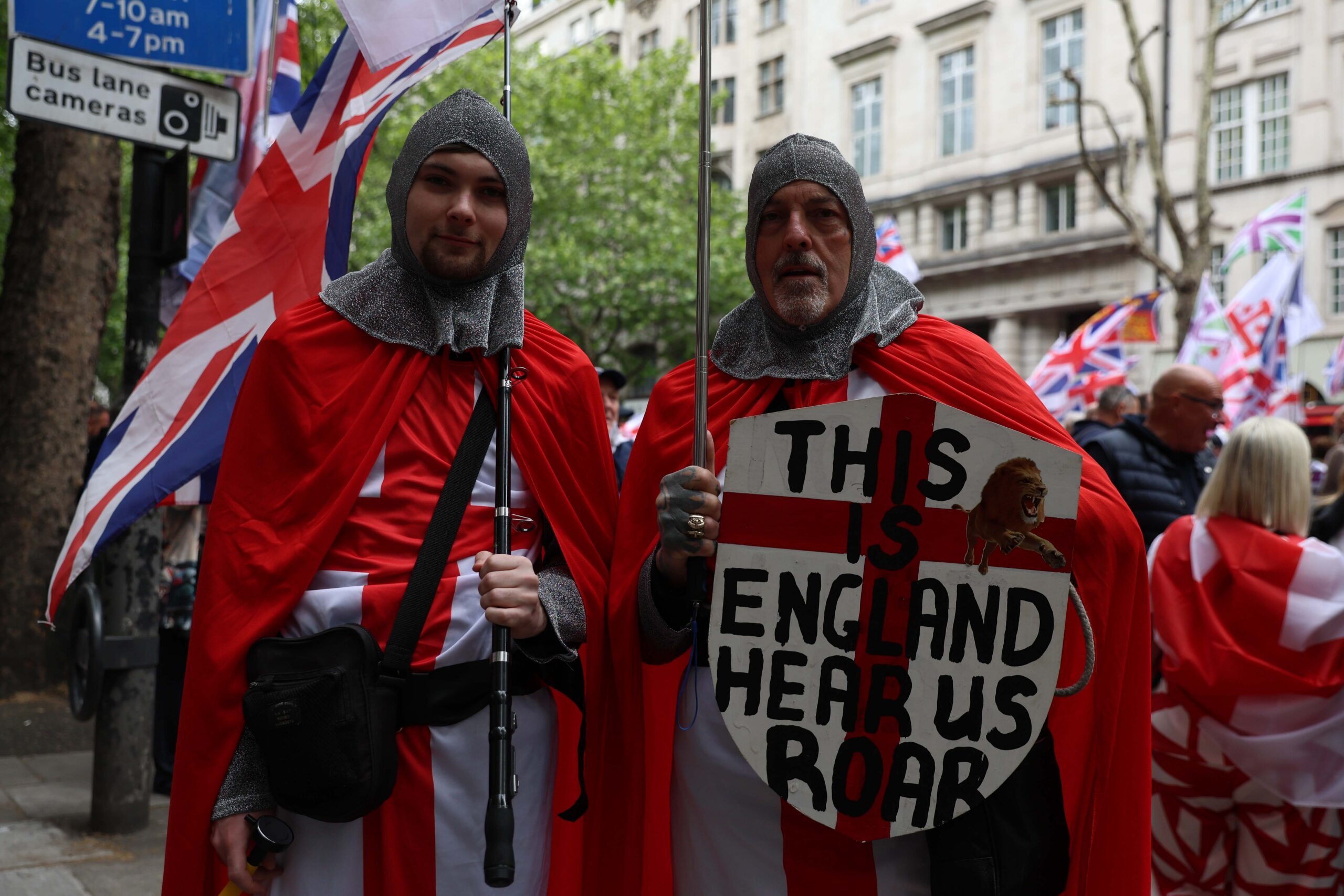
Researchers found that anti-Muslim attitudes remain embedded within parts of British society.
One in six respondents said they believed the growth of the Muslim population represented a “foundational threat” to British culture.
Meanwhile, 19% said that British-born Muslims were not as British as white non-Muslims.
The findings suggest that negative perceptions of Muslims remain influential despite decades of Muslim participation in British public life.
Many respondents also expressed concerns about how Muslims are portrayed in public debate.
Around half of Muslim participants said they believed the media treats Muslims more negatively than other sections of society.
Strong support for action
Despite the findings, the report identified significant public recognition that anti-Muslim prejudice exists.
Nearly two-thirds of respondents, 63%, agreed that prejudice against Muslims is a problem in Britain today.
A similar proportion, 61%, supported government action to address anti-Muslim discrimination and hostility.
Researchers said this demonstrated that tackling anti-Muslim hatred is not a divisive issue but one that commands support across much of the population.
The study also found that attitudes towards Muslims often improve when people have direct contact with Muslim communities.
Those with Muslim friends, neighbours or colleagues were generally more likely to hold positive views.
Younger Britons were also found to have more favourable attitudes towards Muslims than older generations.
Researchers argued that increasing opportunities for interaction between communities could help reduce misconceptions and challenge hostile narratives.
The report warned that misinformation, inflammatory rhetoric and negative stereotypes continue to fuel distrust and suspicion towards Muslims.
It said these factors can contribute to an atmosphere in which prejudice becomes normalised and discrimination is more likely to occur.
Muslims remain optimistic
Despite experiencing high levels of prejudice, many Muslims continue to express confidence in their place within British society.
The report found that 69% of Muslims strongly identify as British.
Meanwhile, 73% said Britain remains a good place to be Muslim.
Researchers said these findings reflected a strong sense of belonging among British Muslims despite the challenges many face.
The authors warned that anti-Muslim hostility affects not only those directly targeted but also wider social cohesion.
They argued that prejudice undermines trust between communities and weakens efforts to build a more united society.
The British Muslim Trust and British Future said the findings should serve as a wake-up call for policymakers, community leaders and the media.
They called for greater efforts to challenge misinformation, encourage meaningful contact between communities and address the causes of anti-Muslim hostility.
While the report exposes troubling levels of prejudice, its authors said the widespread public recognition of the problem provides a foundation for meaningful action.
The report concludes that confronting anti-Muslim hostility is essential if all citizens are to feel safe, respected and fully accepted within British society.