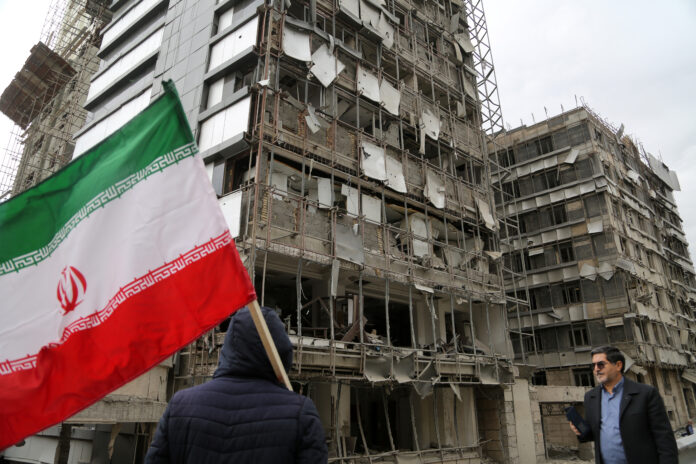
The Iranian Red Crescent Society says 6,668 civilian sites were struck during attacks carried out by the United States and Israel across the country. The aid organisation says the strikes damaged homes, schools, health centres and facilities used by humanitarian workers.
According to the organisation, 5,535 residential buildings and 1,041 commercial units were hit. The attacks also damaged 14 health centres, 65 schools and 13 facilities linked to the Red Crescent. Aid and rescue vehicles were also damaged while several relief workers were injured.
In a statement, the group said the strikes violated the Geneva Conventions and called for urgent international action. It said, “International institutions, humanitarian aid organizations, and human rights defenders are expected to take urgent and effective measures to protect civilian lives, ensure the safety of aid workers, and guarantee respect for the rules of international humanitarian law.”
US and Israeli strikes across Iran have come under intense scrutiny and condemnation since the start of the latest war on Iran with accusations rising of violations of international humanitarian law.
School strike

One of the deadliest incidents occurred on February 28, when missiles struck the Shajareh Tayyebeh girls’ school in the southern Iranian city of Minab. Dozens of students were attending classes when the attack destroyed the building and caused the roof to collapse.

Iranian authorities reported that 165 people were killed in the strike, most of them girls between the ages of seven and twelve. At least 95 other people were wounded in the attack.
Subscribe to our newsletter and stay updated on the latest news and updates from around the Muslim world!
As images from the scene spread online, Israeli and US officials said they were unaware a school had been hit. Some accounts linked to Israel claimed the site was part of an Islamic Revolutionary Guard Corps (IRGC) base.
An investigation by Al Jazeera examined satellite imagery, archived material and video footage from the scene. The analysis suggested the school had been clearly separated from a nearby military facility for at least a decade.
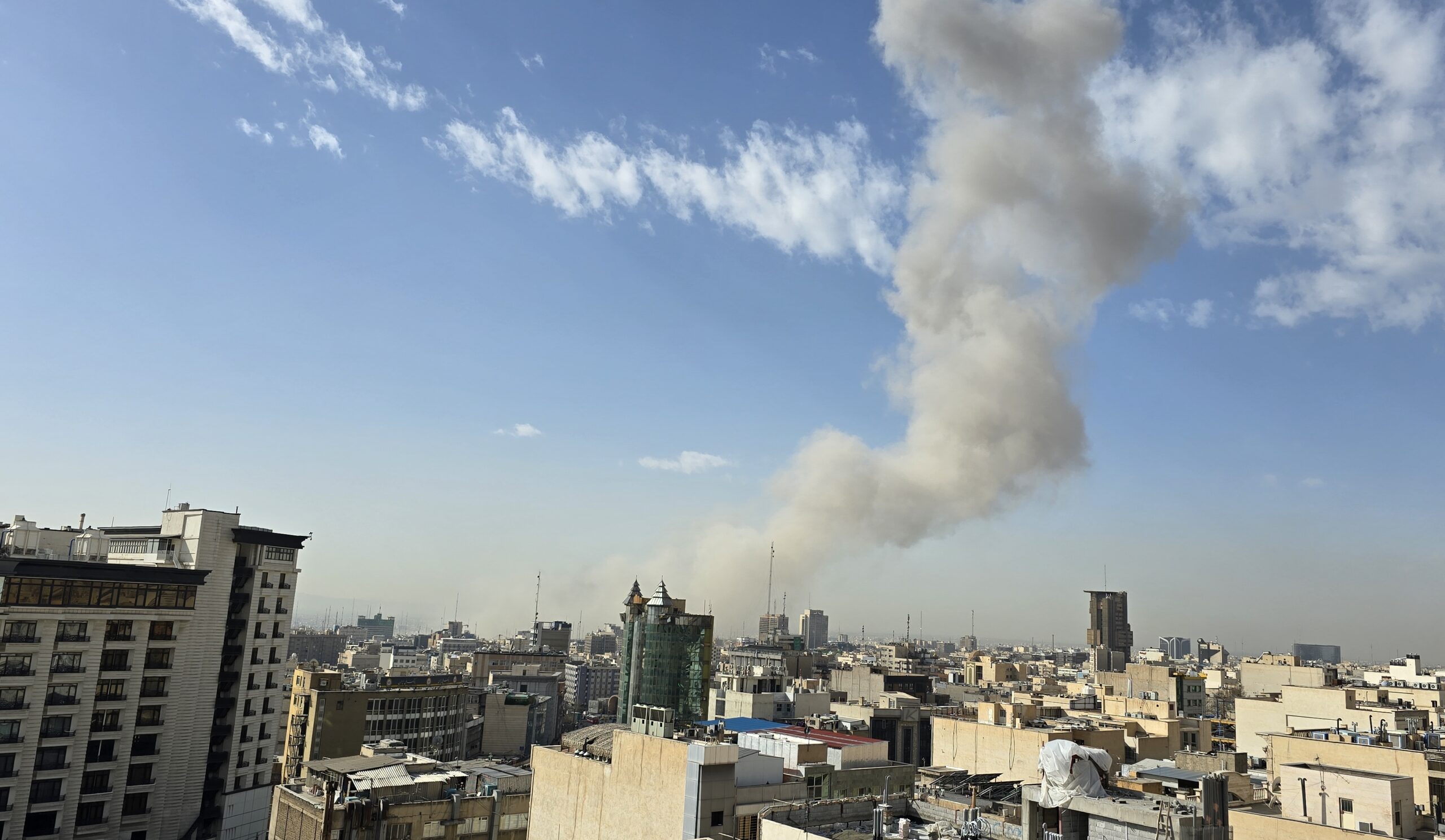
Satellite images and geolocated video clips showed two separate strike locations. One explosion hit inside the Sayyid al Shuhada military complex while another directly struck the girls’ school.
The visible distance between the smoke columns from the two locations matched the physical separation shown in satellite imagery. Investigators concluded the damage to the school could not be explained by debris or shrapnel from the nearby base.
Historical satellite images reviewed by investigators showed the building was once part of a military complex. However major changes were introduced in 2016 that separated the school area from the rest of the base.
New internal walls were constructed and additional gates were opened directly onto public streets for students and staff. Security watchtowers were removed and the building was converted into an independent facility serving civilian education.
Later imagery showed playground areas, painted walls and civilian vehicles entering the site, indicating the building had been operating as a primary school for years before the strike.
Legal concerns
Human rights organisations say the presence of nearby military facilities does not remove the legal protection given to schools under international humanitarian law.
The Euro Med Human Rights Monitor described the bombing as a “horrific crime and a consolidation of the collapse of civilian protection”. The group said children and teachers remain protected persons under international law regardless of their parents’ professions.
Experts say attacks that fail to distinguish between military targets and civilians can constitute serious violations of the laws of war. Schools and hospitals are considered protected sites unless they are directly used for military operations.
Historical pattern
Analysts note that the Minab strike echoes previous incidents in which civilian locations were hit during military operations.
In 1970 Israeli aircraft bombed the Bahr al Baqar elementary school in Egypt, killing dozens of children. Israeli officials at the time claimed the site was a military facility.
Other examples include the 1991 bombing of the Amiriyah shelter in Baghdad by the U.S. Air Force and the 1996 shelling of the UN compound in Qana in southern Lebanon. Investigations into both incidents later concluded that civilians had been present in large numbers when the attacks occurred.
Critics argue these cases highlight a recurring pattern in which civilian facilities are struck during military campaigns and responsibility is initially disputed before later investigations raise serious questions about targeting decisions.