


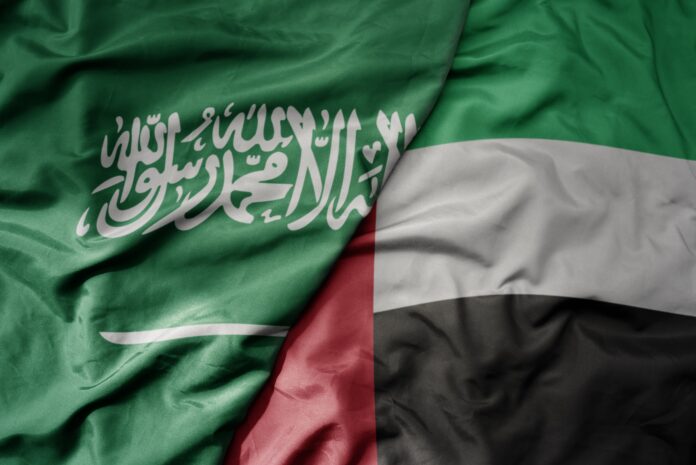
The United Arab Emirates has officially withdrawn its forces from Yemen following a Saudi-led airstrike on an Emirati weapons shipment in southern Yemen, and mounting criticism from Saudi Arabia over the UAE’s backing of separatist forces in the country.
On Tuesday morning, Saudi authorities confirmed that they had targeted a shipment of weapons and vehicles that arrived at the Yemeni port of Mukallah from Fujairah, a port city on the UAE’s east coast.
The UAE met a 24-hour deadline to withdraw all its forces from Yemeni territory after warnings from both Yemen and Saudi Arabia to halt its support for the Southern Transitional Council (STC) in southern Yemen.
In a statement issued on Tuesday, the UAE Ministry of Defence addressed the rising tensions, saying: “Given the recent developments and the potential implications for the safety and effectiveness of counterterrorism tasks, the Ministry of Defence announces the termination of the remaining counterterrorism teams in Yemen of its own free will, in a manner that ensures the safety of its personnel and in coordination with the concerned partners.”
The announcement came shortly after the Saudi-led coalition in Yemen launched what it described as a “limited airstrike”.

Before confirming its withdrawal, the Emirati foreign ministry had rejected the Saudi claims.
“The UAE categorically rejects any attempt to implicate it in the tensions between Yemeni parties and condemns the allegations of pressuring or directing any Yemeni party to carry out military operations,” the ministry said.
Subscribe to our newsletter and stay updated on the latest news and updates from around the Muslim world!
Saudi airstrikes
Early on Tuesday, the Saudi military struck a UAE shipment containing arms and vehicles allegedly destined for STC forces in southern Yemen. In a statement, the Saudi military said the ships’ crews had disabled tracking devices and unloaded large quantities of weapons and combat vehicles in support of the STC.
Saudi authorities claimed the shipment “constituted an imminent threat”, prompting the airstrikes.

According to Saudi state media, no casualties were reported, with officials saying the operation was carried out with precision and in accordance with international humanitarian law.
However, the STC rejected the Saudi account. A spokesperson for the group said the strikes targeted civilian infrastructure.
“It’s a clear violation of human rights and places civilians in danger,” said Mohamed Alsahimi, head of the STC’s UK office. “It disrupts civil peace and freedom of navigation as well. There is no legal justification for these strikes.”
Yemen orders UAE withdrawal
Following the strikes, Yemen’s government announced it was cancelling its joint defence agreement with the UAE and ordered the withdrawal of all Emirati forces within 24 hours.
The spokesperson for the Saudi-led coalition, Major General Turki al-Maliki, said the Emirati move reflected “a continuation of a systematic approach over years”, accusing Abu Dhabi of pressuring the STC to act unilaterally and undermine Yemen’s internationally recognised government.
Riyadh also said Emirati support for the STC posed a “threat to the Kingdom’s national security and the security and stability of Yemen”.
International criticism of the UAE’s role in conflicts abroad has intensified in recent months. Most notably, Abu Dhabi has been widely accused of backing the paramilitary Rapid Support Forces (RSF) in Sudan’s civil war, which has been marked by war crimes, mass rapes and genocidal atrocities.
While the UAE has denied these allegations, it remains under heavy international scrutiny over its financial and military involvement in Sudan’s conflict.