


A British-Egyptian activist and former detainee of Egypt’s notorious political prisons has apologised for a series of historic social media posts following political backlash after his return to the UK.
Alaa Abd el-Fattah issued the apology days after his release from long-term detention in Egypt, after old tweets and posts resurfaced criticising Britain, Israel and Zionism, and containing language some have described as anti-white and pro-violence.
In a public statement released on Monday, Abd el-Fattah said some of the language used more than a decade ago was wrong and caused harm, adding that it did not reflect his current beliefs or values.
“I regret the harm my words caused,” he said, adding that he took responsibility for the language used and apologised to those affected.
He acknowledged that several posts were written during moments of intense anger following widespread violence in the Middle East, stressing that they were made in a very different political and personal context.

The apology followed criticism from UK politicians and media figures, who highlighted historic posts referencing resistance, violence and Zionism shortly after his arrival in Britain.
Political backlash
Subscribe to our newsletter and stay updated on the latest news and updates from around the Muslim world!
Abd el-Fattah returned to the UK on Friday after spending around 12 years in Egyptian prisons.
His release followed sustained diplomatic pressure from the UK government, after he was granted British citizenship in 2021 under the Conservative administration led by Boris Johnson, citing family ties and human rights concerns.
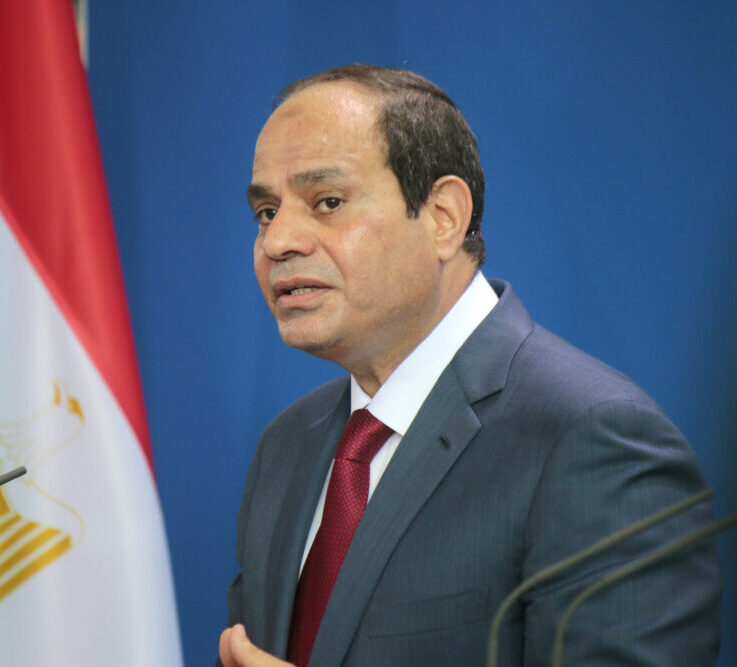
The UK government had repeatedly raised his case with Egyptian authorities, and his detention became emblematic of repression under President Abdel Fattah el-Sisi.
Senior politicians welcomed his release as a diplomatic success. Prime Minister Keir Starmer said he was “delighted” that Abd el-Fattah had been freed.
However, the resurfacing of his past online statements quickly shifted the political tone.

In 2014, Abd el-Fattah withdrew from consideration for the Sakharov Prize after a supporting group said it had uncovered a 2012 tweet it viewed as endorsing violence against Israelis.
“I am shaken that, just as I am being reunited with my family for the first time in 12 years, several historic tweets of mine have been republished and used to question and attack my integrity and values, escalating to calls for the revocation of my citizenship,” Abd el-Fattah said.
“Looking at the tweets now — the ones that were not completely twisted out of their meaning — I do understand how shocking and hurtful they are, and for that I unequivocally apologise.”
Some opposition figures questioned whether the government should have supported his return, describing the past comments as “unacceptable” and calling for further clarification.
Abd el-Fattah rejected claims that he supports violence or hatred towards any religious group, saying his work has consistently focused on opposing authoritarianism and defending civil liberties.
He pointed to years of activism in support of political prisoners, minorities and victims of state violence across the region.
Background context
Abd el-Fattah has long been known for outspoken views on Palestine and regional injustice. Supporters argue that his online comments reflected frustration during periods of intense Israeli military violence, and that such language was common in activist discourse at the time.
Human rights groups have warned against using historic social media posts to undermine campaigns against political repression, arguing that this risks diverting attention from ongoing abuses by authoritarian states.
Abd el-Fattah spent much of the past decade in prison under harsh conditions, drawing condemnation from international organisations and UN experts. He was jailed multiple times following Egypt’s 2011 uprising, with rights groups saying he was repeatedly denied due process and adequate medical care.
Since his release, Abd el-Fattah has said he intends to spend time with his family and recover, and has not announced plans to resume public political activity.
The episode highlights ongoing tensions in Britain around free speech, Palestine advocacy and accountability for historic online speech.