


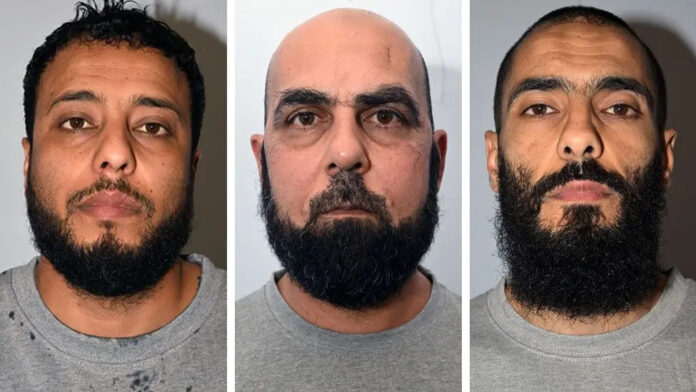
Two men have been convicted of plotting an ISIS-inspired attack on Jewish communities in the north-west of England.
Walid Saadaoui, 38, and Amar Hussein, 52, were convicted of making preparations to commit a large-scale terrorist attack, while Walid Saadaoui’s younger brother Bilel Saadaoui, 36, was convicted of failing to disclose to authorities the information he knew about their plans, following a trial at Preston Crown Court which concluded today.
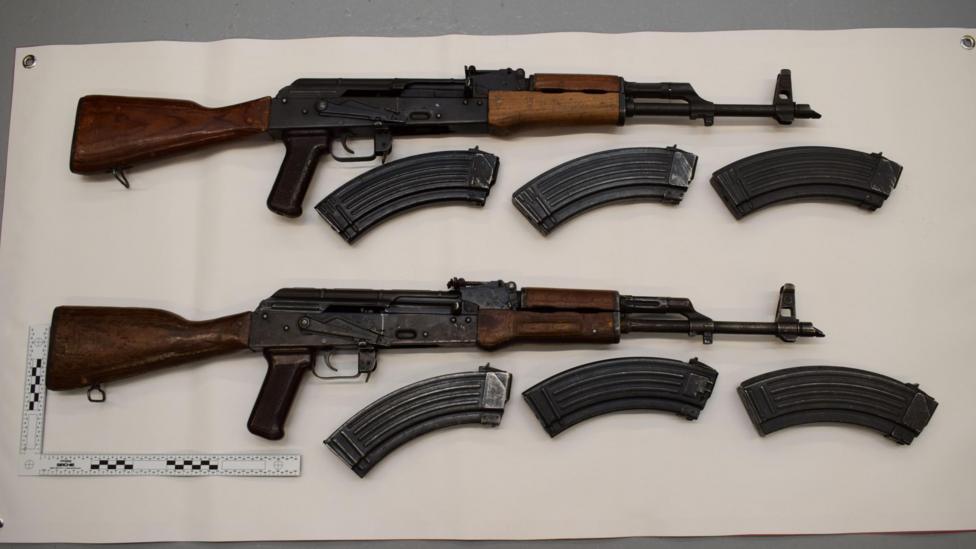
Walid Saadaoui, originally from Tunisia, planned to smuggle four high-powered military grade AK 47 rifles, two pistols and 900 rounds of ammunition into the UK. He had paid a deposit on the weapons in February 2024. His plan was to use these to carry out an attack on a mass march against antisemitism in Manchester city centre, and then to move the attack to an area of north Manchester occupied predominantly by the Jewish community.
Known to be an ISIS supporter, Hussein, originally from Syria, was recruited to help with the plan – which included killing law enforcement officers who might intervene.
Walid Saadaoui carried out reconnaissance of targets in Greater Manchester. He and Hussein also travelled to view the port of Dover in March and May 2024. In May 2024 they believed they were watching the weapons being transported by vehicle into the UK. The men also secured and equipped a safe house for storing weapons they would use between December 2023 and May 2024.

Bilel Saadaoui, originally from Tunisia, was Walid Saadaoui’s confidant. He shared his brother ISIS convictions, however he was reluctant to join in on an attack in the UK. Instead he offered to provide support for Walid Saadoui’s family after his death, holding a key for a safe which contained £70,000 of his brother’s money.
He also had a copy of his brother’s will, in this way it was intended to protect Walid Saadaoui’s assets being seized by the police in the event of his death.
Subscribe to our newsletter and stay updated on the latest news and updates from around the Muslim world!
The plot was uncovered through an operation involving an undercover officer posing as a like-minded extremist. The witness gained Walid Saadaoui’s trust. Believing him to share the same beliefs, Walid Saadaoui began to share his ideas, and through the undercover officer believed he had arranged the importation of firearms.
On May 8, 2024, Walid Saadaoui was arrested by Counter Terrorism police as he attempted to take possession of two assault rifles, a semi-automatic pistol, and almost 200 rounds of ammunition.
During the trial at Preston Crown Court, three men each put forward distinct defences in response to charges connected to a foiled terrorist plot.
Walid Saadaoui told the jury that he never intended to carry out an attack. Instead, he claimed he was “playing a role” when communicating with others involved and that his true intention was to sabotage the plan and report it to the police. He said he believed he could gather evidence, destroy weapons, and then alert authorities. Walid also maintained that he was pressured by others and did not realise he was speaking to an undercover police officer.
Bilel Saadaoui denied knowing enough to require reporting anything to the authorities. In court, he portrayed himself as living a quiet family life, saying he was not involved in planning violence. He also described his arrest as traumatic, stating that he initially thought he was being kidnapped rather than arrested by police.
And Amar Hussein denied involvement in planning an attack and argued that his communications were misinterpreted by the prosecution. He claimed he did not intend to engage in violence and that conversations cited in court were not meant literally.
Frank Ferguson, Head of the Special Crime and Counter Terrorism Division, said: “This was a deeply disturbing plot inspired by extremist ideology. Had these terrorists succeeded – it would have led to mass murder and been one of the deadliest attacks on Jewish communities in this country.
“The investigation and prosecution deployed a highly trained witness who made sure their plot did not succeed and secured valuable evidence directly from the mouths of the terrorists. This laid bare their intention to destroy lives, their long-held attitudes and beliefs as well as their ISIS credentials. We worked closely with counter-terrorism officers to ensure the strongest possible case was built from the outset and presented in court to the jury, resulting in these convictions.
“Terrorism is an attack on the very fabric of our society. We will always use the law to protect communities from harm and relentlessly hold offenders to account, making sure they face the toughest legal consequences for their actions.”