




An Iranian official announced that around 1.6 million undocumented Afghans have been deported from the country since Tehran launched a crackdown on unauthorised migrants amid growing security concerns.
Nader Yar-Ahmadi, the head of Iran’s Centre for Foreign Nationals and Immigrants Affairs at the Ministry of Interior, announced the figure, stating that the 1.6 million Afghans had been deported since the government launched a campaign targeting undocumented migrants.
Previously, there were estimated to be 6.1 million Afghans present in Iran, but since the mass-scale deportations in 2025, the number has significantly dropped.
“These individuals have been removed from the total number of Afghan nationals in the country,” Yar-Ahmadi told Iran’s ISNA news agency. “If we subtract the 1.6 million deported from the estimated 6.1 million Afghans previously present, about 4.5 million remain in Iran.”
Yar-Ahmadi added that there are also considered to be between 400,000 and 500,000 Afghans labelled as a “floating population,” as they continuously cross over Iran’s borders.

Despite intensified enforcement restrictions from Iranian border police, the entry of undocumented Afghan migrants has recently increased since September, Yar-Ahmadi added.
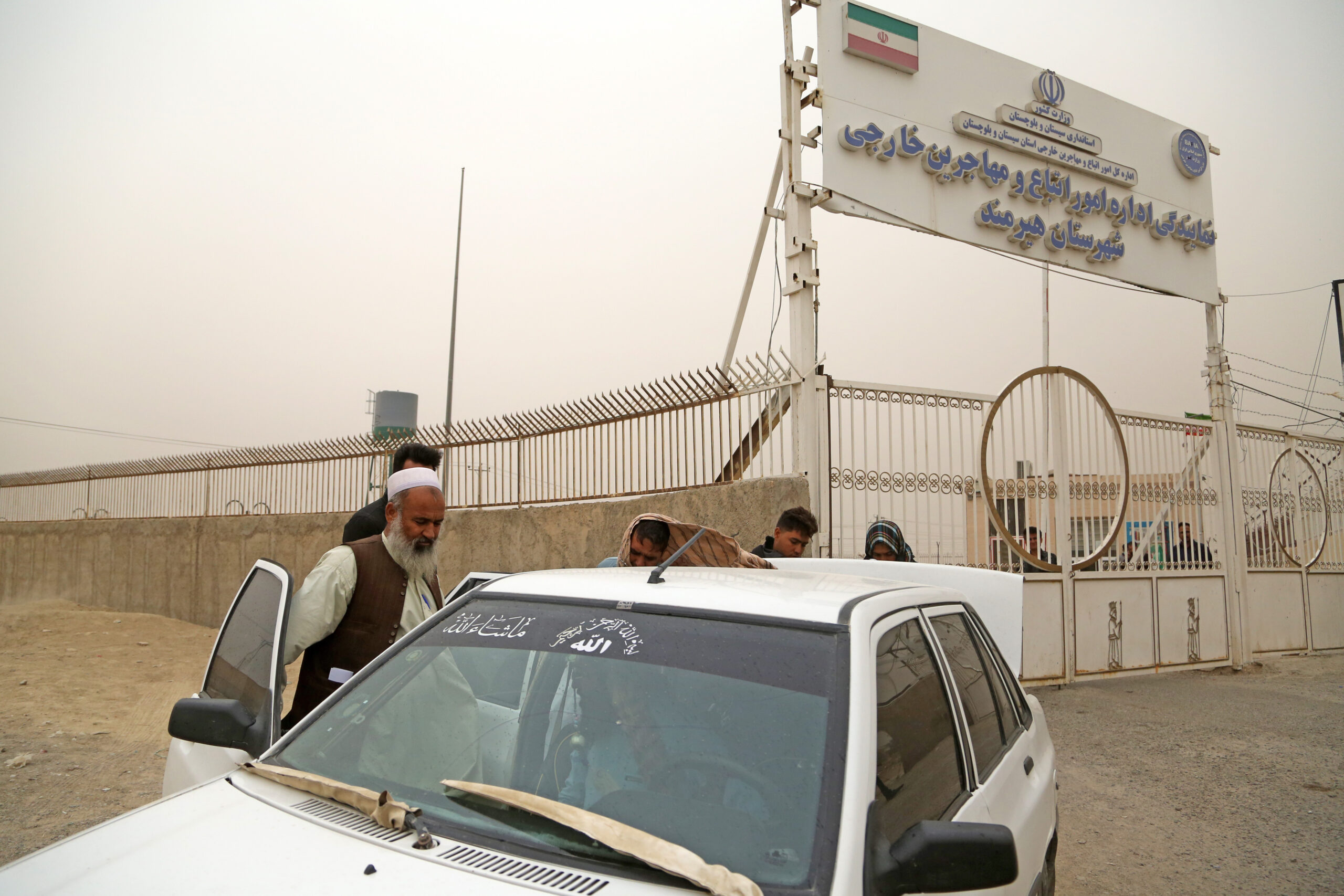
Yar-Ahmadi acknowledged that illegal migration cannot be fully eliminated, but that they are sending between 2,500 and 3,000 undocumented Afghans back to Afghanistan each day, describing the number of returns as “unprecedented.”
Subscribe to our newsletter and stay updated on the latest news and updates from around the Muslim world!
The Iranian authorities’ mass expulsions grew significantly following the aftermath of the brief war between Israel and Iran in June 2025.
Between July and October 2025 alone, over 900,000 Afghans were expelled from the country. However, from January to October, 1.6 million were said to have been deported.
Concerns over returnees
Amnesty International called on December 17 for Iranian authorities to halt the “forced expulsions” of Afghans back to Afghanistan.
They deemed that the expulsions were “unlawful” and that Afghan refugees and asylum seekers across Pakistan and Iran, and even some European states, were being forcibly returned.
The report by Amnesty International follows remarks they made last week at the UN Assistance Mission in Afghanistan (UNAMA), where deputy head Georgette Gagnon told the UN Security Council that about 2.5 million Afghans have returned to the country so far, a figure she said represented a 6% population increase that is worsening existing economic, climate and humanitarian pressures.
Amnesty’s most recent statement also raised concerns over women’s and girls’ treatment by the Islamic Emirate of Afghanistan (IEA), as they said that about 60% of the returnees are women and children.

Amnesty also expressed concern over former government officials and members of the former security forces who fled the country following the takeover by the Taliban in 2021.
The former officials, although granted general amnesty by the IEA for their work under the former government, fear that they will still be targeted, as a number of “arbitrary arrests, torture, unlawful detention, and extrajudicial killings” have been reported by media outlets critical of the IEA.
Iran has had a long history of hosting the world’s largest Afghan refugee population, many of whom began to flee decades ago as the country was caught between wars and economic hardship.
The escalation of Afghans crossing the Iranian border jumped significantly in 2021. However, various aid agencies are warning of the potential destructive impacts of the mass return of millions of Afghans, as Afghanistan deals with growing humanitarian crises.
In August 2025, a survey by the UNHCR reported that 82% of returnees were in debt due to displacement, lack of jobs, and loans taken to meet their basic needs upon arrival in Afghanistan.