


As the death toll in Gaza continues to rise and Israeli violate mount, U.S. President Donald Trump remains adamant the Gaza ceasefire “is still in place.”
At least 44 people, including women and children, were killed in Israeli attacks on various parts of the Gaza Strip, in violation of the ceasefire agreement, on Sunday.
An imaginary “yellow line” defined under the ceasefire agreement for the withdrawal of the Israeli forces has become a lethal zone for many Palestinians in the Gaza Strip who are shot at if they come too close.
Israeli forces also continued artillery fire east of Deir el-Balah in central Gaza, accusing the Palestinian armed group Hamas of violating the ceasefire, which they denied.
President Trump insisted that the cease-fire in the Gaza Strip is “still in place” despite accusations from both Hamas and Israel that each side has violated the truce.


( Celal Güneş – Anadolu Agency )
“We wanna make sure that it’s going to be very peaceful with Hamas, and as you know, they’ve been quite rambunctious,” Trump told reporters aboard Air Force One on Sunday evening.
“They’ve been doing some shooting and we think maybe the leadership isn’t involved in that. Some rebels within, but either way, it’s going to be handled properly.”
Subscribe to our newsletter and stay updated on the latest news and updates from around the Muslim world!
A reporter then asked: “Is the ceasefire still in place?”
Trump replied: “Yeah, it is.”
U.S. Special Envoy for the Middle East Steve Witkoff and Trump’s son-in-law Jared Kushner arrived in Israel to discuss implementing the Gaza ceasefire agreement.
Israeli news site Haaretz reported that the pair were expected to meet Prime Minister Benjamin Netanyahu and senior officials to address the next phase of the deal. This includes the creation of a multinational task force in Gaza, the withdrawal of Israeli troops, and the disarmament of Hamas.
Their visit precedes Vice President JD Vance’s expected arrival to follow up on the same issues.
The discussions are linked to Trump’s 20-point peace plan, unveiled on September 29, which included an immediate ceasefire and gradual release of detainees from both sides.
The Gaza ceasefire agreement, signed on 9 October and brokered by the US, Qatar, Egypt, and Turkey, came into effect the following day. The plan also aims to establish a new governing mechanism in Gaza without Hamas and to rebuild the enclave with international assistance.
Israeli violations
According to Palestinian media, Israel has committed 80 violations of the ceasefire agreement since 10 October, resulting in the death of 97 Palestinians, the injury of 230 others, and the arrest of dozens of civilians.
Hamas also claim several Israeli violations regarding military activity beyond the yellow line, citing artillery and drone attacks on civilians seeking to return to their homes.
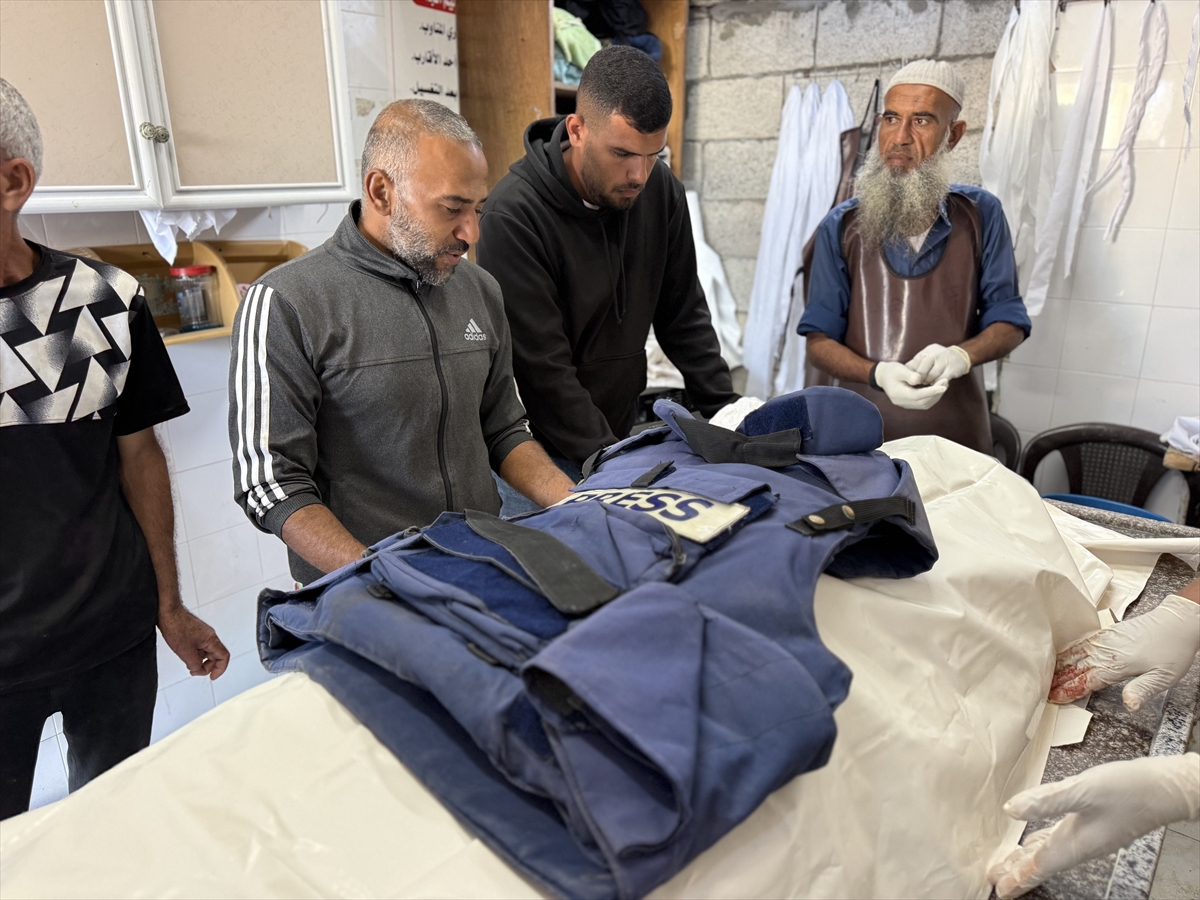
Hamas described the Israeli attacks on Palestinians along the line as “full-fledged crimes that expose the (Israeli) occupation’s premeditated intent to target unarmed civilians without justification.”
Israel has denied the claim, alleging that it has targeted “terrorists” who attempt to violate the yellow line.
Hamas has called on Trump and Arab mediators to follow up on the Israeli violations and compel Tel Aviv to respect the ceasefire agreement and stop endangering Palestinian lives.
Since October 2023, Israel’s genocidal war has killed more than 68,000 people and injured more than 170,000, according to the Gaza Health Ministry.
U.S. warns Lebanon
Amid rising regional tension, U.S. envoy Tom Barrack warned that Lebanon could face another Israeli assault if it fails to disarm Iran-backed Shia armed group Hezbollah.
He wrote on social media, “If Beirut fails to act, Hezbollah’s military arm will inevitably face major confrontation with Israel at a moment of Israel’s strength and Iran backed Hezbollah’s weakest point.”
Lebanon’s government had issued a decree to disarm Hezbollah, which the group rejected as a “grave sin,” saying it will ignore the order. Hezbollah’s leadership has issued its own warnings that any meaningful attempt to disarm the group could plunge Lebanon into a civil war.
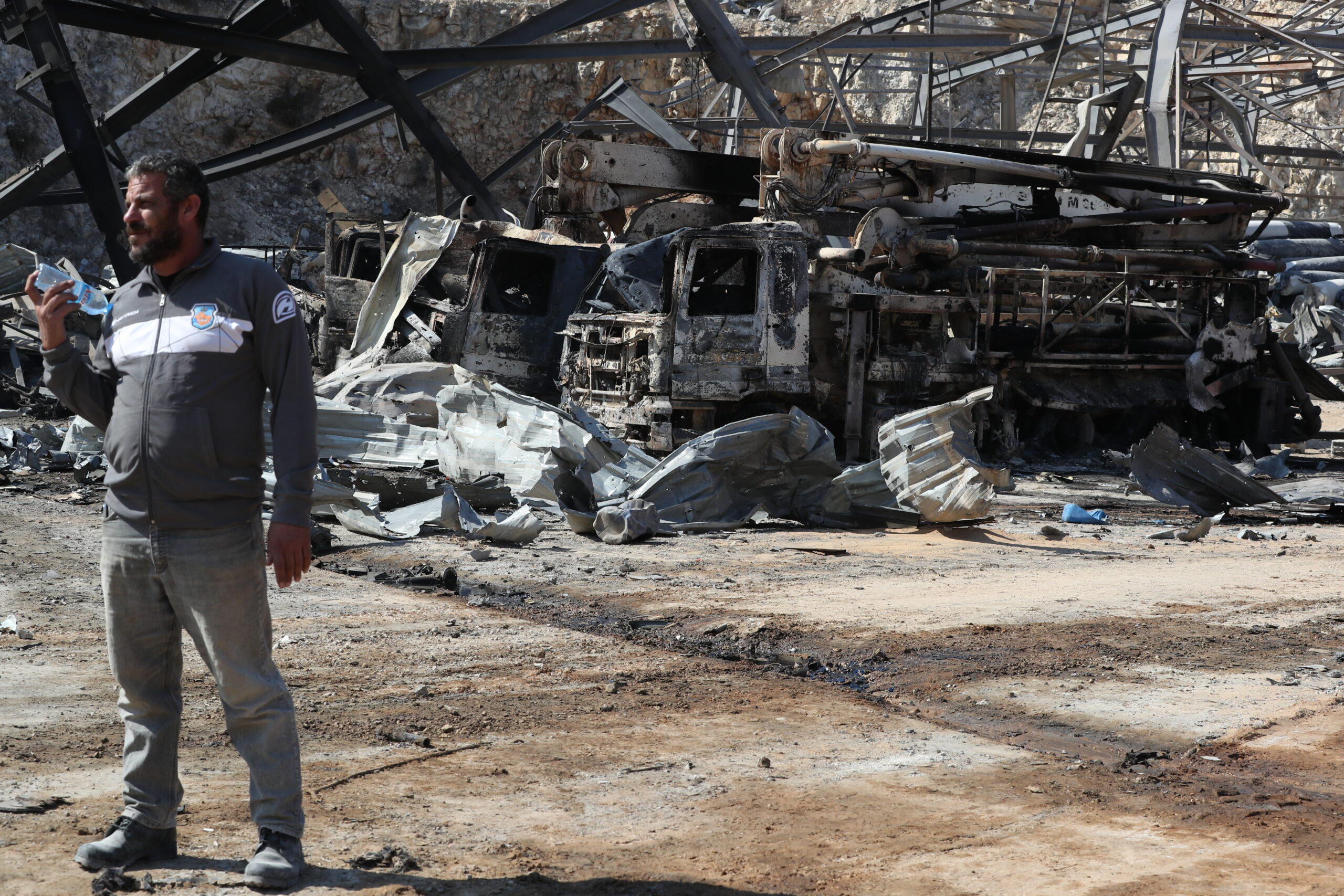
Barrack noted that Beirut’s aim to establish the Lebanese army as the nation’s only armed force was still more of a goal than a reality, pointing to Hezbollah’s entrenched political influence.
Barrack also warned Monday against political turmoil in Lebanon over the postponement of next year’s parliamentary elections.
“Postponing the 2026 elections under the pretext of war would ignite major chaos within Lebanon, fracturing an already fragile political system and reigniting sectarian distrust,” Barrack said on X.
Also on Monday, Israeli warplanes launched three airstrikes in southern Lebanon, in the latest violation of another ceasefire agreement in place between Hezbollah and Israel since November 2024.
A Lebanese news agency said fighter jets hit the areas of Al-Mahmoudiyah, Al-Ayshiyah, Arabsalim, and Humin Al-Fawqa. No information was yet available about injuries or casualties.
Fragile truce amid diplomatic pressure
The ceasefire and prisoner-swap deal remain fragile amid continued Israeli bombardments and mutual accusations of violations.
France, Ireland, and other EU states reiterated that humanitarian access must expand rapidly to prevent further civilian suffering.
Trump continued to assert that the ceasefire holds, while European leaders urged Israel to honour its commitments under the Sharm el-Sheikh agreement.
Diplomatic attention is now turning toward enforcing the next phase of the peace plan, with an emphasis on rebuilding Gaza and preventing renewed escalation across the region.