




The leaders of 25 political parties in Bangladesh have signed a national reform charter with the intention of preventing fascism from returning to the country.
The agreement, known as the July Charter, was signed in Dhaka yesterday by the head of the interim government, Professor Muhammad Yunus, alongside key opposition groups such as the Bangladesh Nationalist Party (BNP) and Bangladesh Jamaat-e-Islami.
During the signing ceremony, Yunus described the event as the beginning of a new era for the country. “A new journey of Bangladesh begins with the signing of the July Charter,” he said. “This united voice of parties will lead us to have a credible national election in February next year in a festive manner.”
The document outlines a shared vision to strengthen democratic institutions and prevent the re-emergence of authoritarian rule.
The charter follows months of dialogue led by a consensus commission formed in February to develop proposals aimed at protecting democracy.

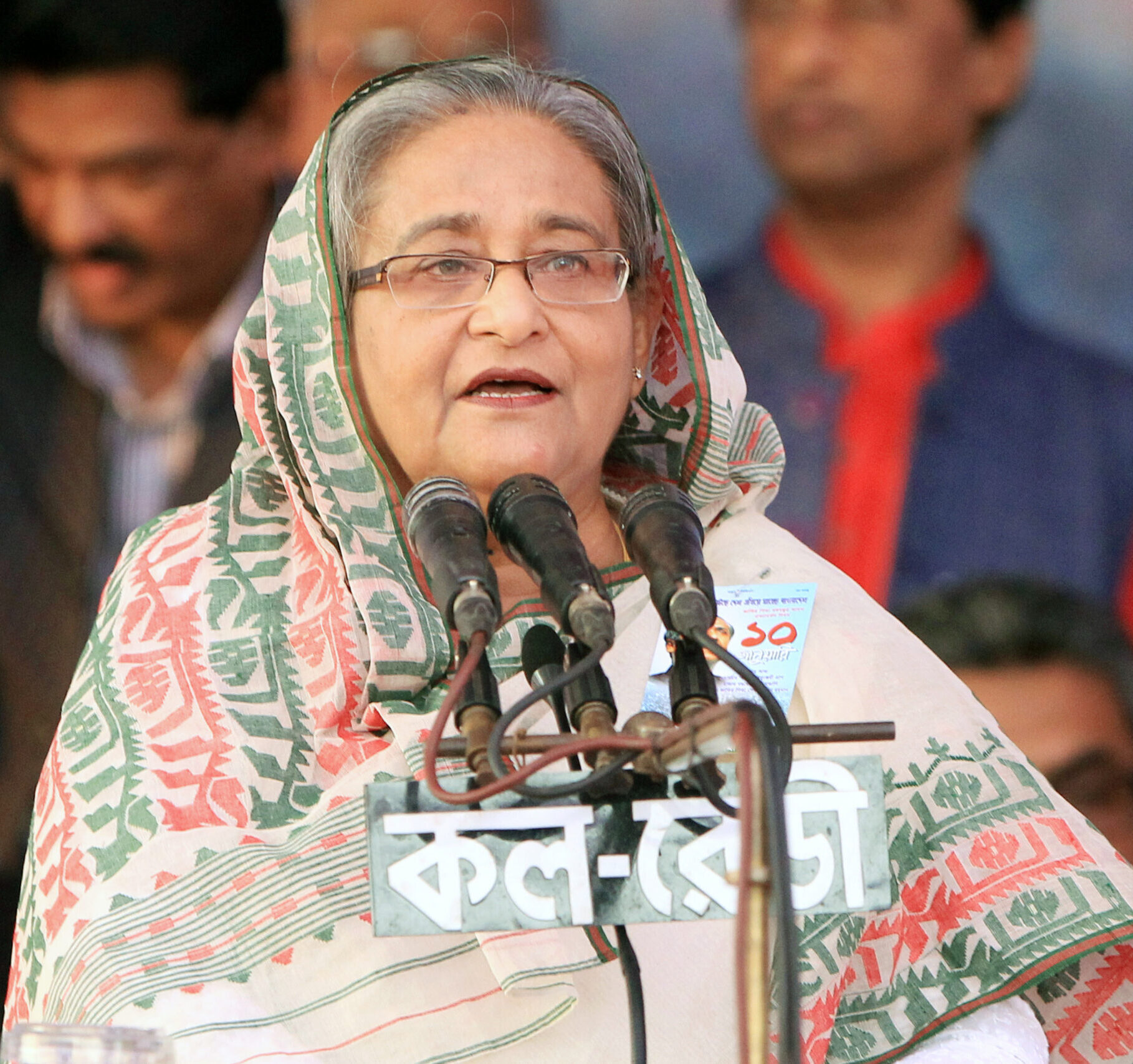
Among its most significant reforms is the plan to reinstate the caretaker government system, which previously ensured neutral oversight during elections but was abolished in 2011 under former Prime Minister Sheikh Hasina’s administration.
Hasina, who ruled Bangladesh for over a decade, was removed from power in a popular uprising last August and has since been in exile in India.
Subscribe to our newsletter and stay updated on the latest news and updates from around the Muslim world!
The United Nations estimates that 1,400 people were killed during the uprising, one of the deadliest episodes in the country’s modern history. Hasina now faces multiple legal cases in Bangladesh, including charges related to mass killings during the unrest.
However, one major stakeholder, the Nationalist Citizen Party (NCP), has declined to sign the document. The NCP, which led the protests that overthrew Hasina and initially proposed Yunus to lead the interim administration, said the charter currently lacks legal legitimacy.
In a statement posted on Facebook, one of the party’s officials said the signing ceremony “will not achieve any legal basis” and described it as “only a formality.”
The official added that unless the government provides a proper legal foundation for the agreement, the charter would “turn into another one-sided document like the ‘July Declaration’.”
Despite last-minute attempts by Chief Adviser Muhammad Yunus to persuade the party, the NCP maintained that the event lacked legal grounding and insisted that formal approval must come first.
The party, however, indicated that it could sign the charter later if its concerns are addressed, saying it intends to take part in the next phase of the consensus commission’s work.
Analysts say the agreement could mark a turning point for Bangladesh after years of political tension and polarisation. The proposed reforms, especially the revival of the caretaker system, are being viewed as vital steps towards restoring public confidence in the electoral process.