




Afghanistan’s Taliban government has denied reports of imposing a nationwide internet ban, insisting that the disruptions have been caused by a “decaying” fibre optic line that is being replaced.
The spokesman for the Islamic Emirate, Zabihullah Mujahid, said on Wednesday the “old” fibre optic infrastructure in Afghanistan has “completely” decayed and is being replaced.
“There is nothing like that we have banned internet in the country,” Mujahid said in a post on X, rejecting the reports as “rumours”.
International watchdog NetBlocks said connectivity collapsed to about 1% nationwide, severely restricting communication.
The outage that began late on Monday also affected flight operations at Kabul airport.

Internet and mobile phone networks remained shut down across Afghanistan on Tuesday, leaving millions without access to communication.
Kabul saw the sharpest drop, followed by Herat and Kandahar.
Subscribe to our newsletter and stay updated on the latest news and updates from around the Muslim world!
Provincial spokesmen previously confirmed fibre-optic cables had already stopped working in northern and southern regions.
The blackout has also hit satellite TV, with major Afghan broadcasters warning their services will be disrupted.
Impact
Flights from Kabul International Airport were cancelled, according to tracking service Flightradar24. At least nine departures and arrivals were disrupted on Tuesday morning.
Hospital services, banking systems, and government offices are also struggling.
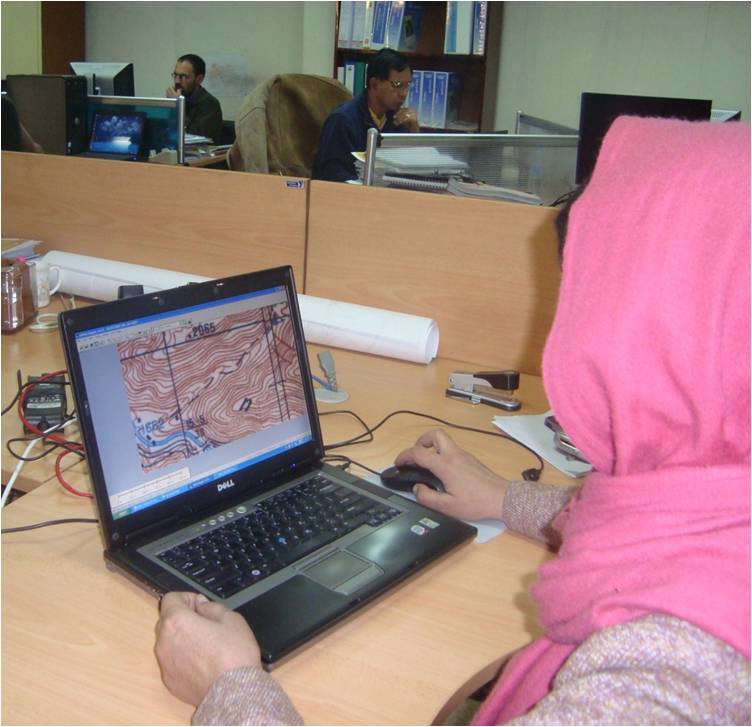
Afghan citizens abroad say they cannot contact their families inside the country.
Rights activist Nilofar Ayoubi said she had lost all connection with relatives.
Journalists at international agencies including AFP and AP said they were unable to reach their Kabul bureaus.
The blackout risks worsening Afghanistan’s economic crisis, as many Afghans rely on online businesses and social media platforms for income.
E-commerce sites like Aseel, which supports women selling crafts abroad, now face major disruption.
YouTubers and freelancers who depend on global platforms are also affected.
Only weeks before this recent blackout, Afghanistan was struck by a devastating earthquake in the east that killed more than 2,000 people and displaced thousands more.
The disaster left rescue teams and humanitarian agencies scrambling to provide relief in remote villages.
Aid workers now fear that the internet ban will severely limit coordination of ongoing rescue and recovery operations.
Without real-time data, updates, or contact with communities, humanitarian assistance could be delayed, leaving survivors without urgent medical care, food, and shelter.
Previous restrictions
While Taliban spokesperson Mujahid claimed the recent blackout was not the doing of the government, it follows a wider tightening of restrictions in line with the group’s interpretation of Islamic law.
Supreme leader Hibatullah Akhundzada issued a decree earlier this month to restrict internet access in certain regions.
He ordered internet services to be curtailed to stop “immorality” spreading online.
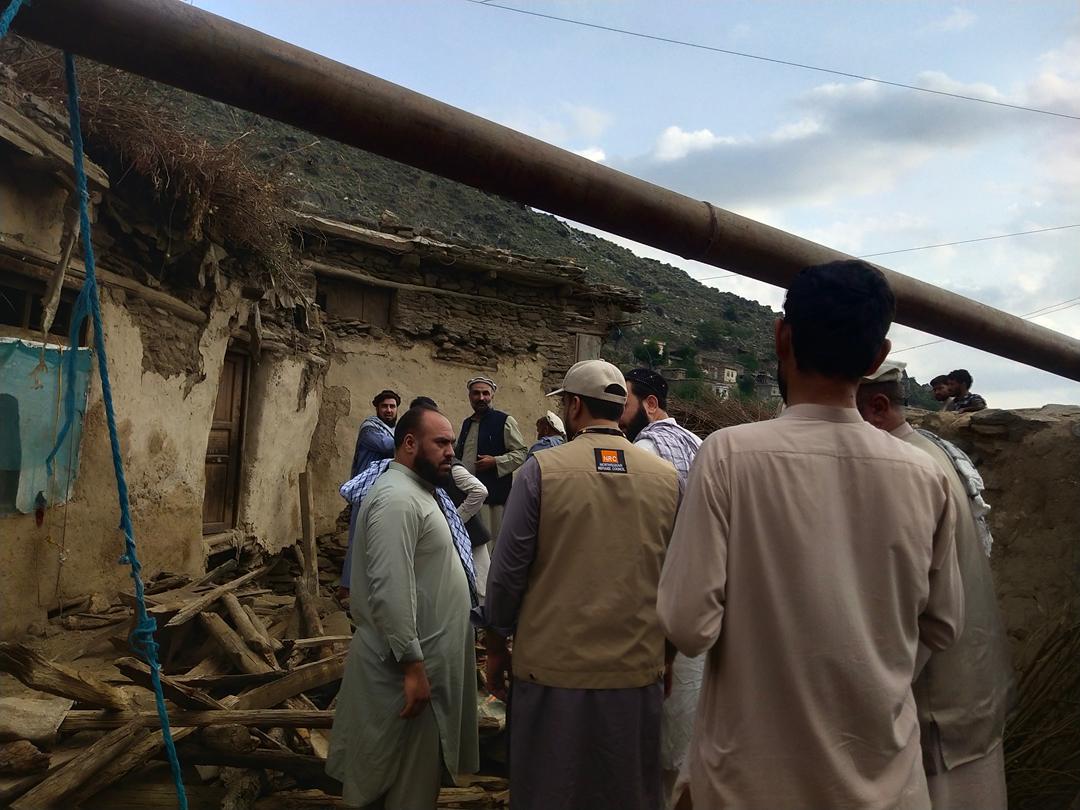
Kabul-based Tolo News said authorities gave networks a one-week deadline to end 3G and 4G services, leaving only basic 2G connections.
Local journalists warn that press freedoms may collapse further under the new restrictions.
Reporters without Borders (RSF) said Afghan media, already under heavy censorship, will struggle to operate without access to digital tools.
Independent outlets face closure, deepening the information vacuum both inside and outside the country.
Taliban officials have doubled down on the policy, portraying the previous internet restrictions as a moral necessity.
A spokesman in Balkh said internet access had fuelled vice and foreign influence, insisting a domestic alternative will eventually replace global networks.
Officials claim “eight to nine thousand telecommunications pillars” have already been disabled and gave no timeline for restoration.
UPDATE: As of 3pm (BST) Wednesday 1 October, internet connection is back in Afghanistan.