




Bangladesh’s interim leader, Muhammad Yunus, has presented a seven-point proposal at an international conference in Cox’s Bazar to end Myanmar’s persecution of Rohingya Muslims and ensure safe repatriation.
Bangladesh currently hosts around 1.3 million Rohingya refugees, most of whom fled a deadly military crackdown in Myanmar’s Rakhine state in August 2017. On Monday, interim leader Muhammad Yunus outlined a seven-point proposal at an international conference in Cox’s Bazar to address the crisis and push for the safe, voluntary, and sustainable return of Rohingya refugees.
The plan called for adequate funding, the cessation of violence by Myanmar forces and the Arakan Army, and the creation of a dialogue platform for Rohingya rights. It also urged stronger international action, particularly from the International organisation of Southeast Asian countries (ASEAN), to halt ethnic cleansing and enforce International Court of Justice (ICJ) measures designed to prevent genocide. “All parties must act to end the crisis with greater resolution without any further delay,” Yunus told delegates, warning it would be a “historic blunder” to wait until the last Rohingya leaves Rakhine.
The proposal coincided with the eighth anniversary of the Rohingya exodus, marked annually on August 25 as “Rohingya Genocide Remembrance Day.” Embassies of Canada, Britain, Denmark, Norway, Switzerland, Sweden, the Netherlands, Italy, Finland, France, and Australia in Bangladesh issued a joint statement calling for an end to violence, unhindered humanitarian access, and the release of those arbitrarily detained in Myanmar.
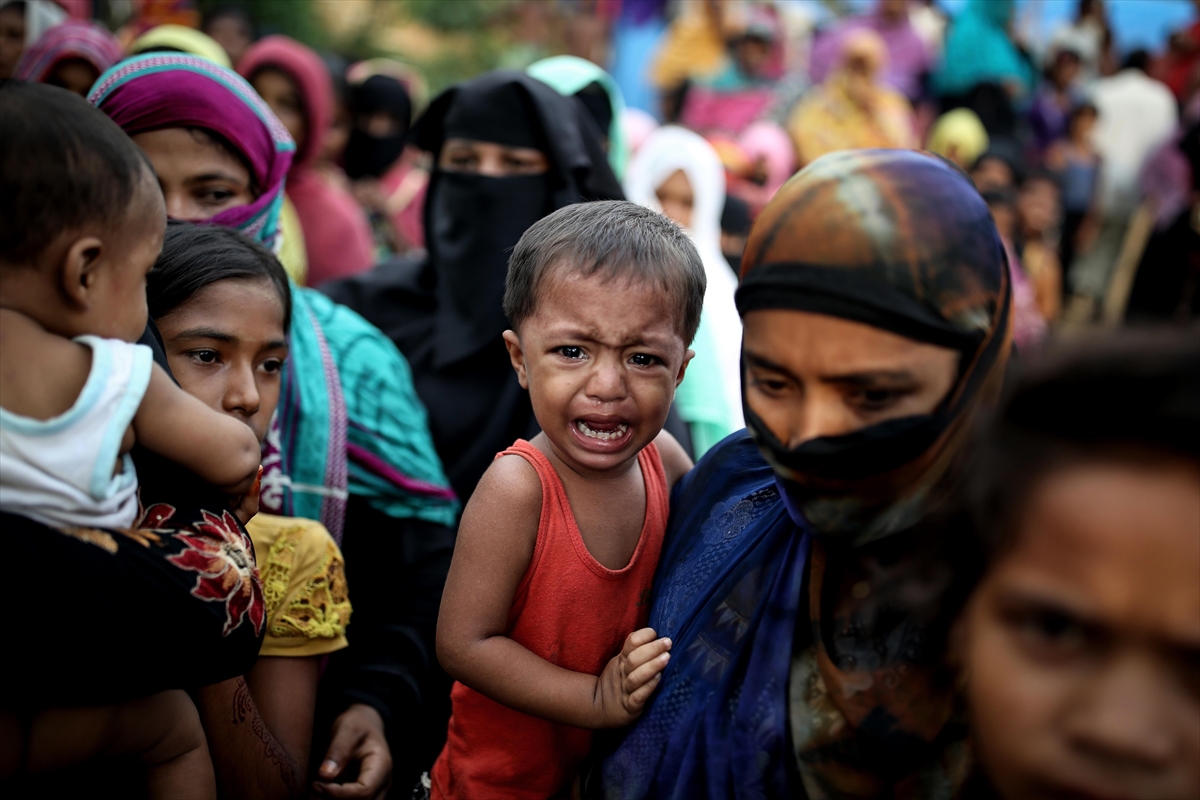
Roots of the crisis

The Rohingya, described by UN Secretary-General Antonio Guterres as “one of, if not the, most discriminated people in the world,” are a Muslim minority long denied citizenship in Myanmar.
The government excluded them from the 2014 census and insists they are illegal immigrants from Bangladesh despite centuries of presence in Rakhine state.
Subscribe to our newsletter and stay updated on the latest news and updates from around the Muslim world!
This stateless status has left them vulnerable to waves of persecution since the 1970s.
The largest exodus began on 25 August 2017, when the Arakan Rohingya salvation army (ARSA) fighters attacked security posts. Myanmar’s military, backed by Buddhist militias, responded with burning entire villages, mass killings, and widespread sexual violence. Reports state that at least 6,700 Rohingya, including 730 children under five, were killed in the first month alone.
International investigators later accused Myanmar’s military of genocidal intent. In 2019, Aung San Suu Kyi, once hailed as an icon for democracy, defended the army at The Hague, denying allegations of genocide. But in January 2020, the ICJ ordered Myanmar to take emergency steps to protect the Rohingya. Meanwhile, the International Criminal Court approved a probe into crimes against humanity, citing jurisdiction because Bangladesh is a signatory.
Ongoing displacement and risk
Today, nearly 600,000 Rohingya remain in Myanmar’s Rakhine state, where UN experts warn of a “serious risk” of repeated genocidal actions due to continuing conflict, impunity, and lack of reforms. Meanwhile, Cox’s Bazar in Bangladesh, where Yunus announced the proposal, has grown into the centre of the refugee crisis, hosting sprawling camps such as Kutupalong, now the largest in the world.
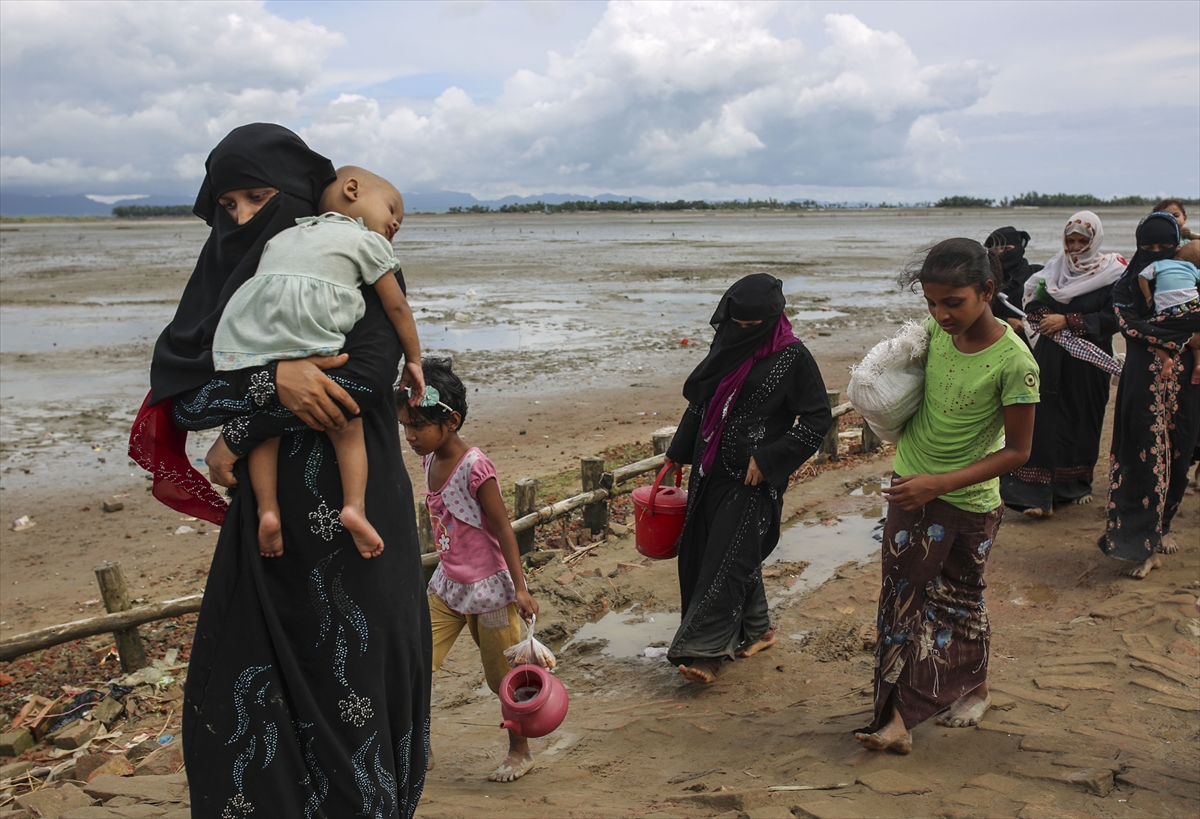
With over 95% of households dependent on aid, life remains precarious, especially for women and children who make up the majority. Many refugees risk perilous sea journeys to Malaysia and Indonesia, with one death or disappearance reported for every eight attempts in 2023.
The Bangladeshi government has also relocated nearly 30,000 Rohingya to Bhasan Char island to ease congestion, though concerns remain about long-term safety and services there. Refugees continue to demand recognition of citizenship before considering return.
The crisis remains one of the world’s largest stateless refugee situations. Despite a 2018 repatriation agreement, no significant returns have taken place. The UN calls the Rohingya “the most persecuted minority in the world,” while aid agencies warn that monsoon floods, disease outbreaks, and recurring cyclones such as Cyclone Mocha in 2023, worsen the humanitarian burden on both refugees and host communities.
For Bangladesh, Yunus’s seven-point proposal represents a fresh attempt to keep international focus on resolving the crisis, urging collective pressure on Myanmar and meaningful regional engagement. Whether ASEAN and global powers heed the call could determine if the Rohingya are able to return home with rights and safety, or remain trapped in limbo across borders.