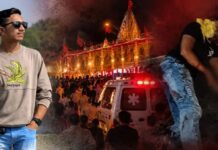




Protests have been sparked in Indian occupied Jammu, after a 21-year-old Muslim man from India’s Gujjar community was shot dead by police during an anti-drug raid, however, his family reject the drug allegations and dispute the events surrounding his death.
Mohammad Parvez, a resident of Javed Nagar, Nikki Tawi, was reportedly shot during a police operation on Wednesday and later succumbed to his injuries at the Government Medical College, in Indian occupied Jammu and Kashmir.
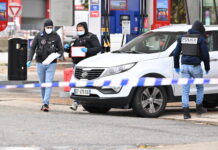
According to police, the shootout occurred during a raid on an alleged drug den in the Phallain Mandal area under “Operation Clean-up”, a state-led campaign targeting drug traffickers and criminal gangs.
“The team was fired upon by suspected drug peddlers. In the retaliatory action, one person was critically injured and later died,” said police spokesman for SP City South, Ajay Sharma.
However, Parvez’s family and local activists reject the official version of events, accusing the police of killing an innocent civilian without provocation.

“This is a fake encounter. Parvez had no First Information Report against him. If the police had any suspicions, they should have arrested him legally,” said Talib Hussain, a prominent tribal rights activist who spoke at the protest outside the hospital where Parvez’s body was taken.
He claimed Parvez and his brother-in-law were stopped at a police checkpoint and shot without warning. “He was unarmed. The police opened fire without reason,” Hussain alleged.
Subscribe to our newsletter and stay updated on the latest news and updates from around the Muslim world!
In India, a First Information Report (FIR), is a written document prepared by police when they receive information about a cognizable offence. It essentially initiates a criminal investigation and is the first step in the process of reporting a crime to the police.
Hussain also questioned police claims linking Parvez to drug smuggling, describing it as part of a pattern of profiling and targeting of the Gujjar community.
“For months, Gujjars have been targeted in the name of cattle or drug smuggling. We stayed silent before, but this cannot go unchallenged,” he said, referencing the alleged custodial death of another Gujjar youth, Altaf Lali, in Bandipora earlier this year.
Parvez’s relatives say he was employed in sand mining along the Tawi River and had no criminal background. They have demanded an independent probe into the incident, alleging police are operating with impunity.
“There was no weapon found on him. The authorities must answer how and why he was killed,” said a family member who asked not to be named.
Police have not confirmed whether any weapons or contraband were recovered at the site of the alleged shootout.
Officials say a departmental inquiry has been initiated to determine the circumstances surrounding the death, but activists have called for an independent judicial investigation, citing concerns over accountability in police operations targeting tribal Muslims.
The Gujjar-Bakarwal community, a predominantly Muslim nomadic group, has long complained of discrimination and police harassment in Jammu and Kashmir.
Rights groups have previously raised concerns about the use of extrajudicial force by Indian security agencies in the region.