




As the UK government invites public views on how to define hate against Muslims, MEND CEO Linsay Taylor argues that “Islamophobia” is the correct terminology to use when addressing this vitally important issue affecting the Muslim community.
Some people object to the word “Islamophobia” because they think the word itself is flawed. They take issue with the suffix – phobia – arguing it suggests a personal fear, much like arachnophobia, a terror of spiders.
But this narrow reading misses the point entirely. In real life, words like Islamophobia do so much more than their literal roots suggest. Just as homophobia or transphobia are used to mean prejudice against LGBTQ+ people – not a clinical fear of gay individuals – Islamophobia captures the very real hostility, prejudice and systemic discrimination directed at Muslims, or at anyone who looks or is perceived as Muslim.
It’s about racism, not just hatred
Recently, a government working group issued a call for evidence about whether it should adopt a definition of Islamophobia or stick with terms like “Anti-Muslim hatred.” But this isn’t just a debate about words — it’s a debate about whether we will face the truth of how Muslims are treated in our society. So the choice of words matters profoundly.

Islamophobia, as defined by the All-Party Parliamentary Group (APPG) on British Muslims, is “rooted in racism and is a type of racism that targets expressions of Muslimness or perceived Muslimness.”
This definition matters because it recognises Islamophobia encompasses more than just street-based hate crime; it acknowledges how racism and religious prejudice can intertwine to make Muslims targets.
Subscribe to our newsletter and stay updated on the latest news and updates from around the Muslim world!
Whether it’s names, clothing, accents, or skin colour, Islamophobia is about the racialisation of Muslim identity. It’s about a society that marks people as suspicious or dangerous simply for expressing their faith or appearing to belong to a certain community.
A growing consensus
The APPG definition of Islamophobia isn’t a fringe idea. It has been backed by over 850 organisations, more than 100 academics, and a number of political partiers, including Labour until it distanced itself from the definition after being elected into government.
This growing consensus reflects the urgency of the issue: hate crimes against Muslims have reached record levels, and Muslims face disproportionate discrimination in education, employment, housing and the criminal justice system.
Campaigners and activists have been calling for an official definition of Islamophobia for years. They understand that until we name the problem clearly, we cannot address it fully.
Just as terms like antisemitism and homophobia have given society the conceptual apparatus to understand and confront specific forms of prejudice, Islamophobia gives us a way to talk about – and combat – anti-Muslim racism.
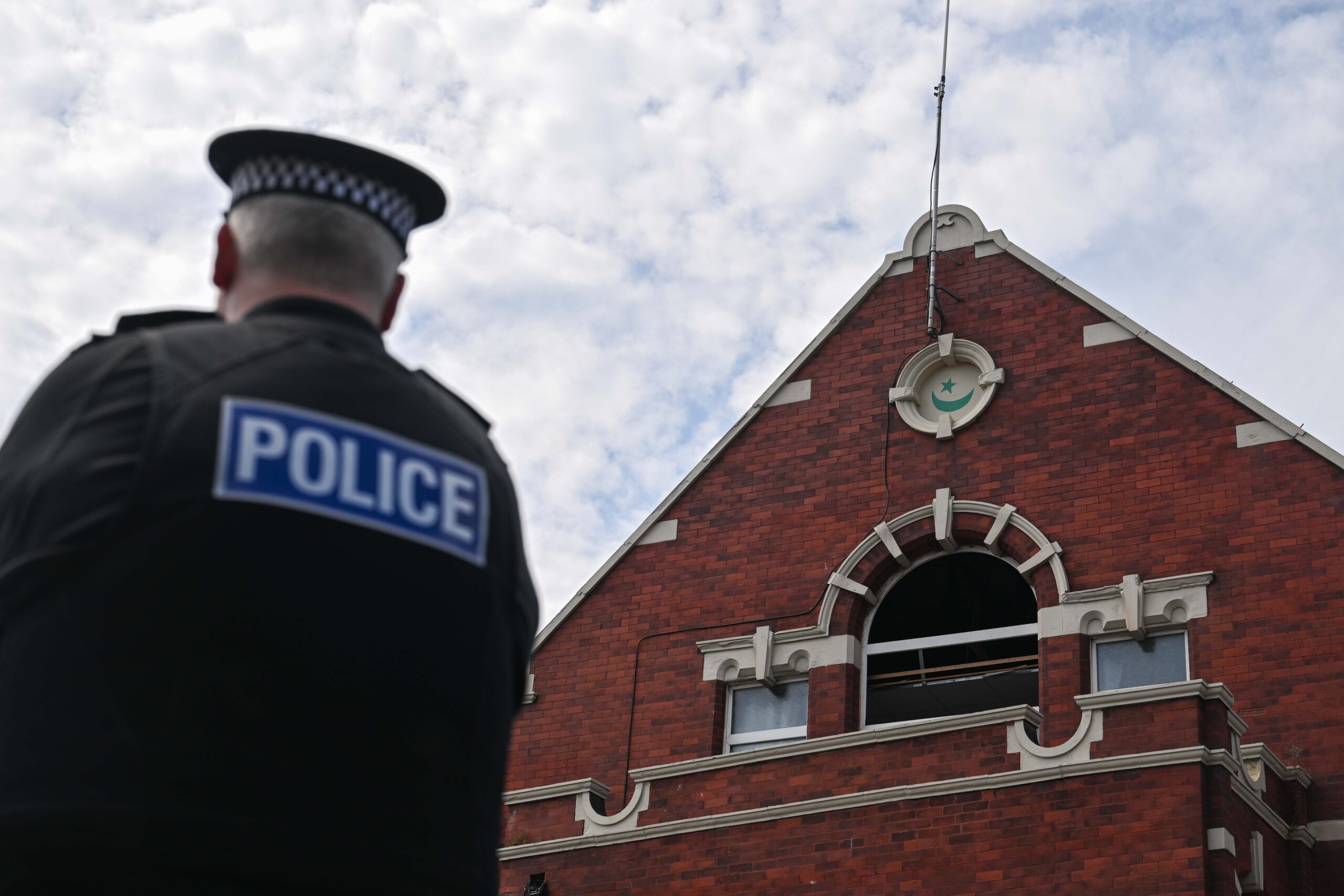
The question is not whether a word is definitionally pure; the question is whether it the word captures what Muslims face and whether it helps us describe that reality accurately. Islamophobia does that.
Some propose replacing “Islamophobia” with “Anti-Muslim hatred,” arguing it sounds clearer or more neutral. But this shift would shrink the conversation dangerously down to a level that misses important aspects of the lived reality of racialised religious discrimination faced by Muslims on a daily basis throughout the UK.
“Anti-Muslim hatred” suggests only explicit acts of violence or abuse. It misses the bigger picture: institutional Islamophobia, such as discriminatory government policies like Prevent; structural exclusions that block access to jobs, housing, or education; and the constant drip-feed of media narratives that cast Muslims as threats or outsiders.
Terms like Anti-Muslim hatred do not capture how Islamophobia is often ideologically-driven; how entire communities are stigmatised, how Muslim beliefs are portrayed as suspect or how Islamic identity is securitised.
It also misses the tragic reality that even non-Muslims, like Sikhs, are sometimes attacked simply for being mistaken as Muslim, because Islamophobia operates through racialised assumptions.
A broader, systematic problem
What makes Islamophobia such a powerful word isn’t just that it’s widely used – although it is – it’s that it gives people a way to name what they experience every day. It helps individuals and communities make sense of the prejudice woven into their lives: the job opportunities lost, the children bullied at school, the women harassed for wearing hijab and the men stopped at airports for “random” checks.
By giving these patterns a name, Islamophobia makes it possible to see them not as isolated incidents but as part of a broader, systematic problem. It also has the weight of academic research, historical context, and real human stories behind it.
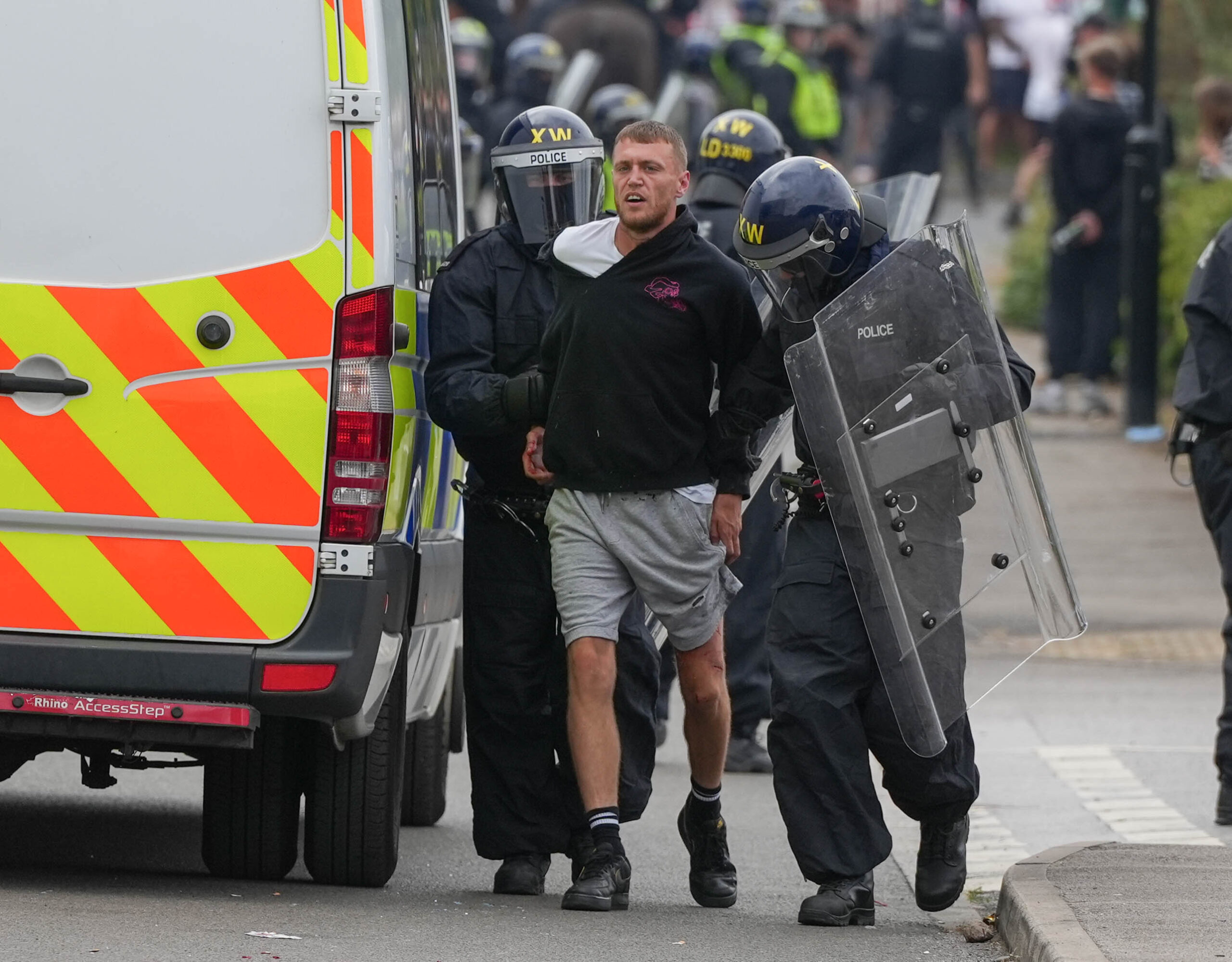
By contrast, “Anti-Muslim hatred” might sound technical or objective, but it is an incomplete concept. It does not carry the same truths around the structural and systemic discrimination faced by Muslims.
In a society where Muslim identities are constantly policed and scrutinised, where your clothes, name, language, or prayer can make you a target, defining the oppression we face isn’t a trivial matter. It’s a political act.
Language shapes what society sees as a problem worth addressing. If we can’t name Islamophobia, then we surely cannot challenge it. And if we can’t challenge it, we can’t change it.
No word is perfect. But Islamophobia gives us a common language to talk about discrimination that is personal, structural, and political all at once. That’s why Muslim communities, scholars, and campaigners stand by it – because this word isn’t just accurate, it’s necessary. And until our society accepts and understands it, we will struggle to build a world where Muslims can live free from fear, prejudice and exclusion.
The importance now is that everyone responds to the call and makes a submission. The deadline is July 20. For support and advice please see Mend’s guidance.