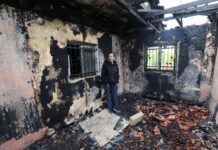




A Bosniak woman will be burying her mother after nearly 30 years of not knowing the whereabouts of her remains when she was killed by shellfire during the Srebrenica genocide in Bosnia and Herzegovina.
Behija Rotic will finally lay her mother, Fata Bektic, to rest on July 11 after carrying the pain since 1995.
Bektic, who was 67 at the time of her death, will be the only woman buried this year at the collective funeral at the Srebrenica–Potocari Memorial Center, joining thousands of victims of Europe’s worst atrocity since World War II.
Her remains were found in a shallow grave during an exhumation in 2021 — 26 years after she was killed — and were identified through DNA testing earlier this year.
Behija, now 58, is the sole survivor of the five-member Bektic family, having lost her father and two sisters in the years following the genocide.

Journey to find closure
Bektic was killed when a shell exploded near her as she and her family fled toward the UN base in Potocari in July 1995, like thousands of other Bosniak Muslims who hoped to find protection under the UN’s watch. Due to illness, she was on horseback when the shell struck.
Subscribe to our newsletter and stay updated on the latest news and updates from around the Muslim world!
“During the entire war, we stayed in our village. But when Srebrenica fell, we left for Potocari like everyone else. She couldn’t walk, but we couldn’t leave her behind,” Behija said, as she remembered the moment of the explosion that killed her mother instantly.
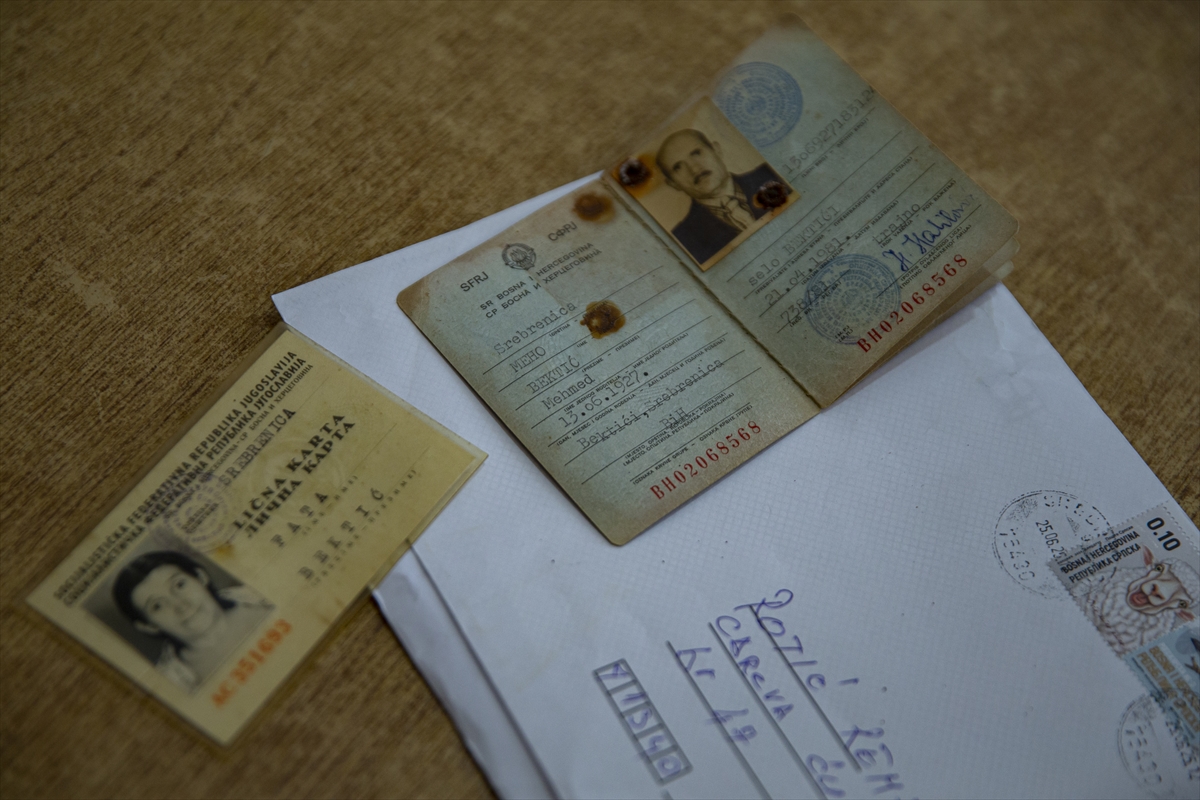
Her husband, Remzo Rotic, described how Behija’s father, Meho, was forced by Serbian forces to bury his wife in a shallow grave near Potocari.
“They told him to be grateful they even allowed a burial,” he said, adding that Meho, a devout Muslim, was later robbed by Serbian soldiers but a hidden stash of money saved his life and that of his daughters.
Years later, the family returned to the spot where Fata was buried, marking it with a white stone, only to find the grave empty during subsequent visits. The family provided DNA samples leading to the eventual identification of Fata’s remains in January.
Behija recognised her mother’s shoes during the identification process — a detail that shattered years of uncertainty and brought a painful form of closure.
Solemn burial
On July 11, the remains of seven genocide victims will be laid to rest at the Potocari cemetery, including two 19-year-old boys, Senajid Avdic and Hariz Mujic, who will be buried nearly 30 years after their deaths.
Since the end of the war, 6,765 genocide victims have been buried at the memorial centre, while 250 others have been laid to rest in local cemeteries at the request of their families. More than 1,000 victims of the genocide remain missing.
Victims were discovered in 77 mass graves across 150 locations, with the youngest being a newborn baby, Fatima Muhic, and the oldest being a woman born in 1901.
The Srebrenica genocide remains the worst atrocity in Europe since World War II, with courts in The Hague, Bosnia, Serbia and Croatia convicting 54 individuals for genocide and crimes against humanity, resulting in over 780 years of prison sentences and five life terms.
For Behija, the burial of her mother will not erase the pain of loss or the memory of violence, but it will provide the dignity of a grave and a place to grieve nearly 30 years after Srebrenica fell.
Source: AA