


Fears of a potential US strike on Iran remain despite the start of indirect talks between Washington and Tehran in Oman. Iranian leaders have warned that a failure of diplomacy could trigger a region-wide conflict, as Israel’s Prime Minister Benjamin Netanyahu travels to Washington for discussions on the negotiations.
The latest round of key nuclear talks between Iran and the US concluded Friday in Muscat after weeks of heightened tensions and public threats. The discussions were mediated by Oman, with delegations communicating through Omani officials rather than meeting face to face.
Omani Foreign Minister Badr Albusaidi said the talks were productive in clarifying the positions of both sides and identifying potential paths forward. In a post on X, he said the discussions helped outline Iranian and American thinking and identify areas for possible progress.

While no major concessions were announced, both sides agreed to return to their respective capitals for consultations. Albusaidi said, “We aim to reconvene in due course, with the results to be considered carefully in Tehran and Washington,” signalling that further talks remain possible.
The talks marked the first diplomatic engagement between Washington and Tehran in months, following escalating rhetoric and military warnings. Expectations heading into the meeting were low, according to regional officials and analysts familiar with the process.

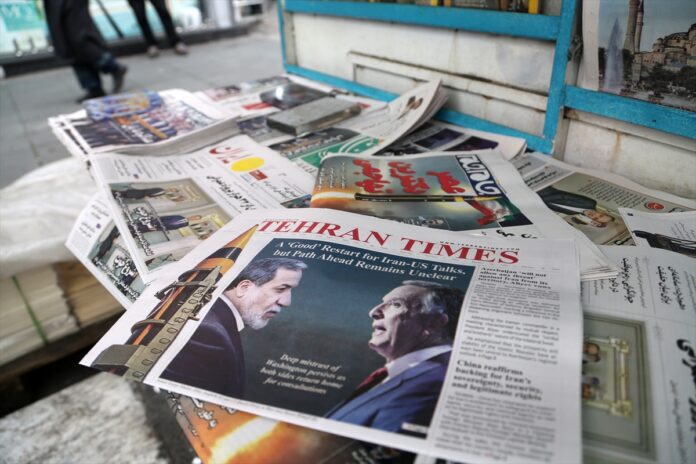
However, Iranian Foreign Minister Abbas Araghchi characterised the talks as a positive initial step. He called them “a good start,” while emphasising that progress depends on decisions made in Tehran and the willingness of the other side to rebuild trust after years of confrontation.
The United Nations welcomed the resumption of dialogue, urging a peaceful settlement of disputes. A spokesperson for Secretary General António Guterres said the talks could help reduce regional tensions and prevent a broader crisis, thanking Oman and regional partners for facilitating the discussions.
Subscribe to our newsletter and stay updated on the latest news and updates from around the Muslim world!
Israeli involvement
Israeli Prime Minister Netanyahu is expected to meet US President Donald Trump in Washington on Wednesday to discuss the negotiations with Iran, according to his office.
“The Prime Minister believes any negotiations must include limitations on ballistic missiles and a halting of the support for the Iranian axis,” Netanyahu’s office said in a statement on US social media company X.
It is not clear whether Tel Aviv is pressuring Trump for a new war with Iran amid conflicting reports, however, Israel has long lobbied for the destruction of the Islamic Republic and backed calls for regime change in January amid the outbreak of anti-regime riots across the country.
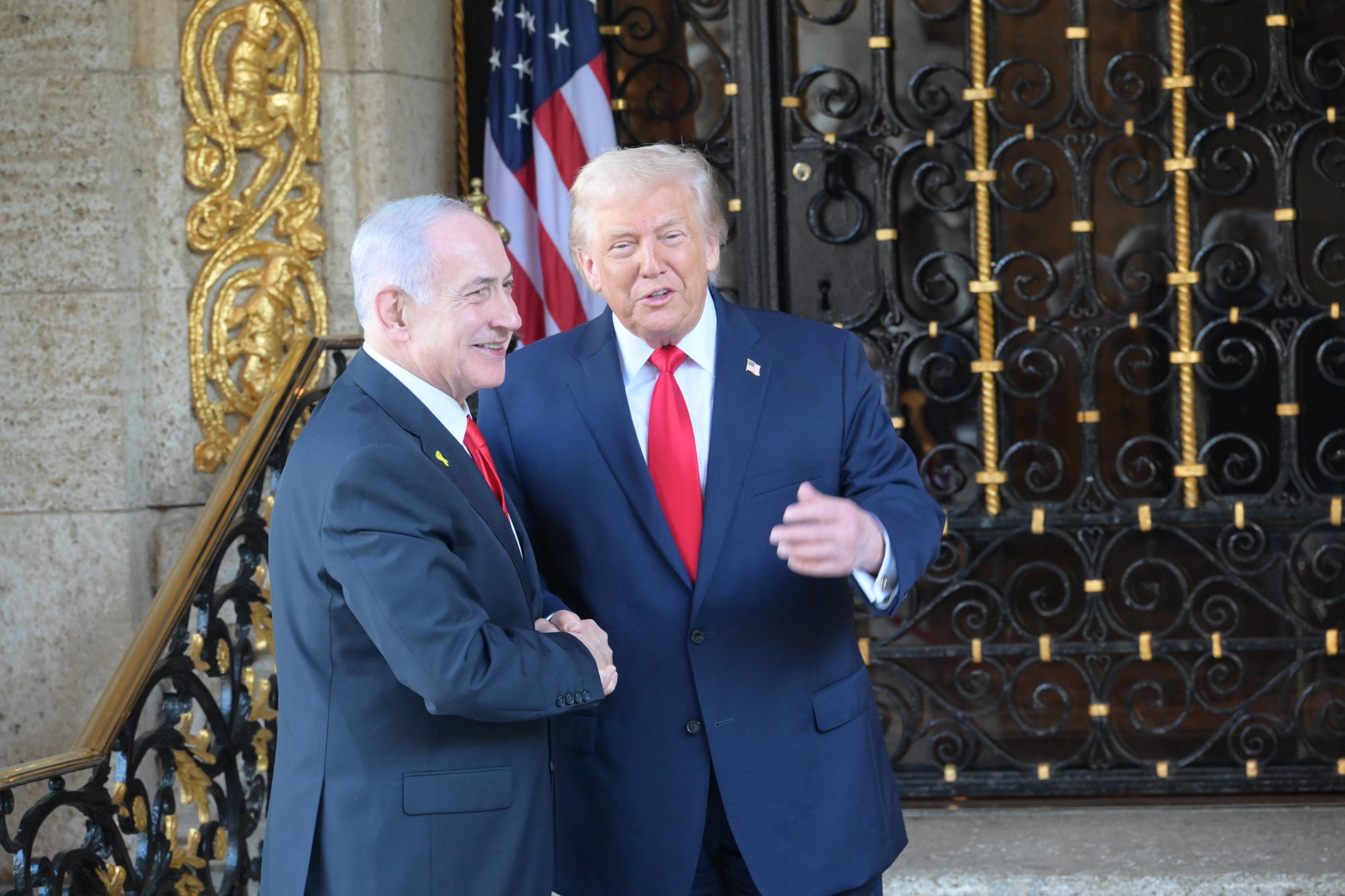
Experts believe that Netanyahu will likely urge Trump to be harsh in the negotiations and to keep a direct attack on Iran as an option should the talks fail to achieve results that please Tel Aviv.
As the recent talks concluded, the US announced a new wave of sanctions targeting Iran’s oil and petrochemical trade. The State Department said it sanctioned 15 entities, two individuals, and 14 vessels linked to Iran’s so-called “shadow fleet.”
“These targets have generated revenue that the regime uses to conduct its malign activities,” the department said. It accused Tehran of funding destabilising actions abroad while neglecting domestic welfare and infrastructure.
Washington warned that sanctions would continue as long as Iran attempts to evade restrictions to support what it described as “oppressive behaviour, terrorist activities and proxies.” The timing underscored the dual track of diplomacy and pressure shaping the current U.S. approach.
Anger in Iran
The talks also drew criticism inside Iran after reports that the US delegation included the commander of U.S. Central Command. Iranian lawmaker Ebrahim Rezaei said the presence of Admiral Brad Cooper violated Iranian law, designating American forces in the region as terrorists.
“One does not negotiate with terrorists,” Rezaei wrote on X, citing legislation passed in 2019 after the US designated the Islamic Revolutionary Guard Corps as a “foreign terrorist organisation.” Under that law, U.S. military forces in the region were labelled terrorists in response.
Iranian state media reported that the negotiations had concluded, with plans for further consultations. Despite internal criticism, officials confirmed that the process would continue, with Muscat expected to host another round if both sides agree to move forward.
Elsewhere, the Chief of Staff of the Iranian Armed Forces Major General Abdolrahim Mousavi issued the stark warning in a Saturday message to Brigadier General Bahman Behmard, the commander of the Islamic Republic of Iran Army Air Force, marking Air Force Day.
“The enemies of the Islamic Republic of Iran are well aware that any adventure or attempt to impose war against Islamic Iran will not only lead to their absolute and strategic defeat but will also cause the expansion of war and crisis throughout the region,” he said.
He added that any adventure or war against Iran will also impose “heavy and irreparable” costs on its supporters.
Speaking during a visit to Doha, Qatar, Foreign Minister Araghchi has warned that in the event of an open aggression by the United States, American military bases in West Asia will be targeted.
“If the US strikes Iran, we will attack American bases in the region as they are accessible targets,” Araghchi said on the sidelines of the 17th edition of the Al Jazeera Forum in the Qatari capital on Saturday.
Araghchi noted that the Iranian Armed Forces are fully prepared to respond decisively at any moment to any hostile action.