


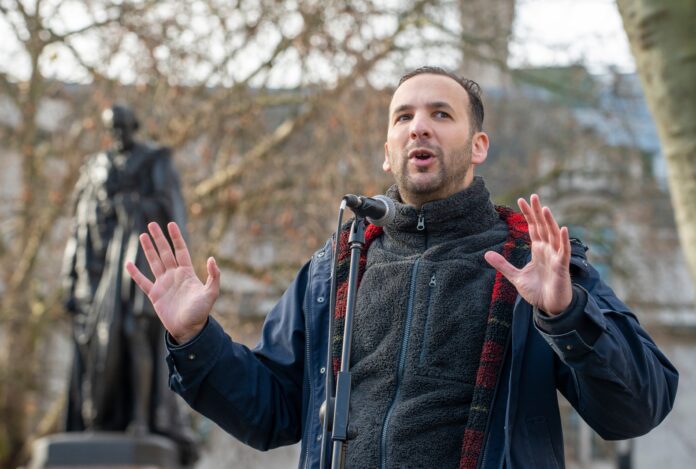
Green Party leader Zack Polanski has come under fire for appearing to oppose an anti-Zionism motion being pushed by pro-Palestine activists within his party, after speaking critically of the proposal as his campaign for the Holborn & St Pancras by-election gets underway.
The internal dispute centres on the motion “Zionism is Racism” due to be debated at the Green Party’s annual conference in Brighton next month.
The motion seeks to establish a formal Green Party position opposing Zionism as a racist ideology and supports the creation of “a single democratic Palestinian State in all of historic Palestine.” The motion also contains provisions concerning the treatment of Zionist members within the party, meaning that if Zionism is classified as a form of racism, it would be “treated as any other form of racism” under the party’s anti-racism machinery.
The row has now since escalated after Polanski publicly criticised the motion in comments now shared online.
Speaking at the Zeteo UK launch event on September 14, Polanski made clear he wants two amendments made before he would consider supporting the motion himself.
“The problem with the label Zionism, as with any label, is it means different things to different people. I think it’s pretty clear that if what you’re talking about as Zionism is what this Israeli government is carrying out in the name of Zionism, which is the genocide and displacement of the Palestinian people, then of course that’s quite obviously racist. It’s a genocide. I don’t think it’s a big jump to say it’s racist. But there are two problems I have with the motion, and if they’re amended then I think it would make a better motion.

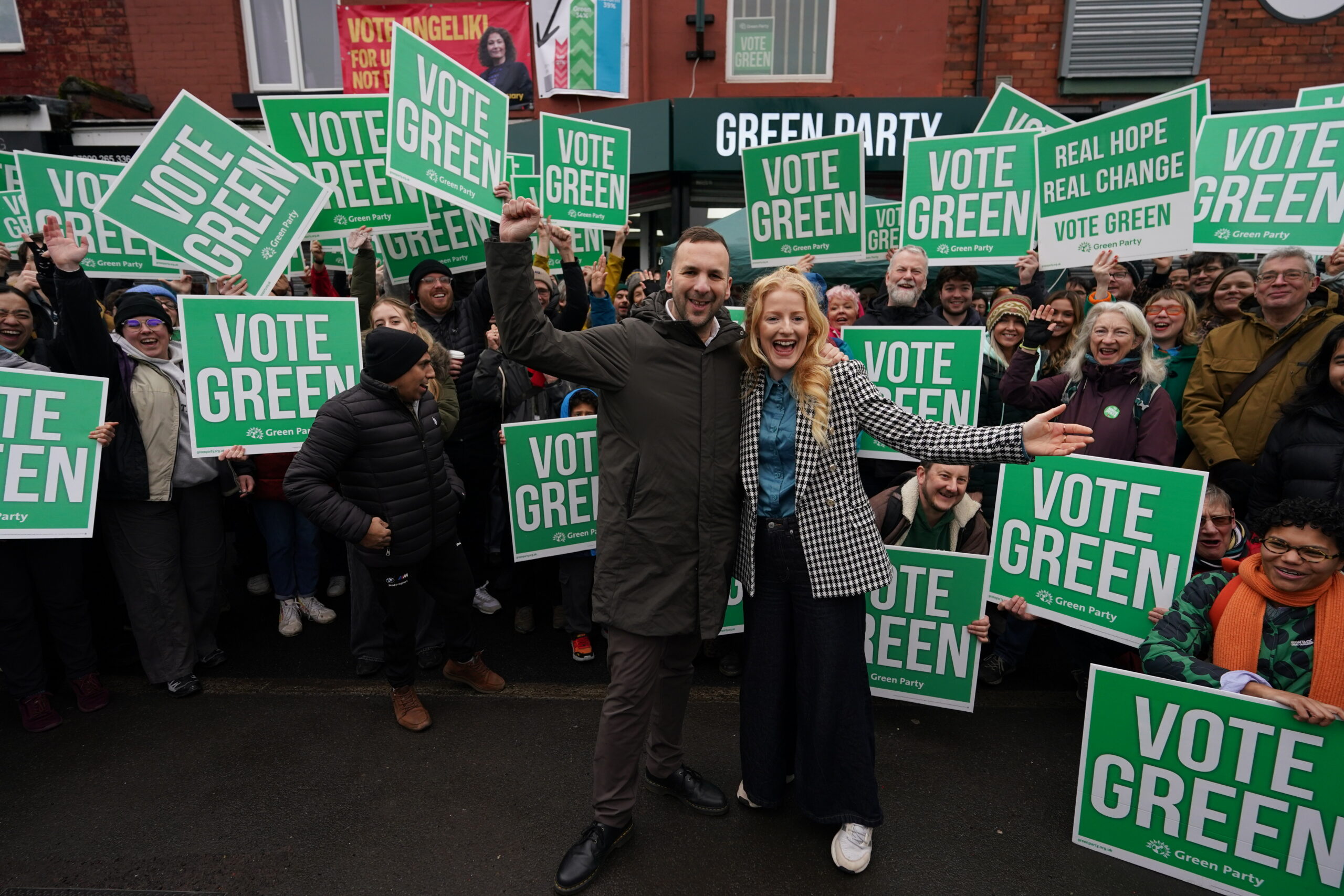
Polanski’s proposed changes have reportedly angered some of the party’s members. The Spectator recently reported that members of Green Party WhatsApp groups had described Polanski as a “genocide denier” and accused him of “struggling to overcome Zionist indoctrination.”
One Green Party council representative, Animah Kosai, reportedly said she was conflicted about even campaigning for Polanski because of his position on the motion.
Another activist allegedly questioned whether Polanski would have taken the same position during other genocides and described his proposed amendments as evidence that he was a “genocide denier”. These are the activists’ characterisations, rather than established findings about Polanski.
The dispute is particularly significant because Polanski is himself Jewish.
What does the motion say?
The motion was originally submitted for the party’s spring conference agenda. Its stated purpose is to define Zionism, recognise what its authors describe as its continuing harm to Palestinians, and establish that the Green Party opposes Zionism.
It describes Zionism as a political ideology connected to the creation and continuation of an ethnonationalist Jewish state in historic Palestine, and attributes the displacement and dispossession of Palestinians to what it calls “European settler-colonial systems of domination and oppression”.
The motion goes further than simply condemning the actions of the current Israeli government. It proposes a formal party position against Zionism itself and endorses a single democratic Palestinian state covering historic Palestine – a stance that is widely accepted and advocated across the Islamic world.
However, in the West, some argue that Zionism comes in different shades and that you can be a pro-Palestine “liberal or left-wing Zionist”, which is somehow better than extremist Zionism. The argument is popular among some Zionist circles and even among some who advocate for a Two-State Solution.
For Muslims and Palestinians, however, Zionism is often considered an imperialist and racist political ideology in its entirety. It is seen by many as responsible for the creation of Israel, which is regarded by its critics as a Western colonialist project in Muslim and Arab lands, established following Britain’s occupation of Palestine after the First World War and the defeat of the ruling Ottoman Empire.
Sensitive timing
The row comes just weeks before Polanski is due to contest the Holborn and St Pancras by-election on October 8, after being formally selected as the Green candidate earlier this month.
The Green Party’s annual conference is due to take place shortly before the by-election, meaning the controversial motion could place the party’s internal divisions over Israel and Palestine directly in the spotlight at a crucial moment for its leader.
The Labour Party suffered serious setbacks after it took a stauch pro-Israel stance under former leader Keir Starmer, sparking a war with pro-Palestine Muslim and left-wing activists who campaigned heavily against Labour in the general and local elections.
Since Andy Burham took over as party leader, Labour has attempted to repair its damaged image with a slightly harsher tone towards Israeli illegal settlement activity.

Polanski has reportedly sought to postpone the conference so that the party could concentrate resources on the by-election, but the proposal was rejected by the party’s executive committee. The Guardian reported that the motion was among those most likely to feature at the conference after coming top of members’ votes on policy motions.
The Guardian has previously reported on tensions within the party surrounding allegations of antisemitism, disciplinary action against members and disagreements over how criticism of Israel and Zionism should be distinguished from hostility towards Jewish people.
Polanski himself has adopted strongly critical language towards Israel but seems to believe that some forms of Zionism is acceptable.
In July, the Green leader accused the British government of participating in what he called the “genocide” in Gaza and called for an end to UK arms exports to Israel, sanctions against the Israeli government and international legal accountability.
Yet for some activists within his own party, this has not gone far enough.
The Green Party’s Jewish Greens group has argued that opposition to Israeli government policy and support for Palestinian rights can coexist with creating a party environment in which some Zionist identifying members feel welcome.
So Polanski now faces pressure from pro-Palestinian activists who want the Green Party to adopt the motion without substantial changes, while Jewish members and others have raised concerns about the consequences of defining Zionism as racism and potentially disciplining members who identify with it.
The result is an increasingly public battle over the key issue could see a collapse of interest in supporting the Greens among pro-Palestine left-wing voters and many Muslims who have been looking for a new political home amid an ongoing rebellion against Labour.