


The Archbishop of Canterbury has withdrawn an interfaith award given to prominent Pakistani Muslim scholar Hafiz Muhammad Tahir Mehmood Ashrafi after comments he made about Osama bin Laden in 2007 resurfaced.
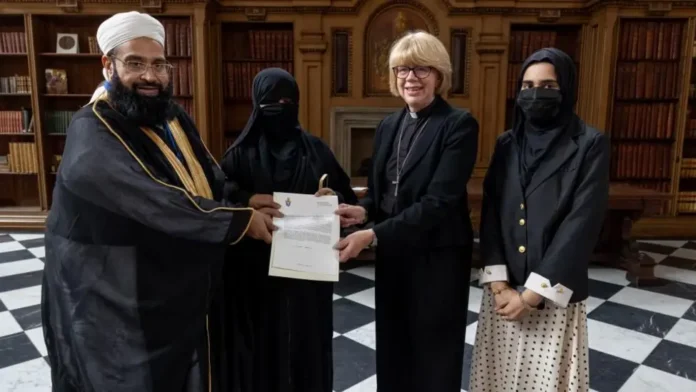
Maulana Ashrafi was presented with the Hubert Walter Award for Reconciliation and Interfaith Cooperation by Archbishop of Canterbury Dame Sarah Mullally at Lambeth Palace on Friday, September 11 – the 25th anniversary of the 9/11 attacks.
The award was presented in recognition of Ashrafi’s longstanding work supporting religious minorities in Pakistan, particularly the Christian community.
However, Lambeth Palace announced on Thursday that the award had been withdrawn after previous comments allegedly made by Ashrafi about Al Qaeda founder Osama Bin Laden came to light.
The controversy centres on comments Ashrafi made in 2007 while he was chairman of the Pakistan Ulema Council.

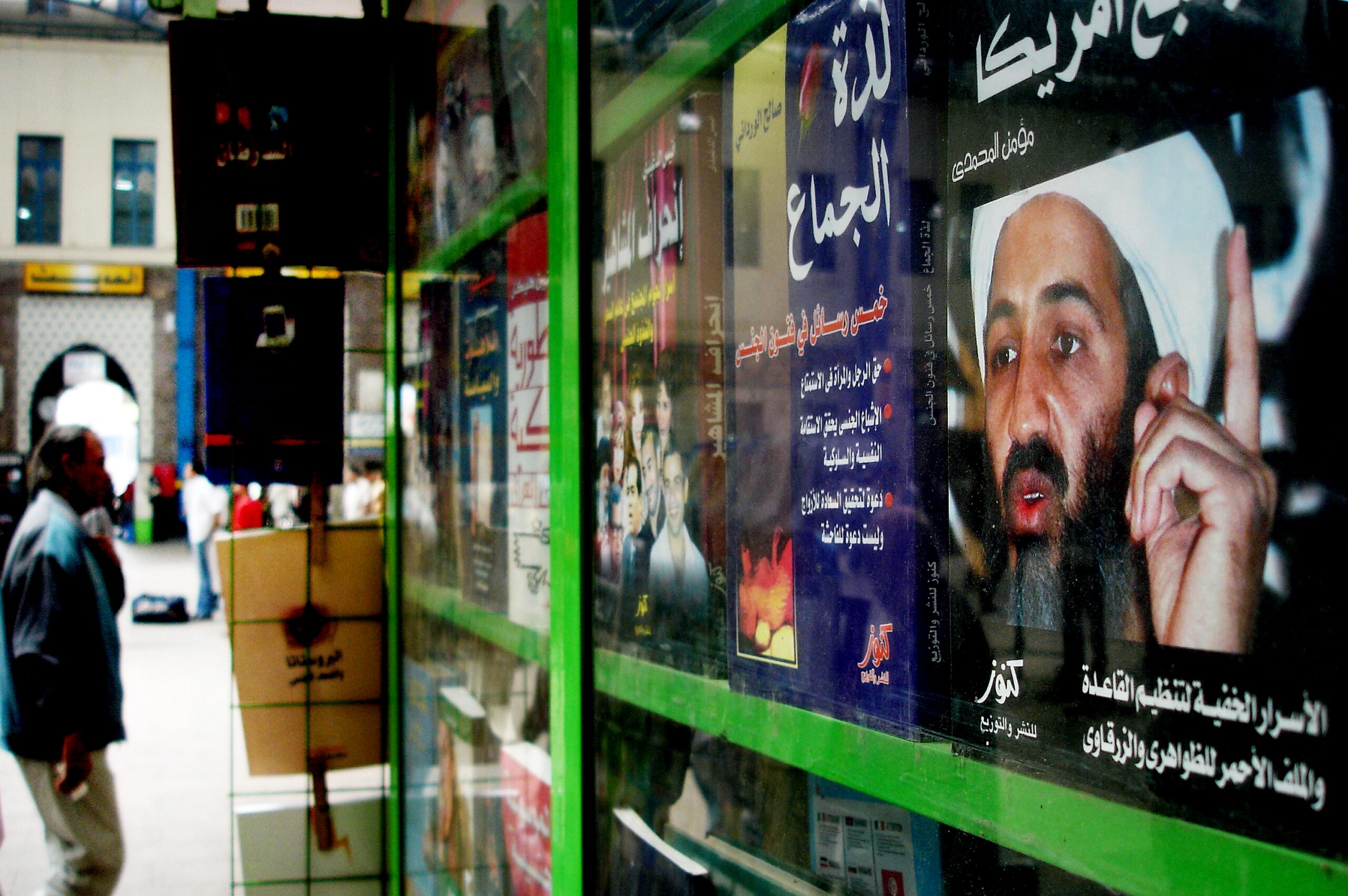
According to the BBC and contemporary reports, Ashrafi said that Osama bin Laden had been fighting for Islam against the Russians, Americans and British.
He also allegedly said he would give Bin Laden the title Saifullah, meaning “Sword of God”, in response to the British Government awarding the controversial British author Salman Rushdie, the writer of the blasphemous Satanic Verses novel, a knighthood.
Subscribe to our newsletter and stay updated on the latest news and updates from around the Muslim world!
The remarks resurfaced online days after Ashrafi received the award, prompting questions over why they had not been identified during the vetting process. Lambeth Palace said on Thursday that it had become aware of the previous comments and was urgently reviewing the matter before announcing that the award had been withdrawn.
Ashrafi has rejected the interpretation that his 2007 comments represented an endorsement of bin Laden.
Speaking to the BBC, he said the remarks had been “totally taken out of context” and described the subsequent criticism as an “unfair campaign” against him.
He explained that his comments were made against the backdrop of anger among many Muslims over the British Government’s decision to give Salman Rushdie a knighthood.
Ashrafi said he was making a comparison to illustrate the offence felt by Muslims over Rushdie being honoured, rather than actually endorsing Bin Laden or claiming that the title had genuinely been conferred upon him.
His spokesperson has made the position even clearer, saying that Ashrafi’s comments were being reported without their proper context.
The spokesperson said the comparison “was not an endorsement of Bin Laden”, but was made while explaining the hurt felt by many Muslims over Rushdie receiving a British honour.
They also said Ashrafi’s “longstanding record against terrorism and violent extremism” should be taken into account when assessing the 2007 remarks.
The Pakistan Ulema Council has also defended Ashrafi’s wider record, saying that under his leadership it has consistently opposed suicide bombings, terrorism, extremism and the killing of innocent people.
Lambeth Palace award
Lambeth Palace said the Hubert Walter Award was given to Ashrafi because of his longstanding support for religious minorities in Pakistan, particularly the country’s Christian community.
The Palace said this support was valued by many Christians in Pakistan, including members of the Anglican Church. Lambeth Palace has stressed that its commitment to interfaith dialogue remains unchanged.
In its statement announcing the withdrawal, the Palace said the award had been given because of Ashrafi’s longstanding support for religious minorities, particularly Christians.
It added that engagement across deeply held religious differences remains an important principle of interfaith cooperation.
“Last week the Hubert Walter Award for Reconciliation and Interfaith Cooperation was presented to Maulana Hafiz Muhammad Tahir Mehmood Ashrafi in a ceremony at Lambeth Palace. The award was given for Imam Ashrafi’s longstanding support for religious minorities in Pakistan, particularly the Christian community – support that is valued by many Christians in Pakistan including its Anglican Church.
“It is a longstanding principle of interfaith dialogue and co-operation that we must engage with one another across deeply-held differences, and that remains the case. However, previous comments made by Imam Ashrafi have come to light that have led Lambeth Palace to reconsider this award and we can now confirm today that the award has been withdrawn. We have contacted Imam Ashrafi to make him aware of this decision. We continue to pray for the Christian community in Pakistan, and for all those working for interfaith dialogue and harmony in Pakistan and around the world.”
Maulana Ashrafi’s spokesperson has also responded to criticism surrounding a photograph released by Lambeth Palace showing Ashrafi receiving the award alongside his wife. His wife and daughter were wearing Islamic garments covering their faces.
The spokesperson said their decision to observe hijab was their personal and religious right.
The spokesperson also said Ashrafi had dedicated the Hubert Walter Award to his wife and acknowledged her support and contribution throughout his work. Ashrafi was one of 27 recipients presented with a Lambeth Award during Dame Sarah Mullally’s first awards ceremony as Archbishop of Canterbury.