


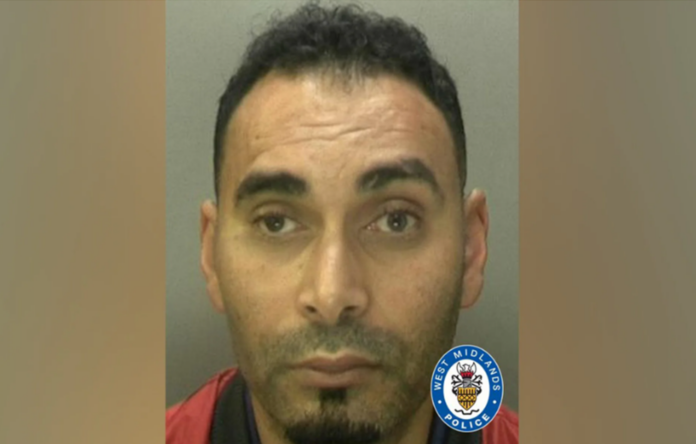
The Court of Appeal has upheld the convictions of a man who falsely claimed to be a qualified doctor while carrying out religious circumcisions on children and adults, but reduced his prison sentence from nine years to six.
Mohammad Alazawi’s appeal against conviction was dismissed by the court, which ruled that the procedures he performed fell outside the protection normally afforded to lawful religious circumcision because of the way they were carried out and his deception about his qualifications.
The case is expected to be closely studied by Britain’s Muslim and Jewish communities because it clarifies the legal framework surrounding non-therapeutic religious circumcision in England and Wales.
For Muslim families, the ruling confirms that the practice itself remains lawful. However, it also serves as a warning that practitioners who falsely claim medical qualifications or carry out procedures in a way that exposes patients to unnecessary risk may face serious criminal liability.
The decision is therefore expected to influence how religious circumcision services operate in the future, with greater emphasis on transparency, competence and patient safety while preserving the long-established legal recognition of the practice itself.

False claims to be a doctor
Alazawi operated a private circumcision service and represented himself as a medically qualified surgeon when he was not.
Subscribe to our newsletter and stay updated on the latest news and updates from around the Muslim world!
Following a nine-week trial at Southwark Crown Court, he was convicted of multiple offences including fraud by false representation, seven counts of wounding with intent under section 18 of the Offences Against the Person Act 1861, one count of assault occasioning actual bodily harm and offences under the Human Medicines Regulations relating to the unlawful use of prescription medicines.
The prosecution argued that parents and patients had consented to procedures on the false understanding that Alazawi was a qualified doctor and that the circumcisions were carried out in an unsafe manner that exposed patients to significant and unnecessary risks.
The offences took place between October 2016 and January 2022 during non-therapeutic male circumcisions carried out at private addresses across the UK, including Birmingham.
The investigation began after a child suffered complications following a procedure in Birmingham, prompting a seven-year investigation by West Midlands Police that identified victims from across the country.
The courts found that he caused unlawful harm to a number of patients. Several victims suffered injuries and complications, and the investigation began after a young boy required emergency hospital treatment following a circumcision in Birmingham.
Evidence at trial showed that some patients experienced excessive bleeding, infections, poor cosmetic outcomes and other complications.
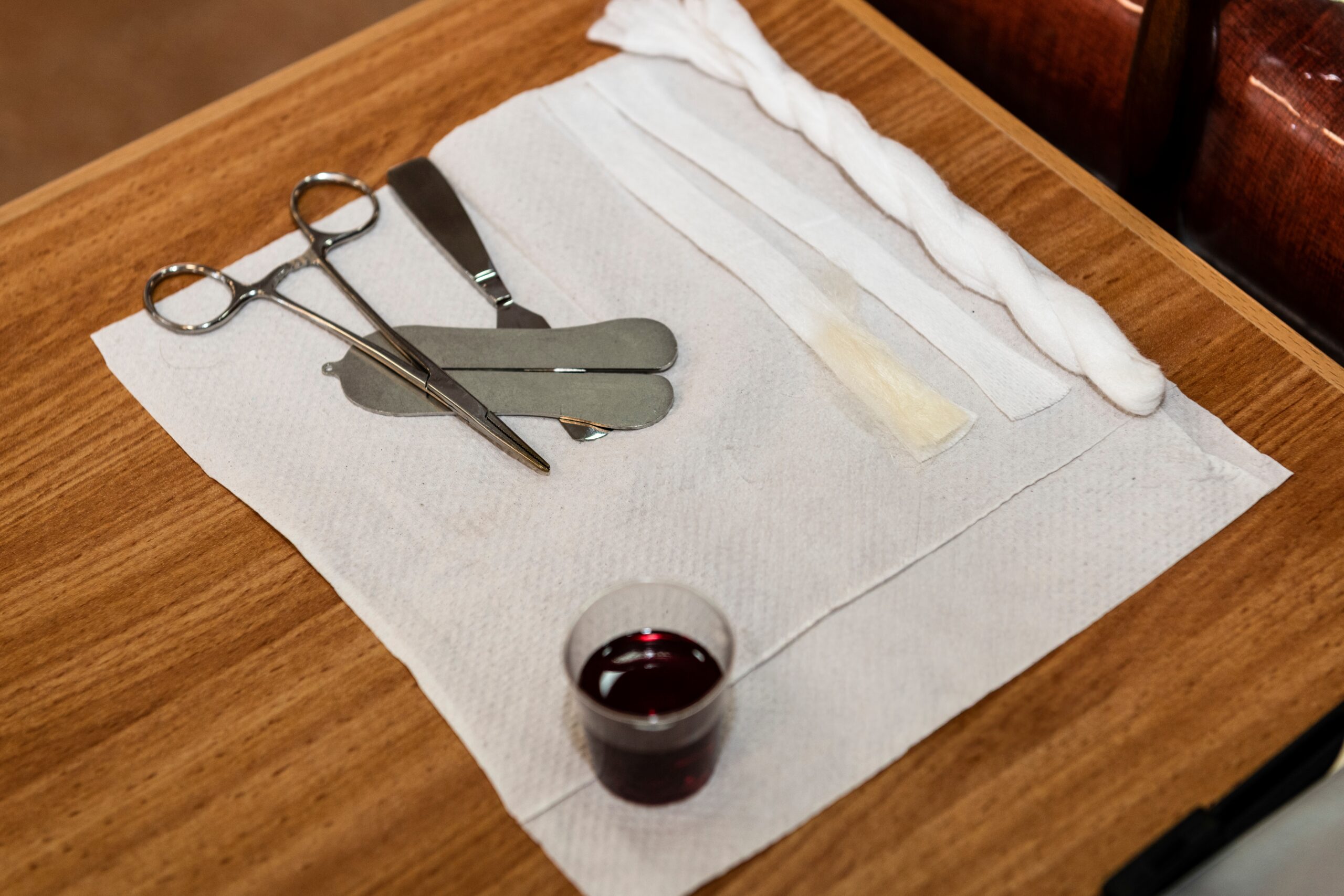
Religious circumcision remains lawful
A key aspect of the appeal centred on whether non-medical religious circumcision remains lawful under English law.
The Court emphatically did not outlaw the practice. Instead, Lady Justice May, Mr Justice Saini and His Honour Judge Picton reaffirmed that religious male circumcision continues to be recognised as a lawful exception to the general criminal prohibition on intentionally inflicting bodily harm.
However, the judges stressed that the exception is not unlimited.
The Court ruled that consent alone is insufficient where procedures are performed by someone who deceives families about their qualifications or whose conduct falls well below the standard expected of a competent and careful practitioner.
In particular, the Court highlighted Alazawi’s administration of local anaesthetic despite lacking the appropriate medical qualifications, finding that no competent non-medical circumciser should have undertaken such a procedure.
Important clarification for Muslim communities
The judgment is likely to reassure many Muslim families who feared the appeal could undermine the legality of religious circumcision itself.
Rather than questioning the Islamic or Jewish practice, the Court distinguished between lawful religious circumcision carried out by competent practitioners and criminal conduct involving fraud, deception and unsafe procedures.
The judges acknowledged that English law has long recognised religious circumcision as lawful, despite the absence of a statutory regulatory framework governing non-medical practitioners.
The decision therefore reinforces the importance of parents ensuring that anyone carrying out circumcisions is appropriately trained, competent and transparent about their qualifications.
Sentence reduced
Although the Court rejected every challenge to Alazawi’s convictions, it agreed that errors had been made during sentencing.
The original trial judge imposed consecutive sentences that produced a total prison term of nine years.
The Court of Appeal concluded this amounted to an element of double counting because the fraud and violence offences substantially overlapped.
It also expressed concern that the sentencing judge appeared to have been influenced by the wider number of circumcisions Alazawi had performed over the years rather than focusing solely on the offences before the court.
As a result, the Court substituted a total sentence of six years’ imprisonment while leaving every conviction intact.