




The National Security (State Threats) Act, passed on July 8, is facing fierce criticism after dramatically expanding the definition of what constitutes a terrorist offence – a change that could see journalists, aid workers and researchers sentenced to up to 14 years in prison for routine professional activity.
As Keir Starmer prepares to leave office, the UK government has rushed through new legislation that could imprison what they deem as “terrorists” for over a decade simply for obtaining information from groups designated as “hostile to the British state.”
Under the new National Security (State Threats) Bill, it is a criminal offence to receive material benefits from proscribed organisations.
Historically, a material benefit referred to tangible assets such as money or weapons. The government has now expanded that definition to categorise information as a standalone benefit.
Under the new framework, obtaining, accepting or retaining data from a source linked to a designated threat – even with no financial exchange – can result in a terrorism prosecution.

The bill also bypasses standard constitutional checks, granting the Home Secretary Shabana Mahmood the unilateral power to designate any group as a state threat without a single vote in Parliament.
This would place those groups on the same legal footing as proscribed terrorist organisations.
Subscribe to our newsletter and stay updated on the latest news and updates from around the Muslim world!
IRGC banned
The bill’s first target was Iran’s Islamic Revolutionary Guard Corps (IRGC).
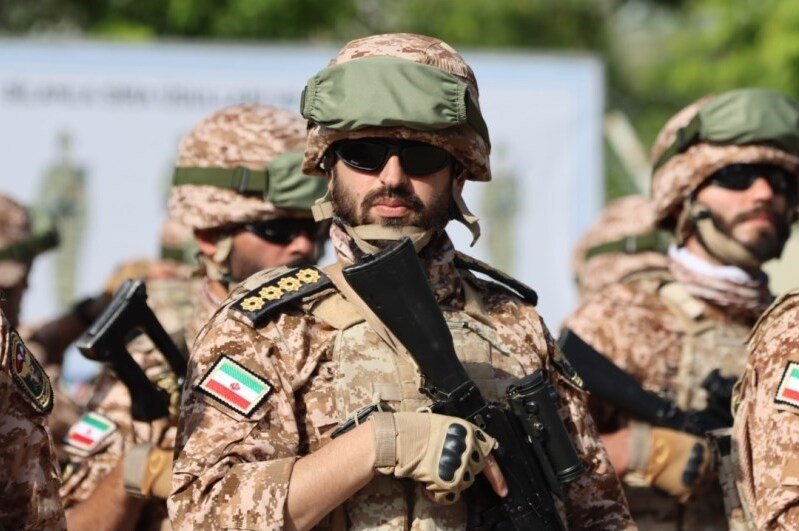
Legal observers have raised concerns that the legislation could make it illegal to conduct interviews with Iranian state broadcasters or to hold discussions with Iranian nuclear scientists.
The proscription of the IRGC has been a longstanding demand of the Israel lobby in the UK, and the Board of Deputies of British Jews has publicly come out in support of the legislation.
Implications for journalists
For foreign correspondents and investigative journalists, the implications are severe.
Legitimate news-gathering operations that involve contact with designated groups could fall within the orbit of terrorism prosecutions, forcing journalists to weigh the public’s right to know against the prospect of fourteen and a half years in prison.
Critics argue this will effectively kill off reporting that contradicts the government’s narrative on sensitive geopolitical matters.
Humanitarian aid workers face an equally stark situation. Charities operating in conflict zones routinely interact with local groups – including those designated as terrorist organisations such as Hamas or Hezbollah – as a matter of operational necessity, both to deliver aid and to ensure staff safety.
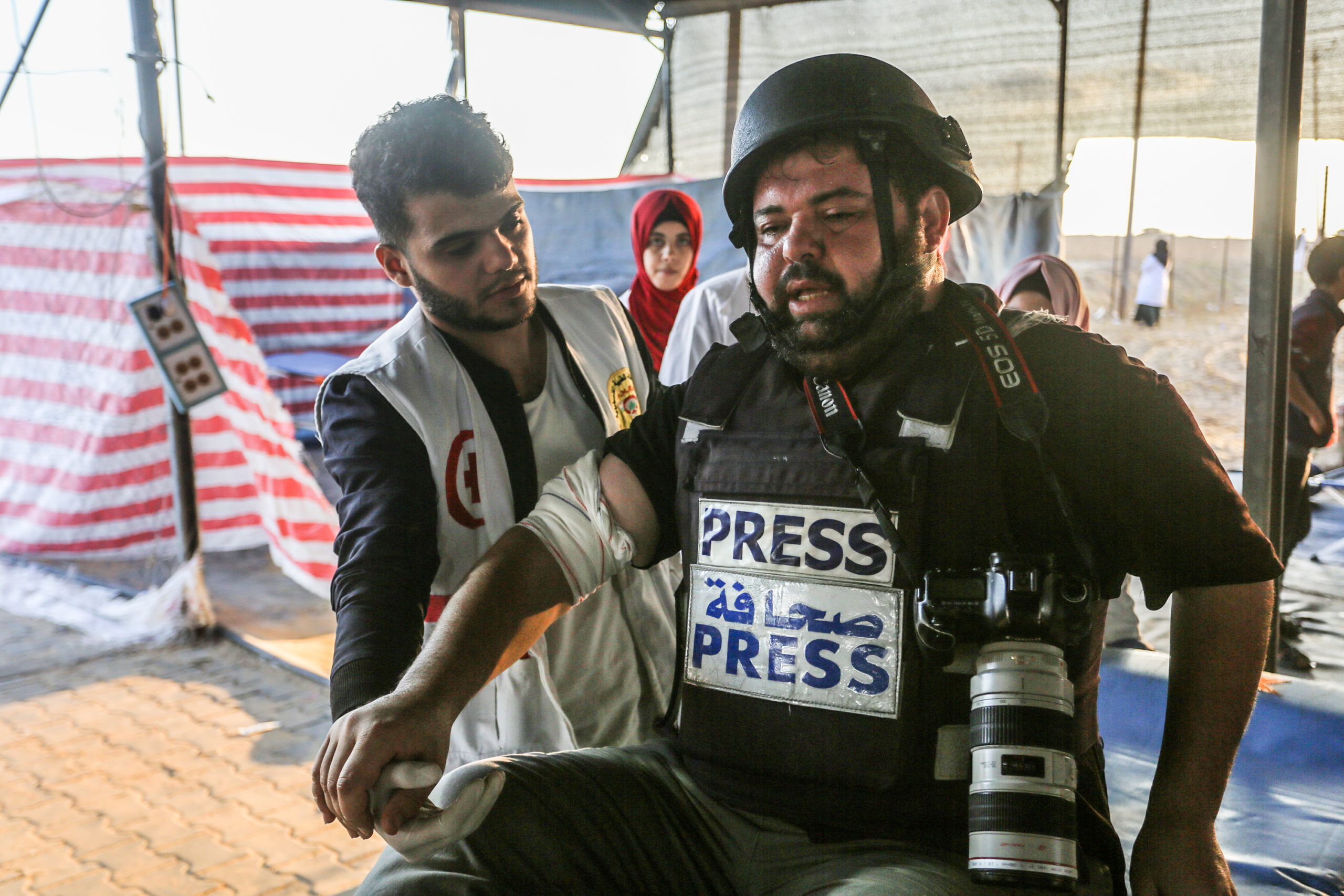
Under this legislation, any kind of logistical engagement is reclassified as assisting a “terrorist” organisation, leaving charities with a choice between halting life-saving operations or risking 14 years in prison.
The independent reviewer of state threat legislation, Jonathan Hall KC, requested that the government include a reasonable excuse defence in the bill to protect legitimate workers from accidental prosecution.
The government refused. Instead, the bill applies a standard based on whether an individual “ought reasonably to have known” that a body was designated – a threshold that critics say is unworkable in practice.
In conflict zones where group affiliations are often unclear or shifting, ignorance of a group’s legal status is no longer a defence, effectively placing a burden of guilty until proven innocent on journalists and aid workers operating in complex environments.
The legislation has drawn widespread concern from press freedom advocates, legal experts and humanitarian organisations, who argue it represents a significant erosion of foundational democratic principles – including freedom of the press, the right to dissent, and basic humanitarian protections – in favour of an expanding state security apparatus.
Announcing the new legislation in April, Keir Starmer, who promised to fast-track the bill, said: “We will never let Britain be a playground for states who want to spread fear, division and violence on our streets.”
“We have already taken tough action against the Iranian regime and those linked to it, and against Russian operatives and networks targeting our country.”
“These new powers will make it easier to prosecute and lock up anyone carrying out their dirty work here in Britain.”