


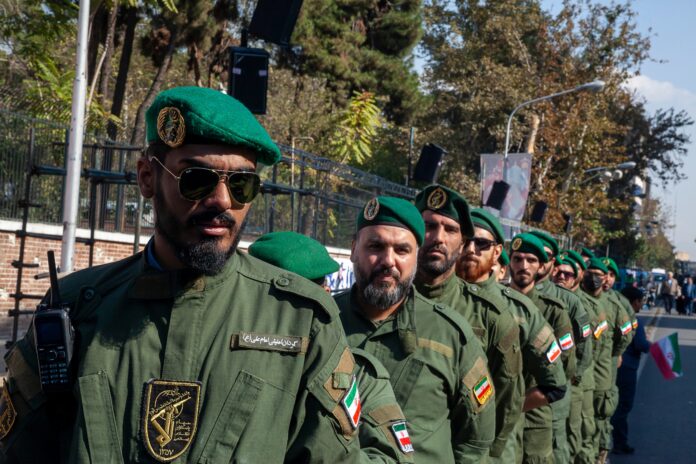
The British government has announced plans to outlaw Iran’s Islamic Revolutionary Guard Corps (IRGC), making it the first organisation designated under new national security legislation designed to combat hostile state-backed activity in the UK.
Home Secretary Shabana Mahmood issued a written ministerial statement on Monday confirming that she had decided to designate the IRGC under powers contained in the recently enacted National Security (State Threats) Act.
Mahmood said she was satisfied that the IRGC “is, or has been, involved in foreign power threat activity” and that the designation was necessary to protect Britain’s national security.
Once approved by Parliament later this week, it will become a criminal offence to belong to the organisation, invite support for it, arrange meetings on its behalf or display symbols in circumstances that suggest support. Those convicted could face prison sentences of up to 14 years.
The government also announced the designation of the Islamic Movement of Companions of the Right (IMCR), which ministers allege was behind a series of attacks targeting Jewish community organisations and Persian-language media in Britain, as well as a Russian military intelligence-linked group.

Prime Minister Sir Keir Starmer defended the move, saying Britain would not tolerate foreign states using proxy organisations to intimidate or attack people on British soil.
“These new powers will make it easier to prosecute and lock up anyone carrying out their dirty work here in Britain,” Starmer said in a government statement announcing the measures. He added that the government would not allow hostile foreign actors to spread fear and violence in the UK.
Subscribe to our newsletter and stay updated on the latest news and updates from around the Muslim world!
The announcement marks a significant change in British policy. Successive Conservative and Labour governments had previously resisted proscribing the IRGC under terrorism legislation, despite repeated calls from Zionist MPs and Israel lobby groups, arguing that the organisation is an official branch of the Iranian state rather than a non-state militant group.
Instead, the government has created a new legal mechanism allowing state-linked organisations to be banned under national security legislation while imposing criminal penalties broadly comparable to those applying to proscribed terrorist organisations.
The government says the designation follows a growing number of alleged Iran-linked operations inside Britain.
Security officials have repeatedly claimed that Iranian intelligence services and networks linked to the IRGC have been involved in plots targeting dissidents, journalists and Jewish organisations in the UK.
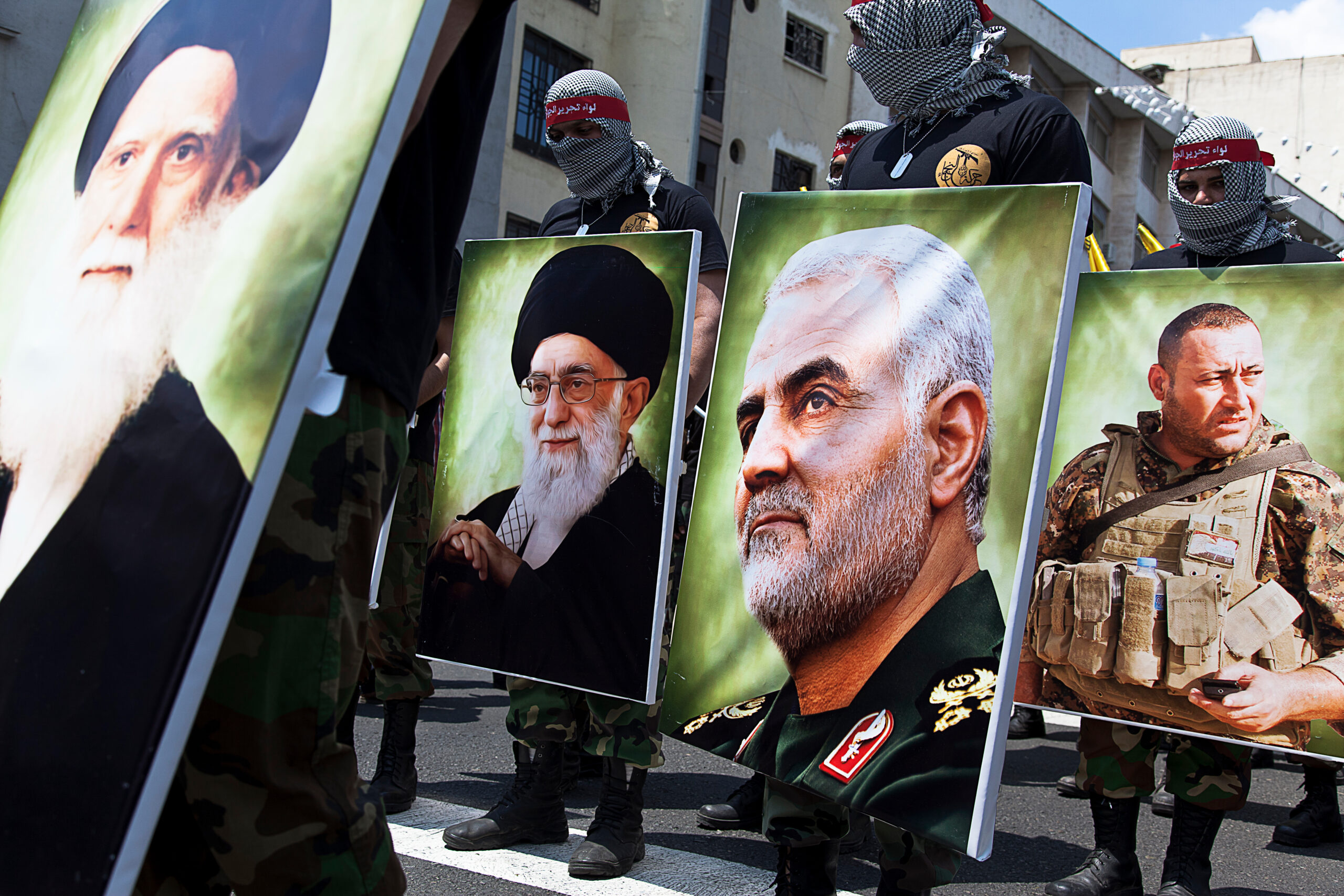
What is the IRGC?
The Islamic Revolutionary Guard Corps was established shortly after Iran’s 1979 Islamic Revolution as a force tasked with protecting the country’s new Islamic political system.
Separate from Iran’s regular armed forces, the IRGC has grown into one of the country’s most powerful institutions. It controls significant military, intelligence and economic assets and oversees the elite Quds Force, which is responsible for Iran’s overseas military operations and support for allied armed groups across the Middle East.
The IRGC has also played a major domestic role inside Iran, including cracking down on anti-regime elements and protecting the country’s political leadership.
Western governments have long accused the IRGC of backing organisations including Hezbollah in Lebanon, Hamas and Palestinian Islamic Jihad in Palestine, as well as various armed groups in Iraq, Syria and Yemen.
Tehran rejects accusations that it sponsors terrorism, arguing that it supports what it describes as legitimate resistance movements against Israeli occupation and Western intervention.
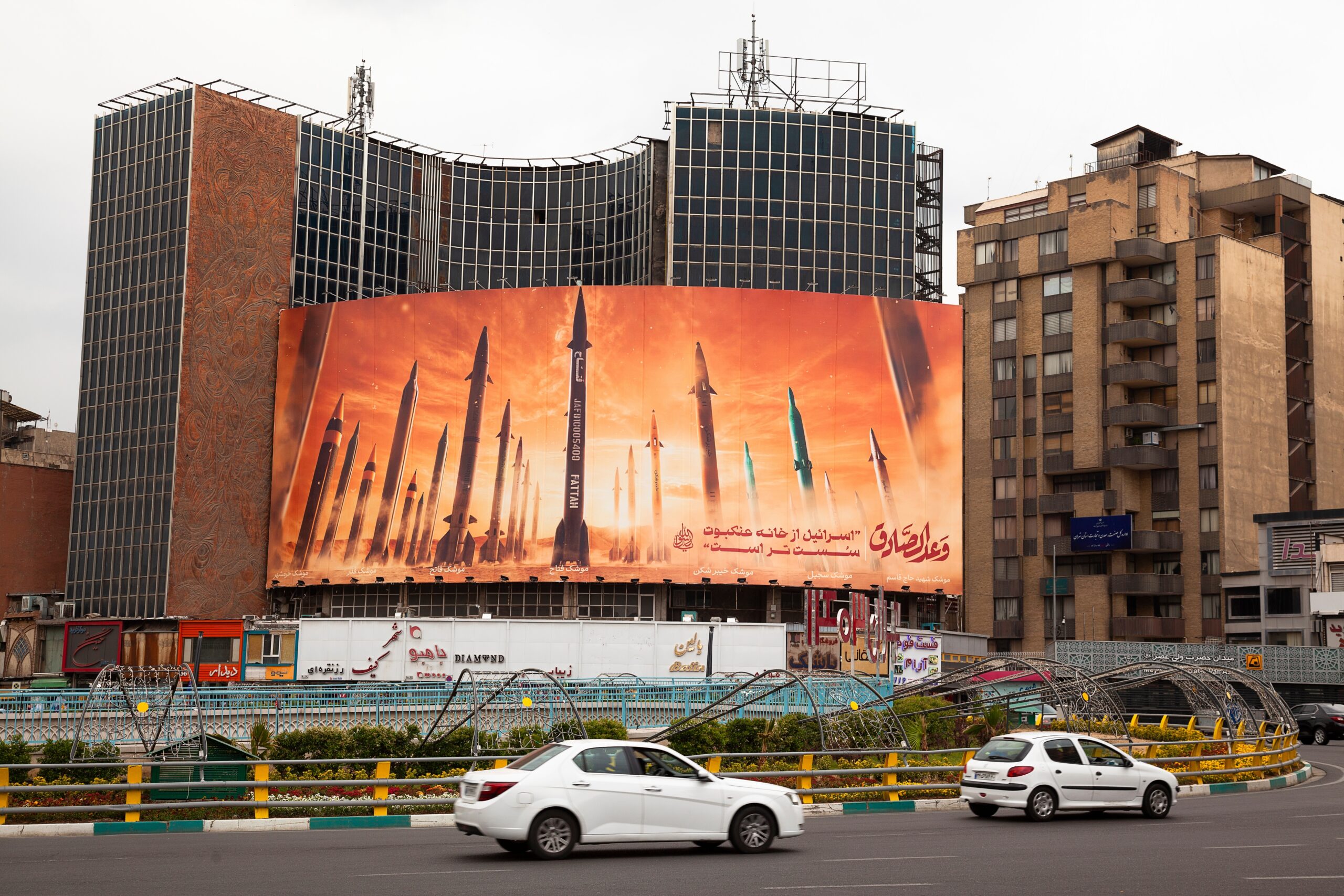
Iranian reaction
At the time of publication there had been no detailed official response from the Iranian government to Monday’s announcement.
But Tehran has consistently rejected previous Western allegations linking the IRGC to attacks or assassination plots abroad and has described attempts to designate the organisation as politically motivated.
Iranian officials have previously warned that treating the IRGC as a terrorist organisation would further damage already strained diplomatic relations with Britain and other Western countries.
Implications for British Muslim and Shia organisations?
The designation is also likely to raise serious questions for British Muslim organisations, particularly Shia mosques, charities, religious institutions, academics and campaign groups that organise events or commentary concerning Iran and the wider Middle East.
Shia community organisations will need to examine whether visiting clerics, conference speakers, donors or partner institutions have formal or informal connections to the IRGC. Particular scrutiny may fall on financial transfers, sponsored travel, honorariums, joint events and the use of venues or platforms to promote the organisation’s objectives.
Organisations involved in Palestine solidarity work may face particular uncertainty because the IRGC has supported Palestinian armed factions and other members of the “Axis of Resistance”. Campaigners will need to ensure that political advocacy concerning Palestine, Lebanon or regional resistance movements is not presented in a way that could be interpreted as inviting support for the IRGC itself.
There is also a risk of the measure being used politically to cast suspicion on Britain’s wider Shia population.
Community leaders are therefore likely to argue that law-enforcement agencies and politicians must avoid conflating Shia religious identity, opposition to Israel or criticism of British foreign policy with support for a designated organisation.