


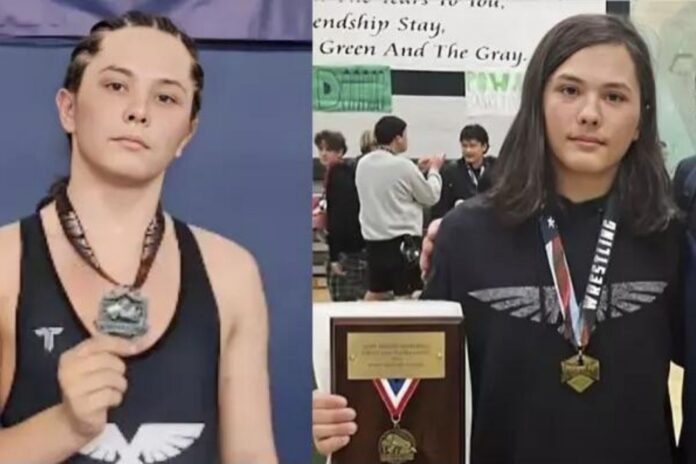
The terror attack at a mosque in San Diego, California, that killed three people was allegedly carried out by two teenagers who later died from self-inflicted gunshot wounds — but who were they?
Cain Clark, 17, and Caleb Vasquez, 18, are said to have opened fire at a mosque in San Diego on Monday, with authorities saying the attack is being investigated as a “possible hate crime.”
San Diego Police Chief Scott Wahl told reporters that investigators are still working to determine the motives behind the shooting, adding that more details are expected to emerge in the coming days.
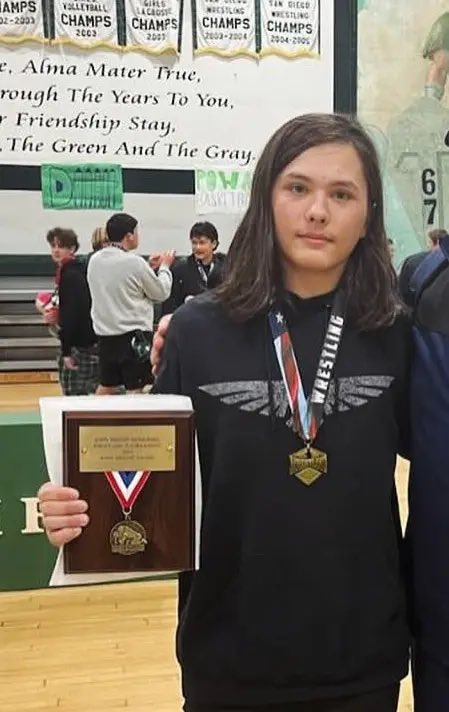
Police have not officially named either suspect, but Chief Wahl told local reporters that the suspects were aged 17 and 18, with one of the suspects linked to Madison High School, about one mile away from the Islamic Center of San Diego — the site of the shooting.
Multiple media reports have identified the two suspects as Cain Clark, 17, and Caleb Vazquez, 18.

Police said that the mother of one of the suspects who had contacted authorities earlier in the day told investigators that the pair had been seen dressed in camouflage clothing, travelling together in a vehicle that had been reported missing.
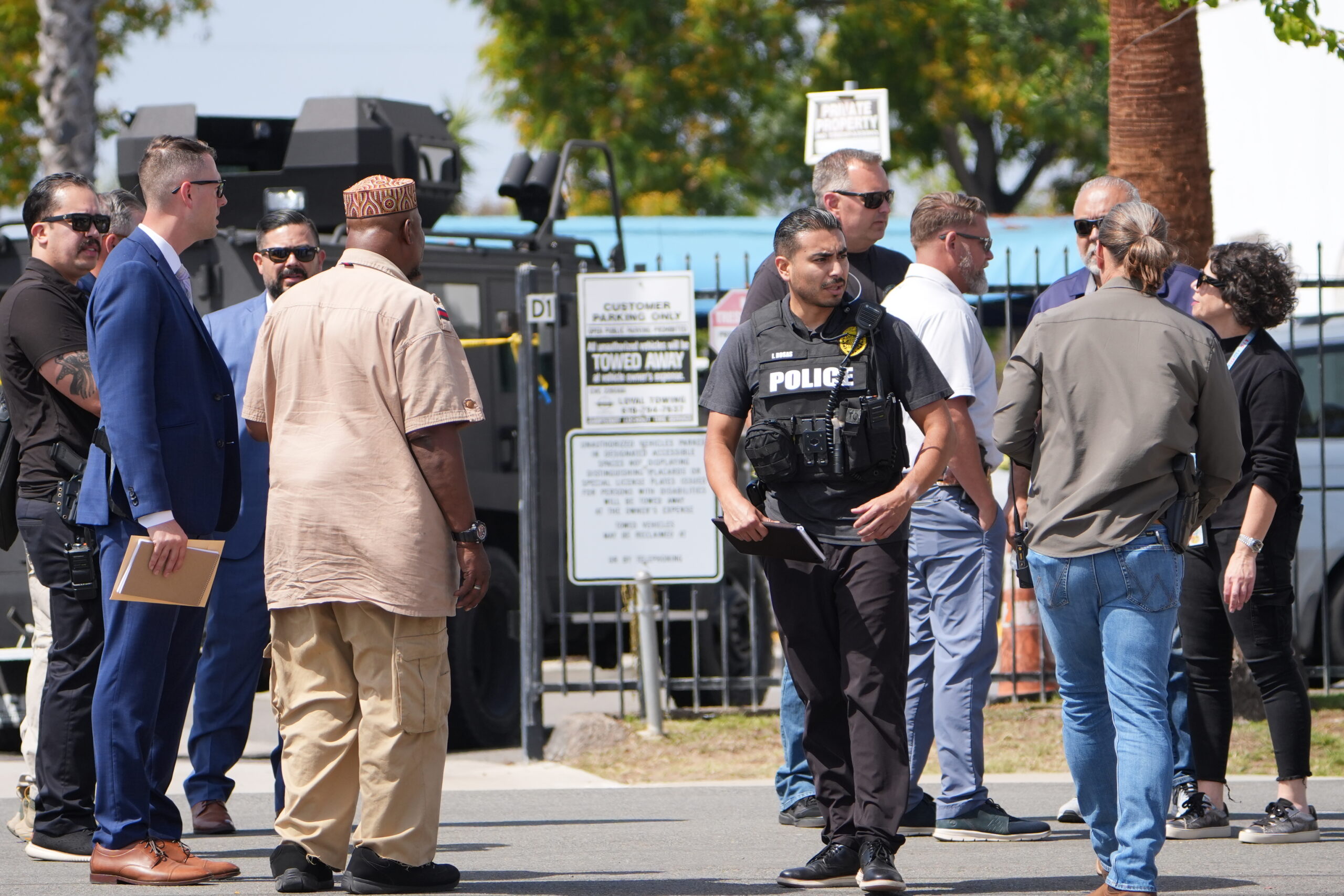
NBC News reports claim that Clark had attended Madison High School virtually and was expected to graduate in May, citing information provided by an anonymous school district official.
Subscribe to our newsletter and stay updated on the latest news and updates from around the Muslim world!
Clark’s grandfather, David Clark, 78, spoke to the New York Post, saying: “We’re very sorry for what happened. We know as much as you do. It’s a shock.”
Information on Vazquez has yet to emerge.
Both suspects were found dead inside a car a few blocks away from the Islamic Center after police said they opened fire on the vehicle.
The mother had also found a note left behind by one of the shooters, but police did not disclose its contents.
Hate rhetoric
With the investigation currently ongoing, Wahl said: “At this point, there was definitely hate rhetoric that was involved. I’ll leave it at that for now.”
Police are reportedly examining potential Islamophobic notes that were found in the car where the suspects were discovered dead.
The New York Post reported that Clark was a “standout wrestler”, using information from the wrestling team’s Facebook page, which has since been deleted or made private.
Information from the investigation reveals that a gas can with the letters “SS” was found near the vehicle, according to the Post.
The sticker on the can appears to reference Nazi Germany’s Schutzstaffel, a paramilitary group under Hitler responsible for enforcing violence and carrying out crimes against Jews during the Holocaust.
Events of the attack
Police were first called to the mosque at 11:43 local time (18:43 GMT) and “observed what appeared to be three deceased victims out front”, Wahl said.
About two hours before the attack, the mother of one of the suspects had called police to report that her son had left home with several of her guns and her car.
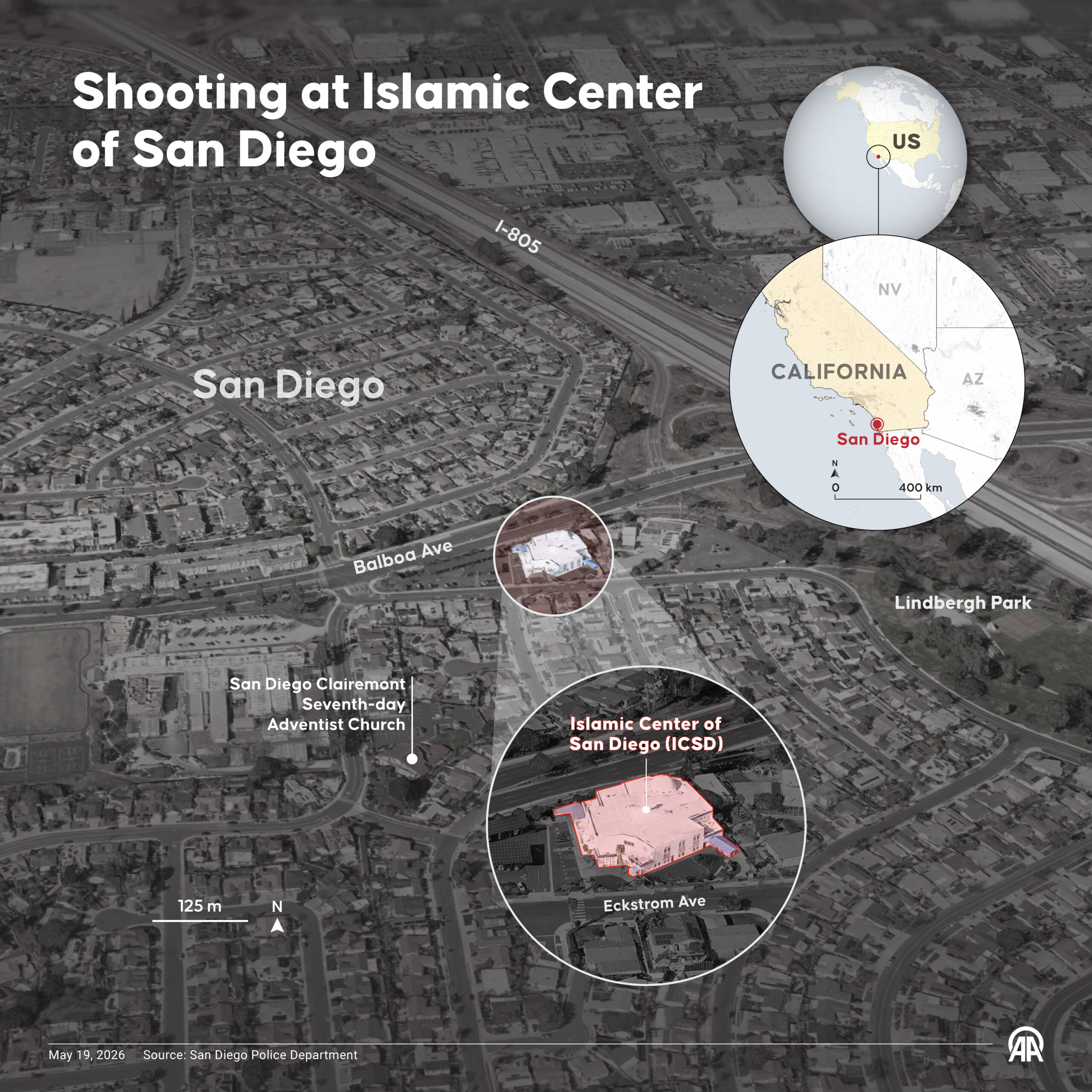
When the shooting took place, officers were still speaking to the mother and were only a few blocks away from the mosque.
When officers arrived at the scene and found three victims outside the building, they rushed inside and began following active shooter protocols.
Police then received a report of a second shooting nearby, where Clark and Vazquez had apparently shot at a landscaper who was uninjured, police said.
When police arrived at the scene, which was only a few blocks away from the mosque, they discovered that both shooters had died from self-inflicted gunshot wounds.
Children were inside the complex where the mosque is located during the incident, which also houses the Al Rashid School, where students are taught Qur’an, Arabic and other Islamic studies.
The mosque is a key communal centre for Muslims in the area, which also includes many Middle Eastern restaurants and markets.
Speaking soon after the shooting, the Imam at the Islamic Center, Taha Hassane, condemned the attack.
“It is extremely outrageous to target a place of worship,” he said. “People come to the Islamic Center to pray, to celebrate, to learn — not only Muslims, but we have people from all walks of life.”